
When Rashad al-Alimi went on television on Sunday, Yemen’s president declared a new campaign for territory held by the Houthis. “Today, I announce the start of military operations to retake the remaining territory of the republic and extend the authority of the state and its institutions across the entire national territory,” he said.
On Monday, Saudi Arabia followed that declaration with its heaviest air campaign against Houthi forces in four years. More than 100 Saudi warplanes bombed rebel positions, as Yemeni government forces retook much of the Red Sea coastal territory seized by the Houthis last month.
The strikes ended a four-year lull in major Saudi air operations in Yemen. They also bring Saudi Arabia and Iran closer to a direct confrontation, after an offensive in which the Houthis had help from Iran’s Revolutionary Guards Corps (IRGC), Hezbollah and embedded Iranian military advisers.
A UN-mediated truce between the Iran-backed Houthis and the Saudi-led Coalition to Support Legitimacy in Yemen had held from 2022 until September 2026. Tensions began to rise in July over Houthi grievances about the Coalition’s years-long air and sea blockade of Houthi territory.
Between mid-July and September, the Houthis imposed a maritime embargo on Saudi Arabia. They struck ten ships, sank one and killed and injured a total of 16 seafarers and rescuers.
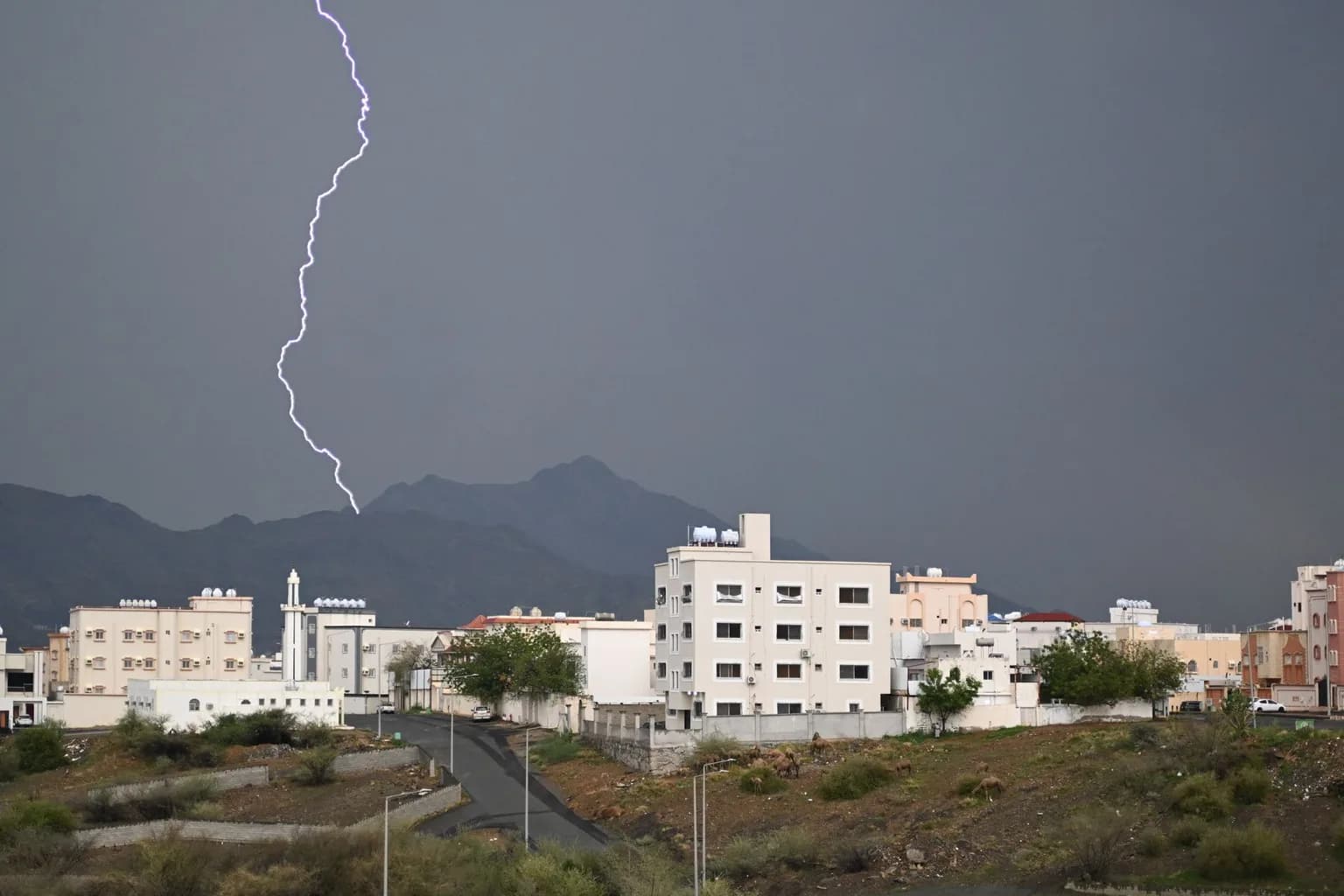
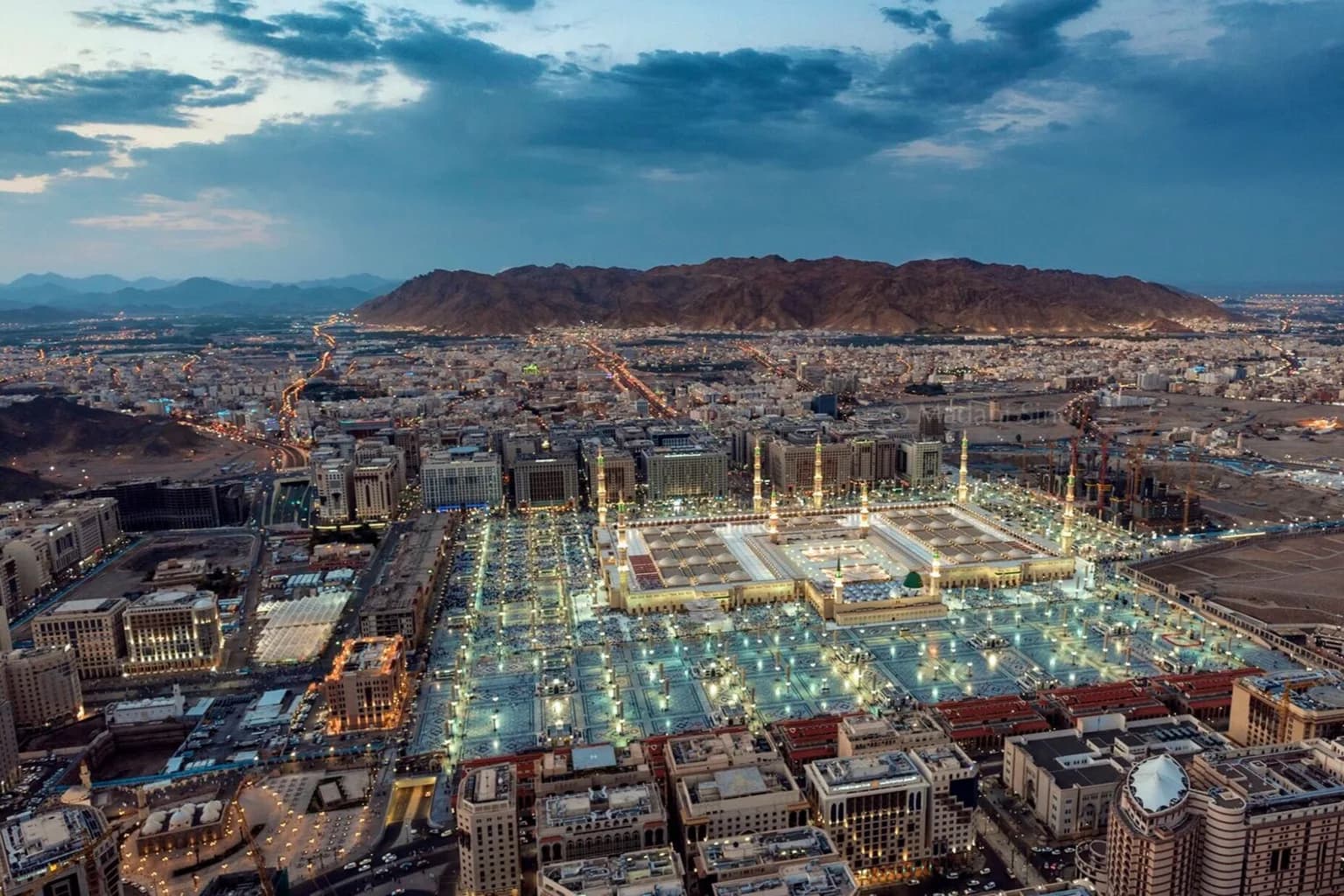
Houthi attacks on Saudi Arabia rose by 333% between July and September. In July they targeted the southern Jizan and Abha regions, and by September had reached Taif, Mecca and Riyadh.
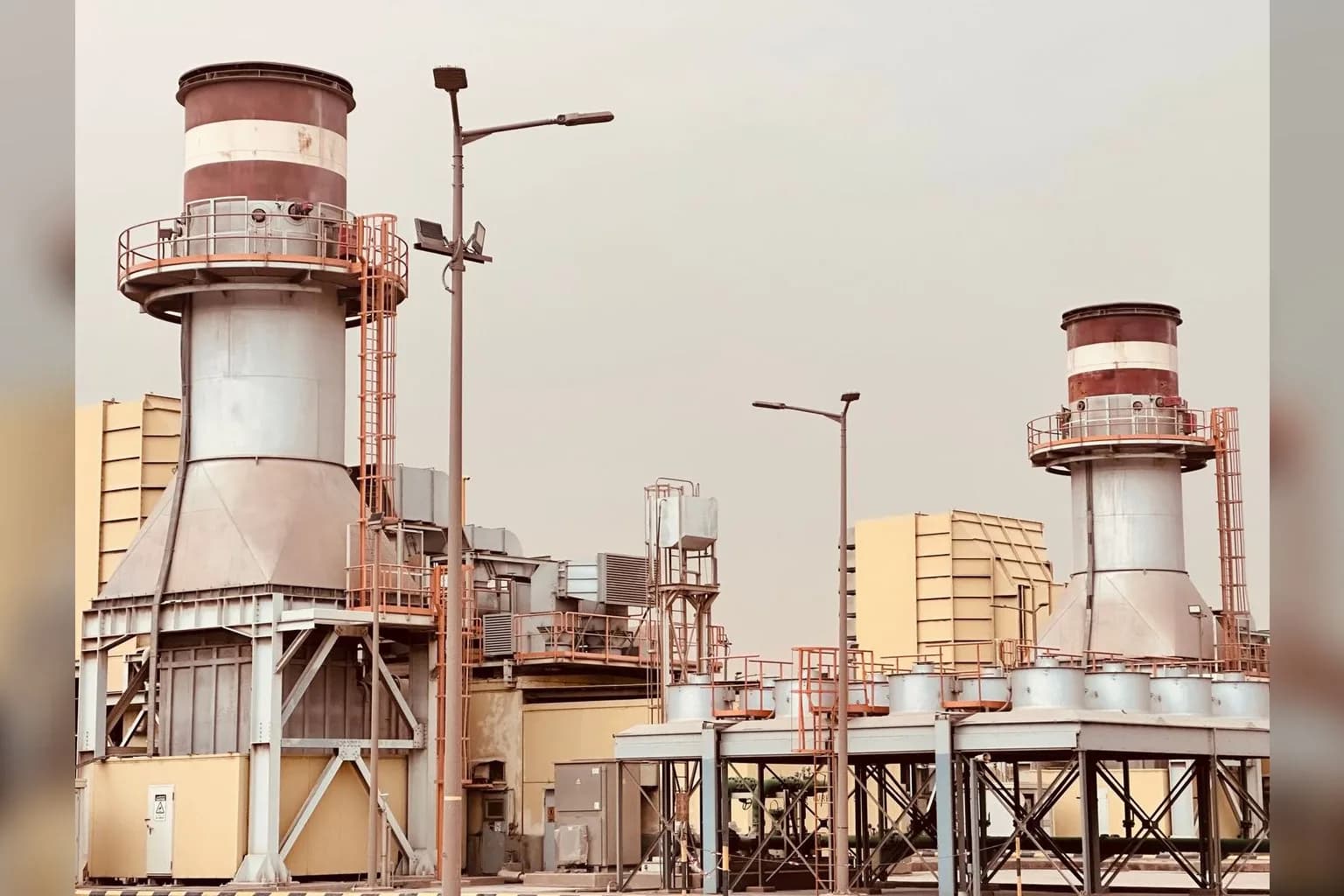
On 8 September, the Houthis launched missile and drone attacks at several locations in southern Saudi Arabia, reportedly injuring 73 people and damaging energy facilities. Yahya Saree, the Houthi military spokesman, said the group had also attacked Aramco sites in Riyadh and the Khurais area. “Both operations successfully achieved their objectives. The strikes were precise, causing large fires at the targeted sites,” he said.
The following day, Iraq-based drone strikes damaged three pumping stations on the East–West Pipeline, temporarily disrupting its flow. The pipeline transports approximately 4-5 million b/d, or 4-5% of global crude supply.
By 11 September, Houthi forces had stormed through al-Mocha, al-Khokha, Hays and Dhubab, as well as the strategic islands of Zuqar, Hunaish and Mayyun/Perim. The conflict spans Yemen’s Red Sea coast, including the port cities of Mokha and Aden, and reaches Saudi Arabia’s Jizan, Abha, Taif, Mecca and Riyadh regions.
The Houthis are fighting to retain control over much of Yemen’s Red Sea coast and the Bab el-Mandeb Strait, a crucial chokepoint for global energy shipments. The strait connects the Red Sea with the Arabian Sea and is vital to world commerce.
Saudi Arabia has gathered outside support as it resumes its offensive. On Monday, Pakistan and Turkey said they would “provide agreed forces and military capabilities and rapidly deploy them in Saudi Arabia” under the Mecca Joint Defence Agreement, which all three countries signed in August.
The US military has reportedly sent a specialised task force of more than 100 advisers to Riyadh. Britain has agreed to provide air-to-air refuelling for Saudi aircraft, while French air defence units have assumed responsibility for repelling Houthi air attacks on Saudi oil-export infrastructure. Pakistani military advisers are reportedly already embedded with Yemeni government forces.
Saudi Arabia and the United Arab Emirates have also moved to settle their dispute over backing rival Yemeni factions opposed to the Houthis.
Iran has supplied the Houthis with the Kheybarshekan medium-range ballistic missile, described as one of Iran’s most advanced capabilities. Ali Alfoneh, a senior fellow at the Washington-based Arab Gulf States Institute, said Tehran believes it has “little choice” except to continue supporting the Houthis, “even at the risk of direct war with Saudi Arabia”.
The human cost has continued to mount. In a statement dated 24 September, UN High Commissioner for Human Rights Volker Türk said at least 125 civilians had been killed and wounded and 125,000 people displaced since early August. He also repeated calls for the immediate release of 73 UN staff members arbitrarily detained by the Houthis.
Comments (0)