
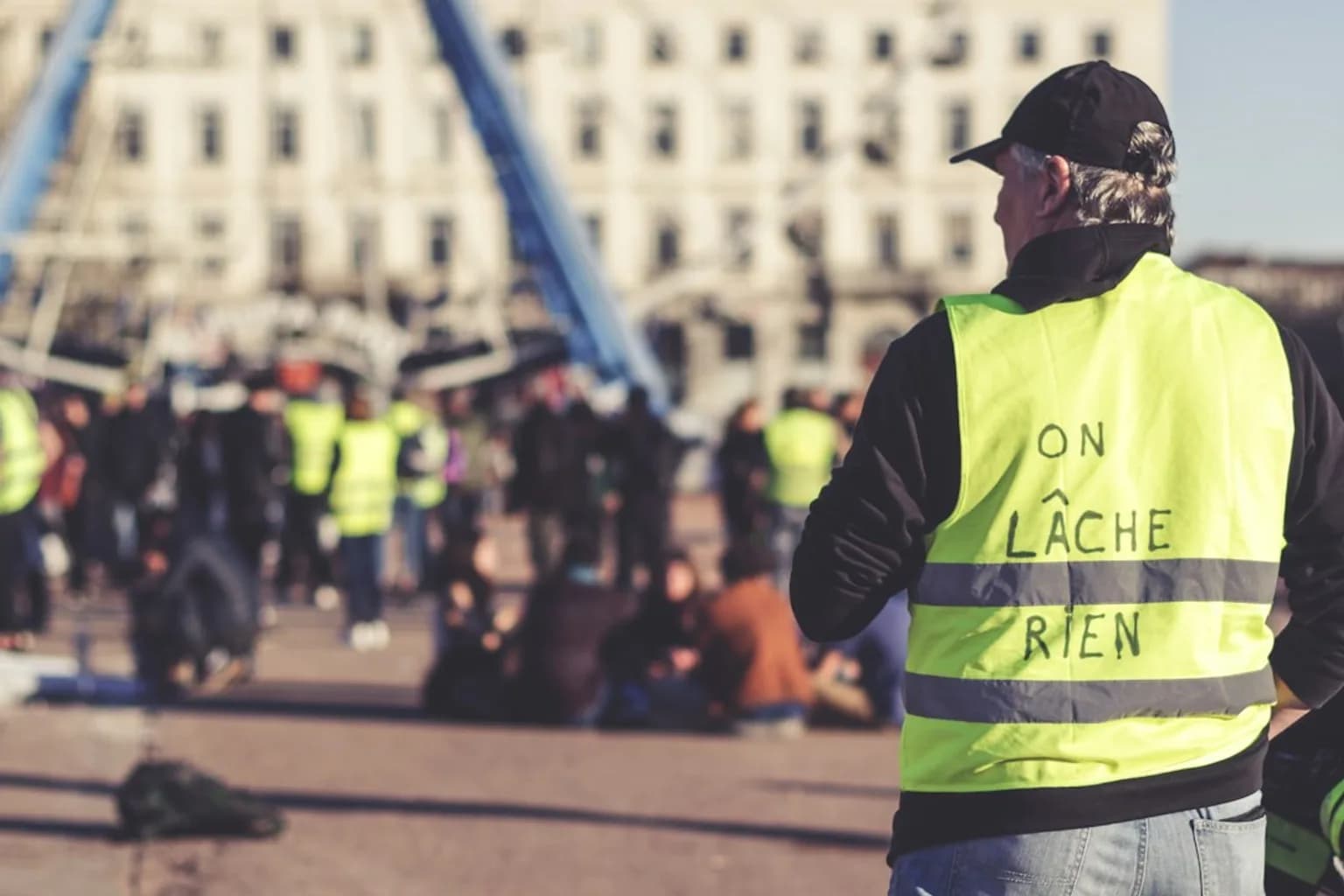
Laurent Nuñez, France’s interior minister, said police lost control during nationwide demonstrations over the weekend, an admission that came after protesters blocked the entrances to the Louvre Museum on Monday, 19 October 2026, preventing it from opening as scheduled. The action was in support of a nationwide high school student protest movement.
The student movement had begun four weeks earlier with demands for better school conditions. It drew wider participation as attention turned to the cost of living.
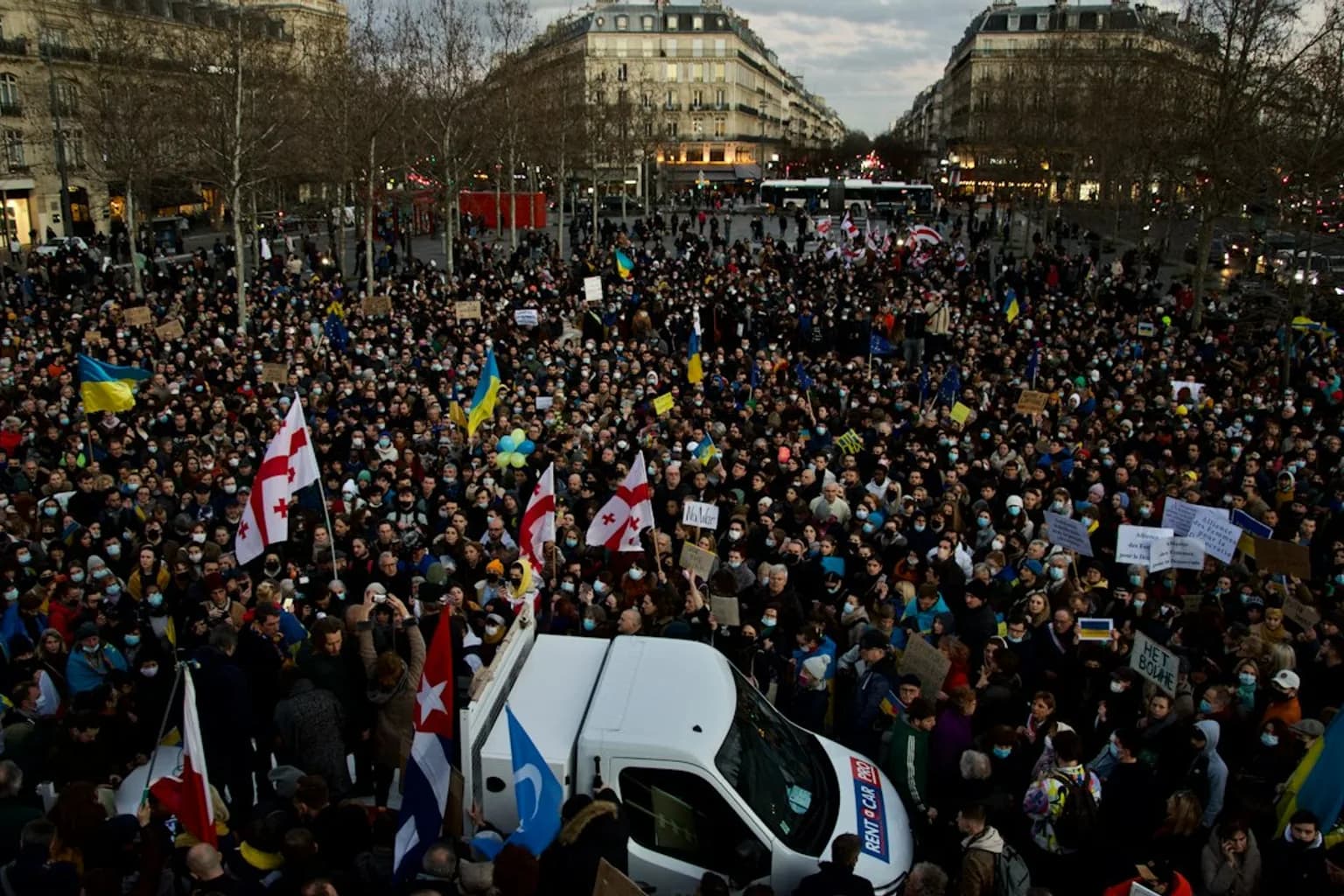
The Yellow Vests movement organised rallies for Saturday, 17 October 2026. About half a million people took part across France, protesting as diesel prices had risen nearly 40 percent and petrol prices by 25 percent since March, while food prices had climbed 25 percent since 2021.
State intelligence had forecast 200,000 demonstrators. More than 500,000 attended, overwhelming the approximately 60,000 law enforcement personnel deployed across the country.
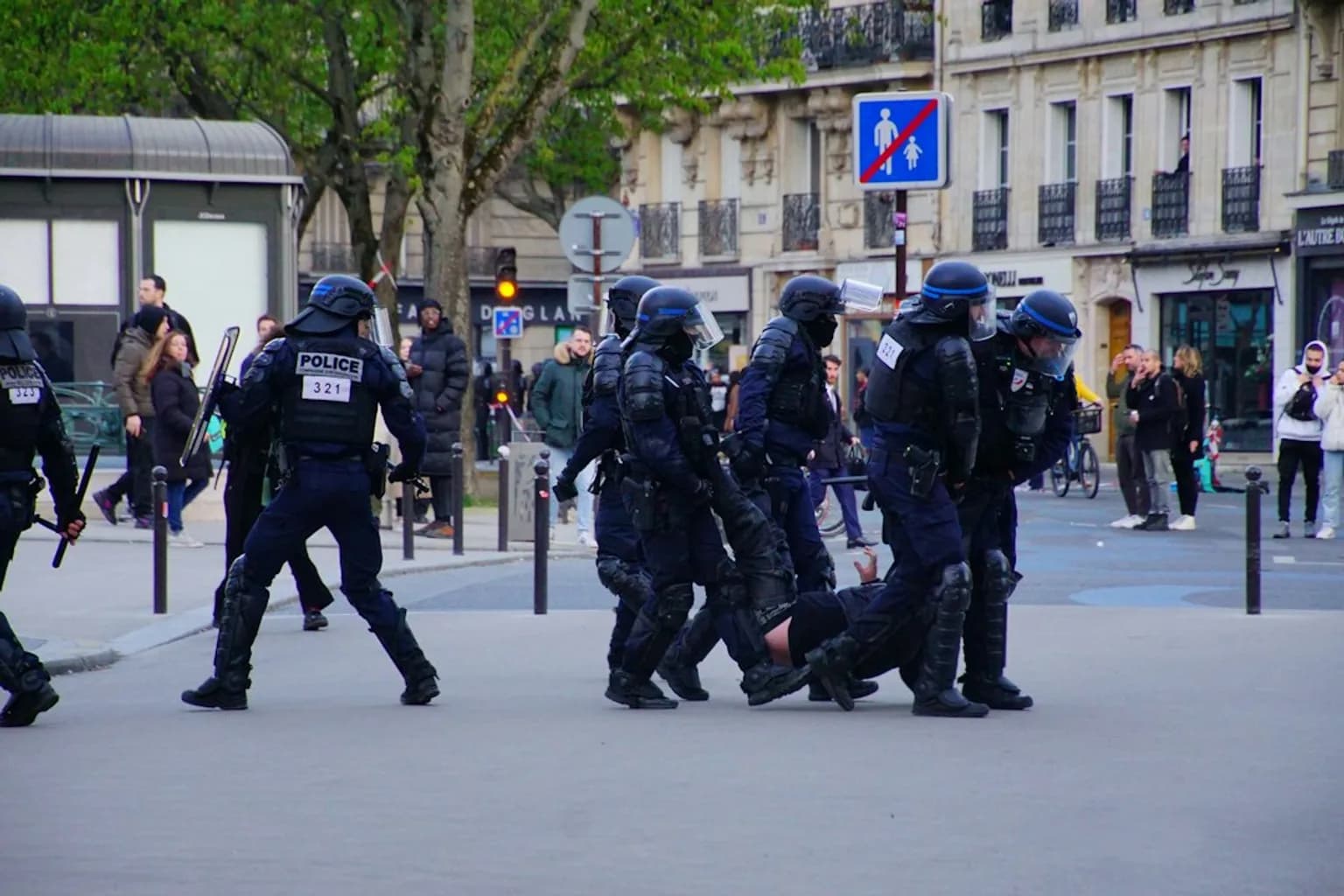
Masked groups on the fringes of the protests attacked law enforcement, broke into town halls and other public buildings, and set many of them ablaze. They looted an estimated 2,000 shops and set fire to cars, bicycles and scooters.
The violence left almost 1,000 members of the security forces injured. More than 2,500 people were arrested during the weekend, with approximately 70% adults. One demonstrator’s hand was blown off by a police crowd-control grenade.
Alain Di Crescenzo, president of the Chamber of Commerce, said damage from the affected shops ran into hundreds of millions of euros.
Looting continued on Sunday, 18 October 2026. Emmanuel Grégoire, the mayor of Paris, said about 30 shops had been targeted in the capital and a further 350 people were arrested overnight.
“Maintaining public order is the responsibility of the state. It is the state that was at fault this weekend,” Grégoire said.
Nuñez said on Monday that there had been a “lack of anticipation” in the deployment of security forces.
“On Saturday, in some major cities, you couldn't look shopkeepers in the eye after hundreds of shops had been looted and tell them we hadn't lost control,” Nuñez told French radio.
He offered his resignation, saying he felt “responsible for everything that happened.”
“Given the damage that has been caused, it was only right that I should hand in my resignation,” Nuñez said.
Macron rejected the resignation and instructed Nuñez to “take all necessary steps to ensure transparency over the failures in planning and intelligence that led to the violence.”
Gérald Darmanin, the justice minister, said intelligence failures had left the state vulnerable. He said approximately 80% of those arrested were being prosecuted.
In an address to the nation on Sunday, 18 October 2026, Macron said local authorities could ban certain rallies “if necessary” in the coming days.
After an emergency cabinet meeting on Monday, Prime Minister Sébastien Lecornu said he had asked regional authorities to impose partial curfews in some cities. He said there was “no question” of a full curfew across entire cities such as Paris.
Comments (0)