
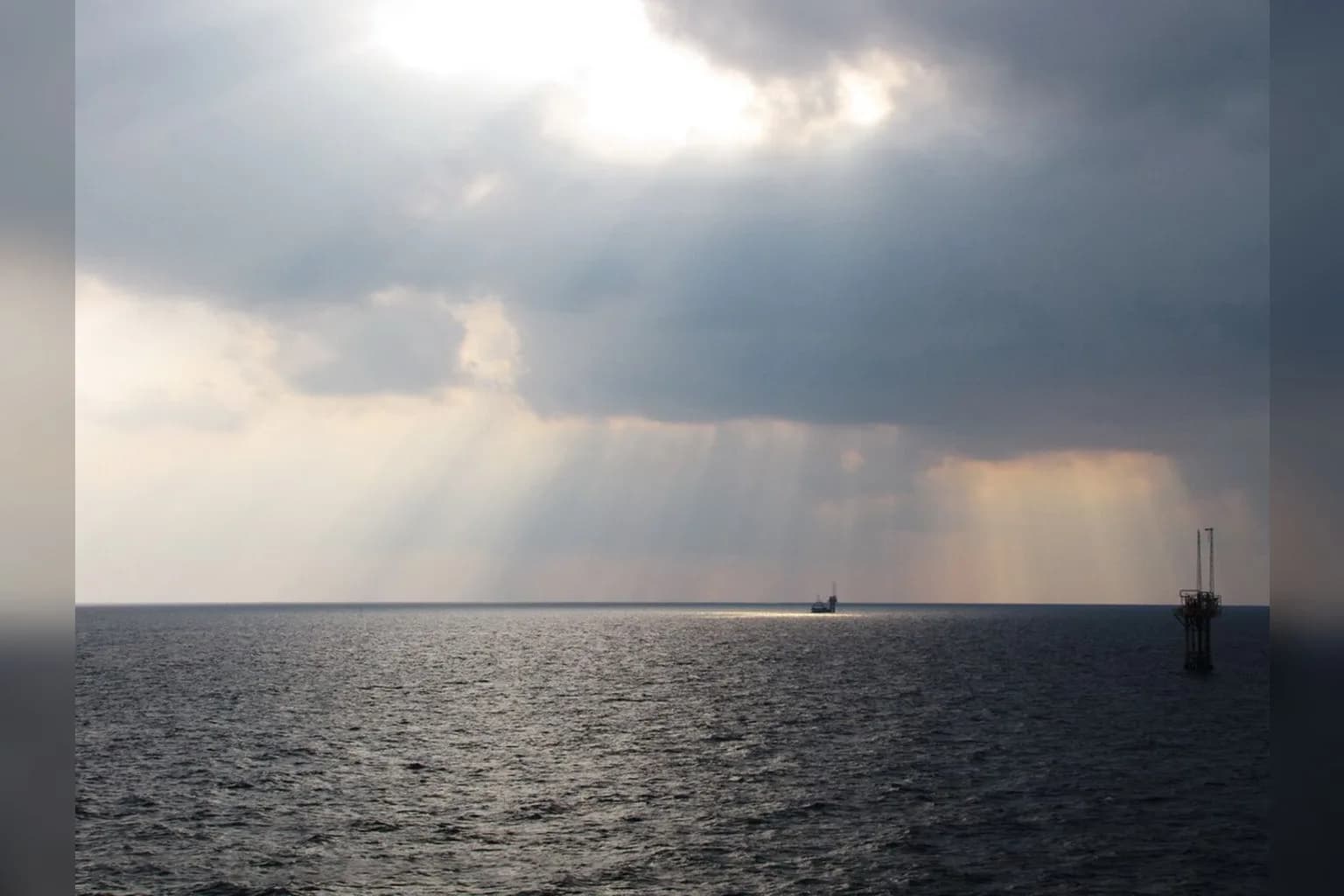
For shipping and commerce in the Gulf, the conflict has left the Strait of Hormuz under Iranian restrictions, with traffic around 70 per cent below pre-war levels as of October.
Hostilities began on February 28 after joint US and Israeli strikes on military installations, missile facilities and nuclear infrastructure inside Iran, which resulted in the death of former Supreme Leader Ayatollah Ali Khamenei. Iran then restricted navigation through the strait, while the Trump administration maintained a naval blockade and briefed Gulf allies on possible new strikes.
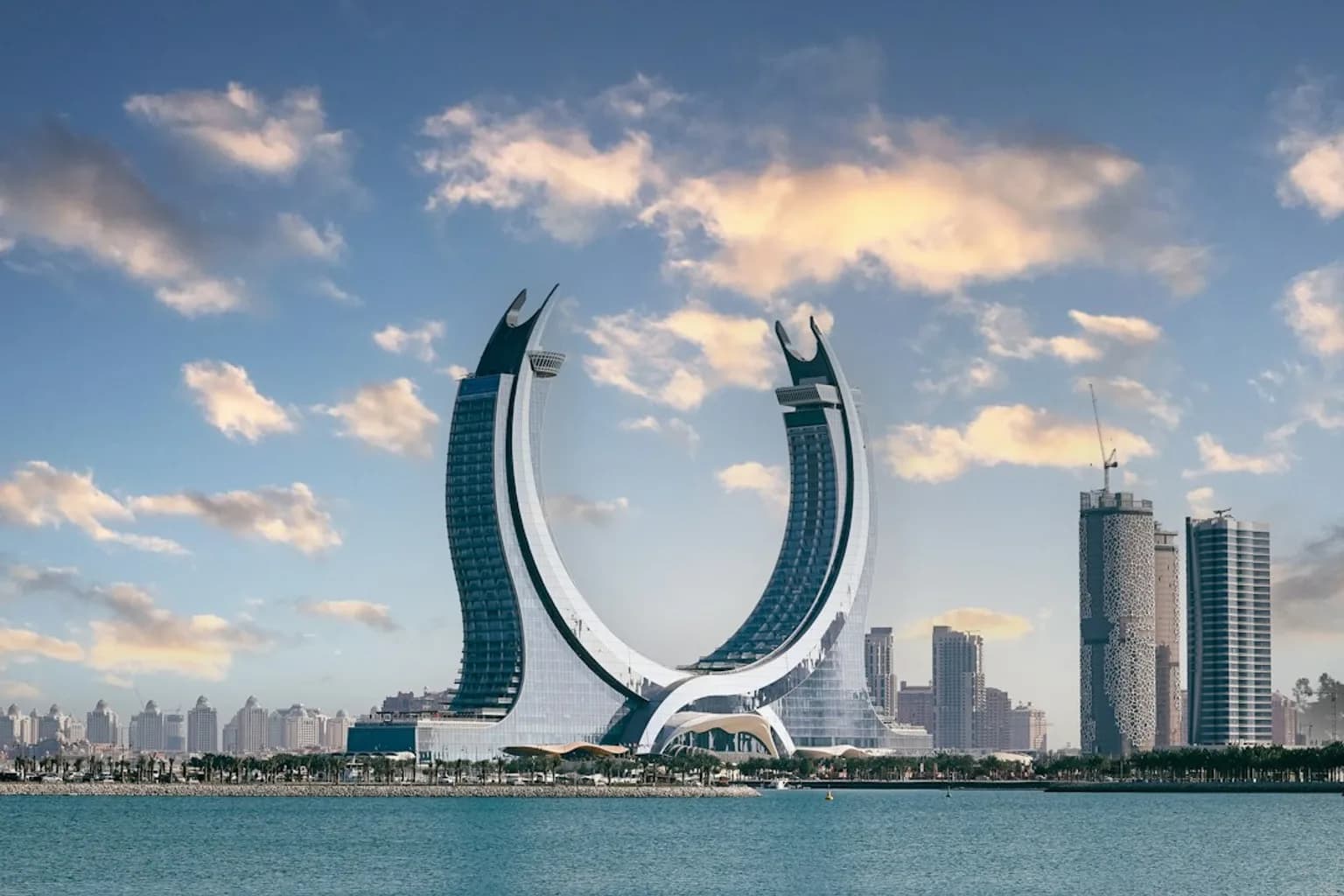
Diplomacy has continued alongside those military preparations. Iran received a letter from Vice President JD Vance, delivered through Qatari mediators, proposing negotiations in a framework that reportedly put Iran’s nuclear programme on the agenda. Qatari mediators were in Tehran to press for an agreement.
Marco Rubio, the US secretary of state, said engagement with Tehran remained active through direct contacts and intermediaries. Rubio and Turkish Foreign Minister Hakan Fidan discussed the negotiations between Washington and Tehran at a meeting in Atlanta on Friday during the G20 foreign ministers’ meeting.
Iran’s foreign minister, Abbas Araghchi, described Washington’s approach as a positive step and raised the prospect of talks in Doha or Istanbul within a week.
Tehran has also made clear that its participation would be conditional. Abbas Gouzardi, spokesperson for Iran’s parliament speaker, told ISNA: “The Islamic Republic of Iran has announced its seven conditions, and until these conditions are met negotiations will be meaningless”.
Mohammad Bagher Ghalibaf, the Iranian parliament speaker, said Tehran “has nothing new to communicate” and said responsibility for ending the crisis lay “entirely on Washington”.
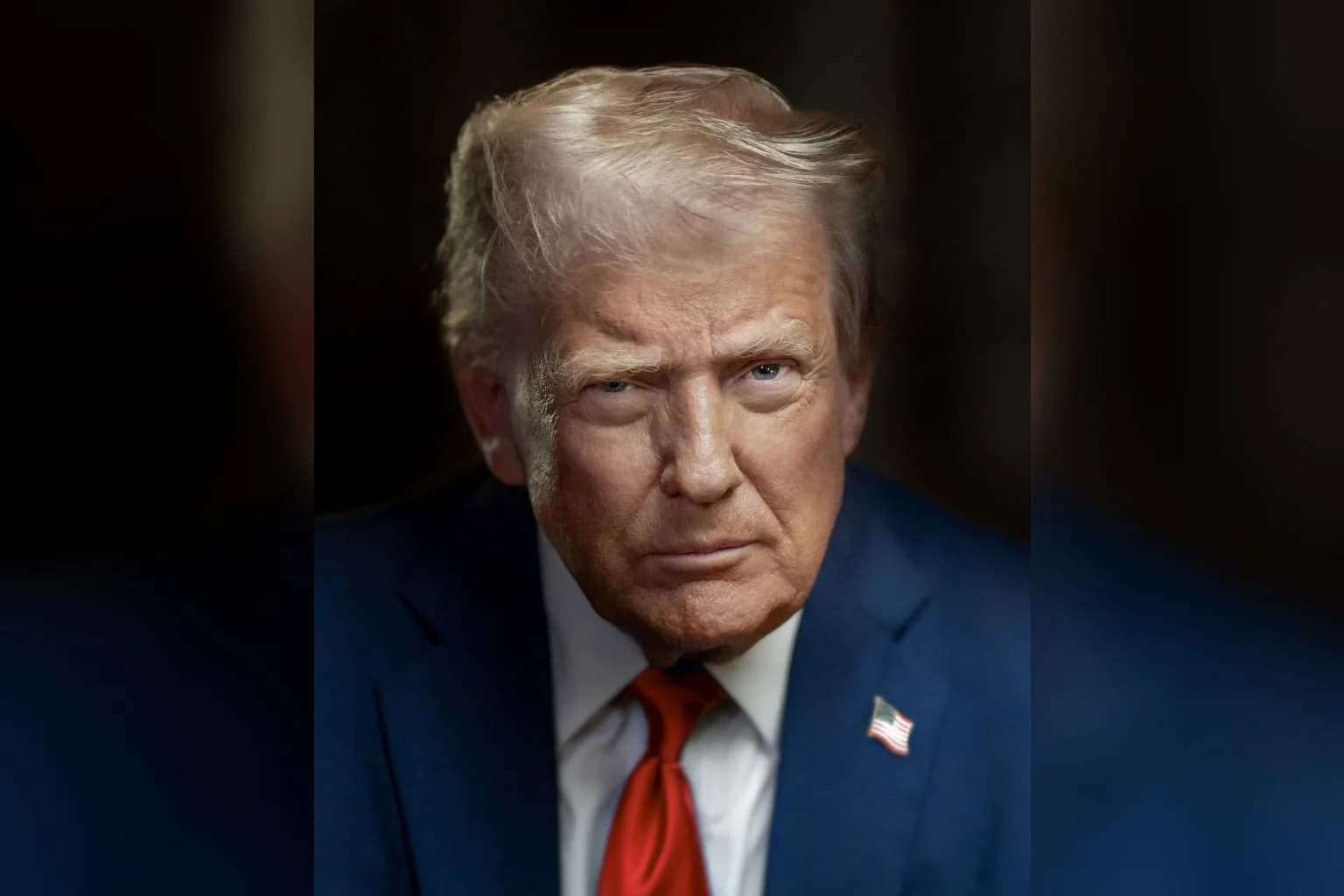
Trump has publicly offered a different, and at times conflicting, account of the opening. He said negotiations were progressing and were “going fine”, while calling Iran “not very reliable” and questioning whether Tehran would abide by an agreement. “I want to make a deal with Iran, but they are not reliable,” he said.
At the Forum Club of the Palm Beaches in West Palm Beach, Florida, Trump spoke about the US seizure of a vessel and its oil cargo. “We took over the ship. We took over the cargo, took over the oil. It’s a very profitable business,” he said. “We’re like pirates. We’re sort of like pirates.”
He has also said Iran wants negotiations to continue and that Washington has time to pursue them. At the White House, Trump told reporters: “There are talks, they want to talk, they keep talking. We have time, frankly.”
The military position remains unchanged in the public statements. Supreme Leader Khamenei directed commanders to maintain combat readiness amid threats from the United States and Israel. Ebrahim Azizi, who heads the Iranian Consultative Assembly’s National Security and Foreign Policy Commission, said: “We will respond to any threat immediately and more forcefully than ever before, and we will have no limitations in geography or target banks.”
On Sunday, Iran’s foreign ministry designated the UK’s Royal Navy and Royal Air Force as “terrorist organizations” and classified MI6 as a “hostile group”.
Trump, meanwhile, said Washington still needed to target “one or two sites” in Iran and claimed strikes could be carried out within minutes. He singled out Pickaxe Mountain, a site reportedly suspected by Western intelligence of storing nuclear material, as a location that still needed to be dealt with.
He spoke by telephone with Israeli Prime Minister Benjamin Netanyahu on Saturday as Washington weighed renewed military action against Iran. The administration has briefed Persian Gulf allies to prepare for a short, intense round of attacks as early as November 4. Those allies have pressed for de-escalation because of concerns about Iranian retaliation.
The negotiations therefore remain bounded by threats on both sides. Washington is keeping diplomatic channels open through Qatar and other intermediaries while preserving the option of strikes, and Tehran has paired a conditional willingness to talk with demands and warnings of a broader response.
Comments (0)