
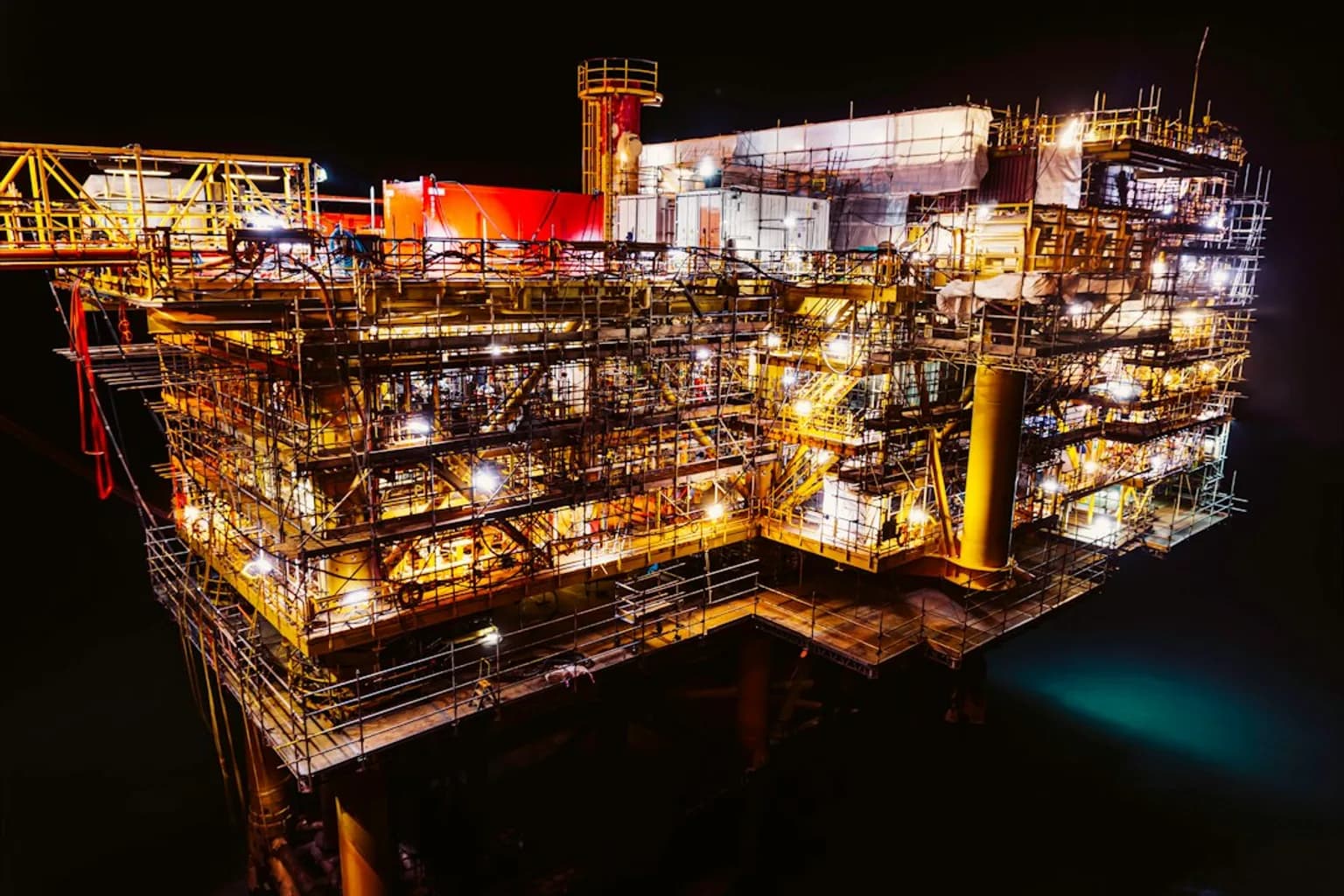
In April, the International Monetary Fund expected the Gulf economies to expand by 2 per cent in 2026. By Tuesday, 22 October 2026, it had replaced that forecast with a projected 4.8 per cent contraction, a 6.8 percentage point downgrade.
The shift reflects the economic effects of the Iran war on the six Gulf Cooperation Council (GCC) economies. Jihad Azour, the IMF’s director for the Middle East and Central Asia, said the conflict had disrupted “energy production, shipping, tourism, trade, and confidence”, leaving several Gulf oil exporters heading for recession.
The 2026 forecast reverses 4.5 per cent growth recorded in 2025.
The pressure has been uneven. Kuwait is projected to contract 16.7 per cent, Qatar 15.6 per cent and Bahrain 11.3 per cent. Saudi Arabia is forecast to shrink by 3.3 per cent and the UAE by 3.9 per cent. Oman is the exception, with growth of 4.1 per cent projected for 2026.
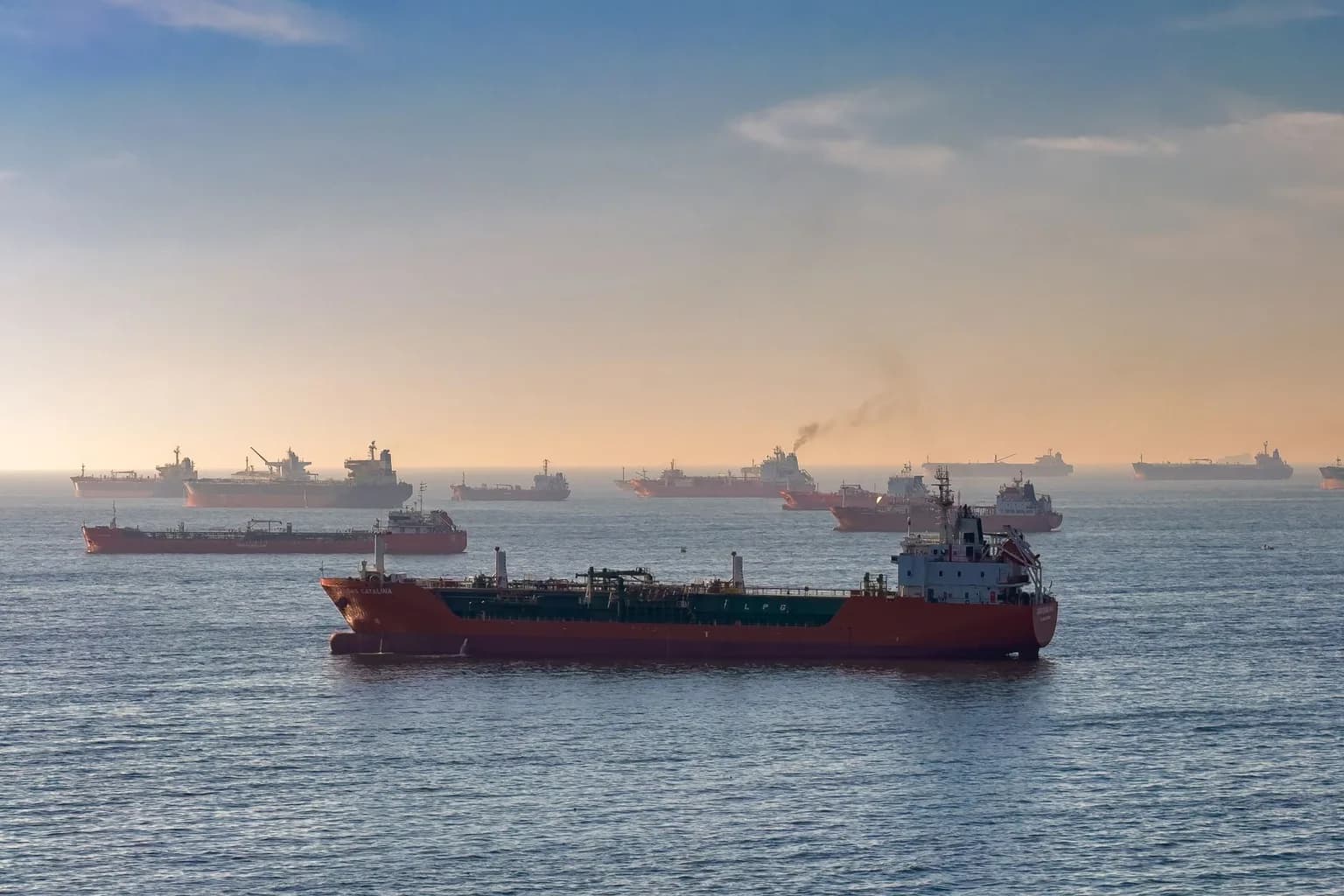
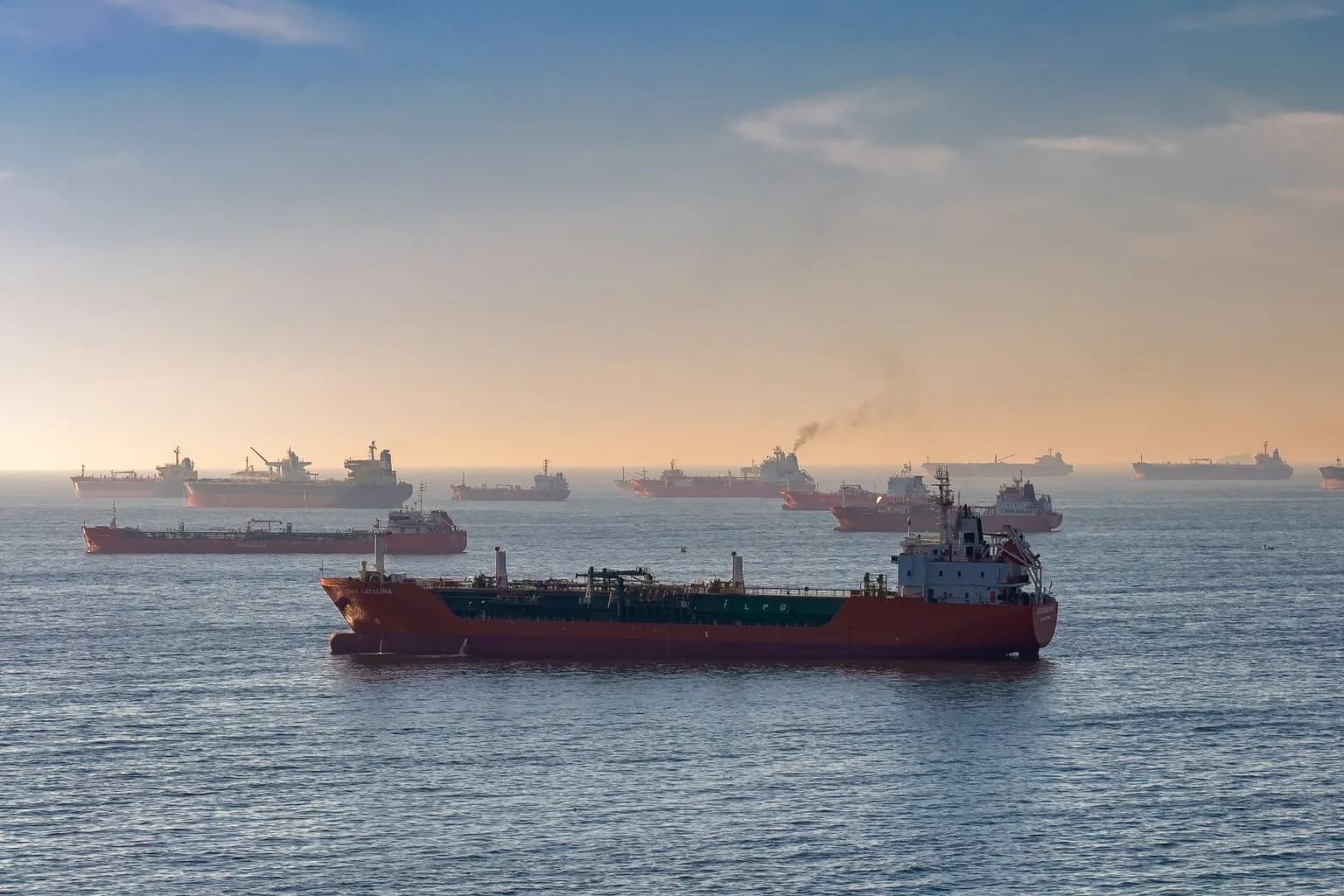
Before the war, about 20 million barrels of oil, roughly a quarter of the world’s maritime oil trade, passed through the Strait of Hormuz each day. As the conflict intensified, oil and gas production among affected Gulf exporters fell from 33 million barrels a day in February to 19 million in May. Qatar’s oil output fell by as much as 86 per cent, the steepest decline among the affected exporters.
Some shipping returned by September, lifting Gulf crude shipments to more than 75 per cent of prewar levels. The recovery in shipments has yet to produce a wider economic recovery. The IMF expects the Gulf’s non-oil economy to contract by 0.8 per cent in 2026 before returning to 4.5 per cent growth in 2027.
The external and public-finance effects are also expected to deepen. The current-account surplus is forecast to narrow to 1.3 per cent of gross domestic product in 2026, from 5 per cent in 2025. The combined fiscal deficit is expected to widen to 2.3 per cent of GDP from 0.8 per cent, while inflation is projected to rise to 2.7 per cent.
The scale of the projected contraction is similar to the 4.9 per cent fall in the bloc’s GDP during the Covid-19 pandemic.
The IMF forecasts 9.1 per cent growth for Gulf economies in 2027. That outcome rests on hostilities ending and shipping through the Strait of Hormuz gradually resuming in early 2027. Azour said that “a more prolonged conflict remains the principal risk to the outlook.”
Kristalina Georgieva, the IMF managing director, described the energy-price shock from the US-Iran war as “large but contained”. She added: “Even if the war in the Gulf were to end soon, the problem of high energy prices would likely persist for some time”.
Comments (0)