
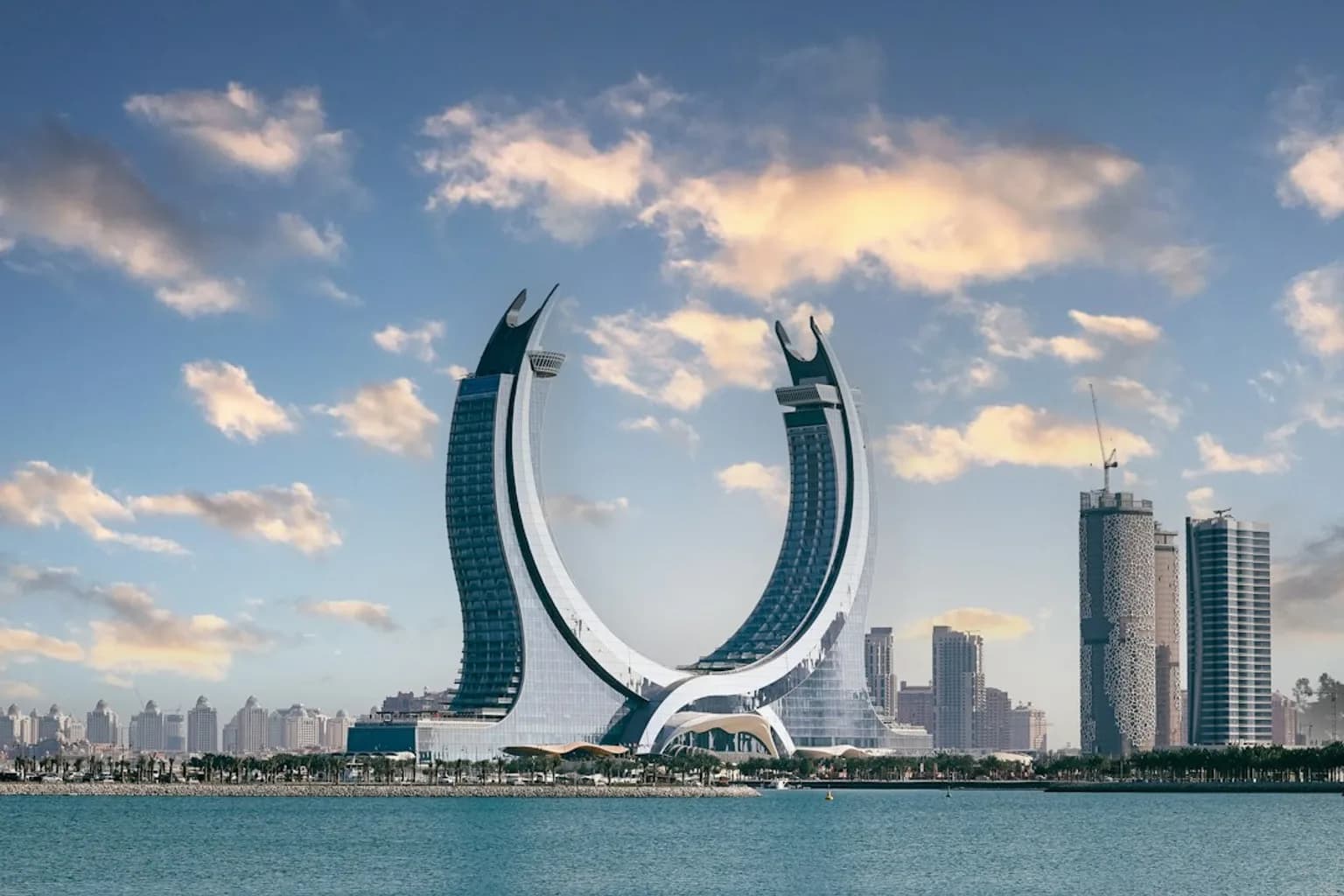
For people across a region already living with the prospect of renewed conflict, the Doha effort could help determine whether American-led attacks on Iran resume after the US midterm elections on Tuesday, 3 November.
The mediation follows fighting that began on 28 February, when the US and Israel struck Iranian targets.
A preliminary US-Iran agreement to halt the fighting was signed on 17 June, then collapsed weeks later. The last confirmed US strikes on Iran took place on 1 September.
On Friday, Qatari mediators spent more than 12 hours with Iranian officials in Tehran, seeking to restart direct negotiations between Washington and Tehran. Qatar remained in regular contact with the White House during those discussions.
Oil prices jumped more than 2% on Friday and settled at their highest levels since the end of April.
Abbas Araghchi, Iran's foreign minister, said an Iranian delegation had headed to Qatar to speak with mediators. The delegation travelled with the Qatari team on its return to Doha, where negotiations are due to continue.
Araghchi denied that Iranian officials planned to meet their US counterparts directly. “What is being circulated in this regard is merely media speculation,” he said.
Yet a US delegation is expected to join Iranian representatives for direct talks in Doha after what has been described as a breakthrough in the indirect negotiations. A diplomatic source said: “There was positive progress. Talks are still ongoing in an effort to unlock a deal between the US and Iran.”
The parties are said to have settled preliminary measures involving Iran's nuclear programme, navigation through the Strait of Hormuz and financial incentives for Tehran. China and Russia are expected to guarantee any agreement.
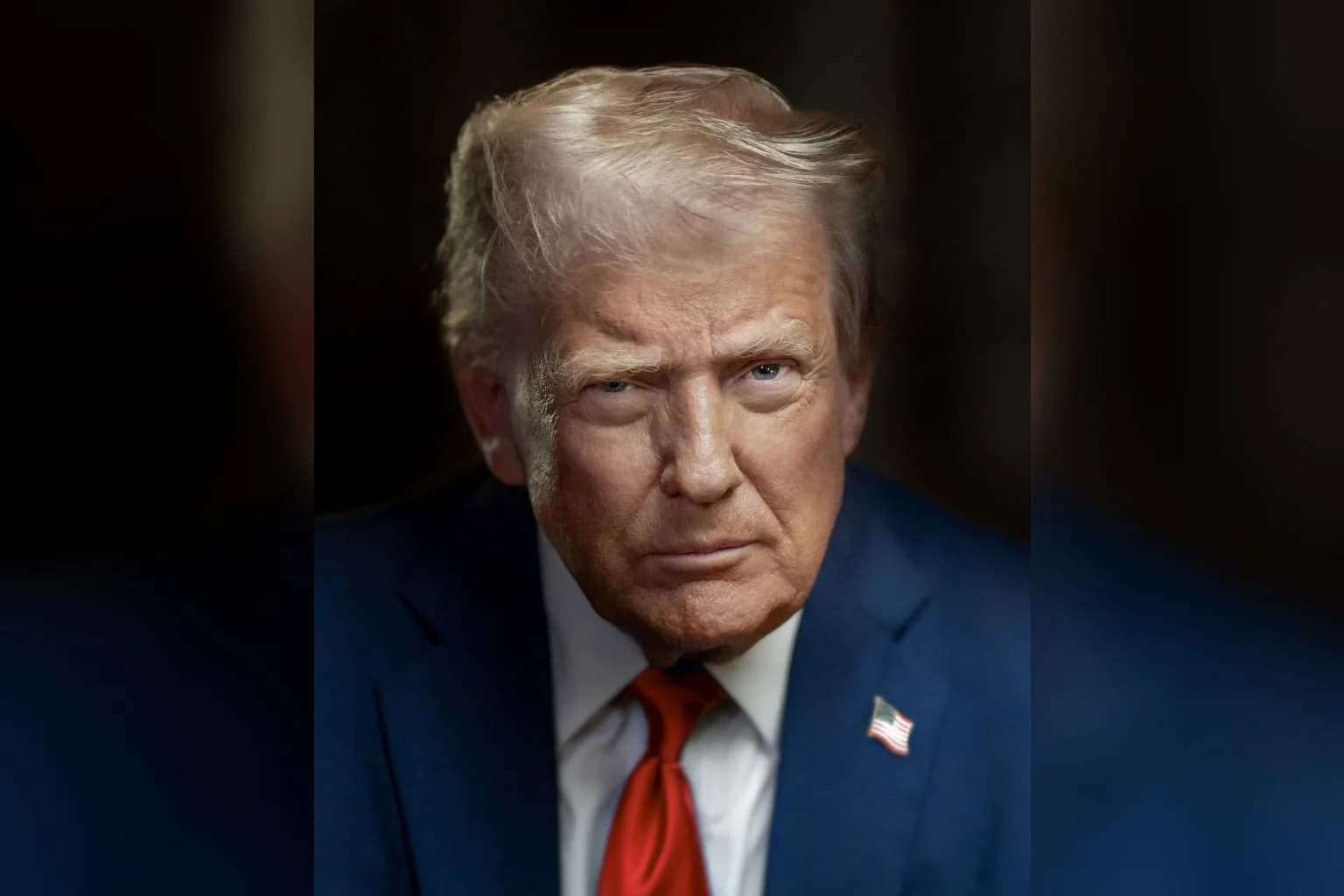
The proposed talks come with a short political and military timetable. On Tuesday, President Donald Trump repeated his claim that the Iran war would end “whenever I want it to.” He has also pledged to undertake no new military operations before the midterm elections.
The United States has told its Gulf allies to prepare for a possible new series of attacks on Iran as early as 4 November. Those attacks were described as short-lived and particularly intense.
In a statement posted on his Telegram account on Saturday, Iranian Supreme Leader Mojtaba Khamenei said that “any level or type of threat must be met with an immediate, impactful, and geographically unrestricted response.” He added: “All the resources, both material and immaterial, of the American-Zionist enemy must be targeted.”
A White House official said: “We do not comment on sensitive military plans that may or may not exist.” The official said Trump “keeps all options on the table to ensure that Iran never acquires a nuclear weapon.”
Comments (0)