
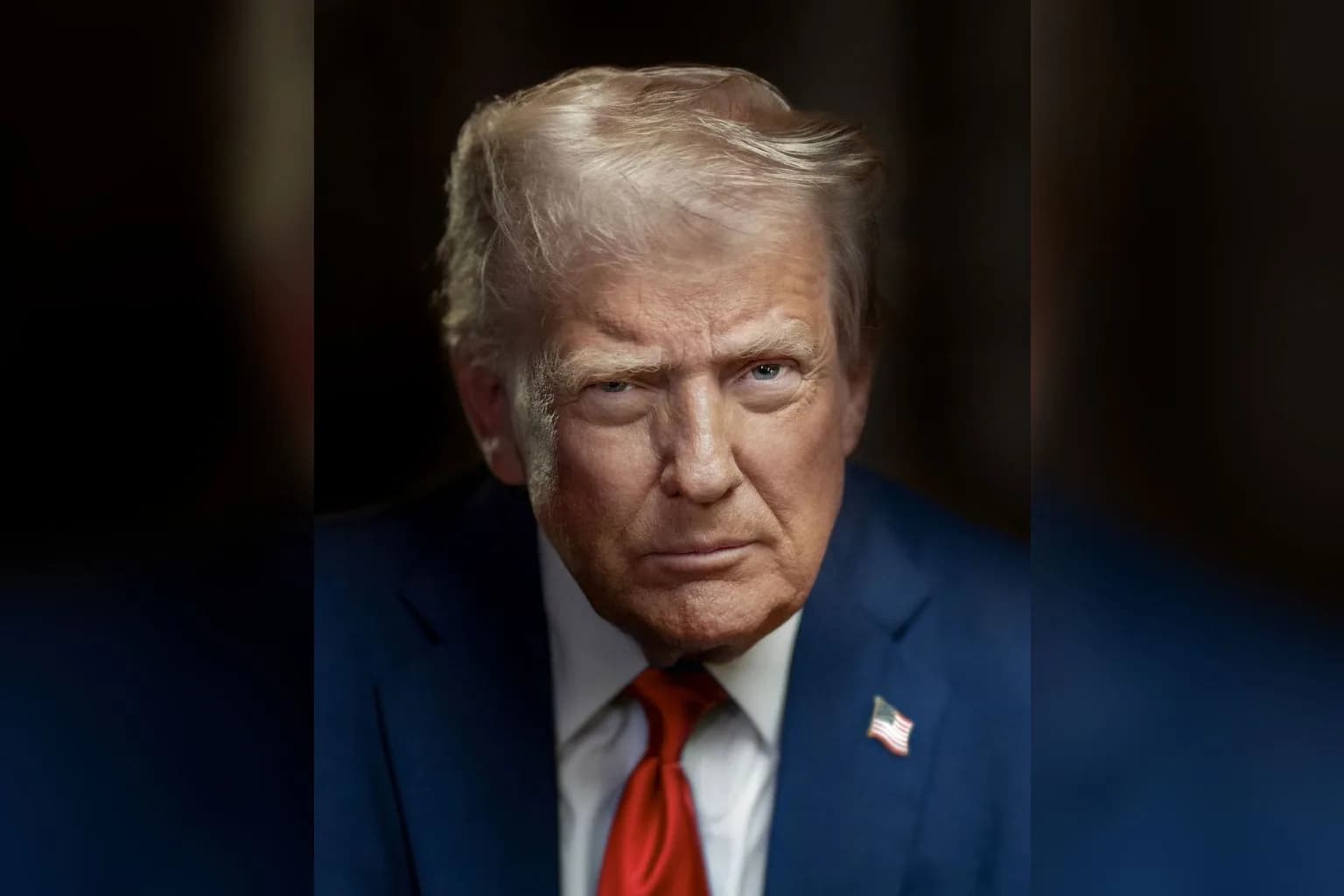
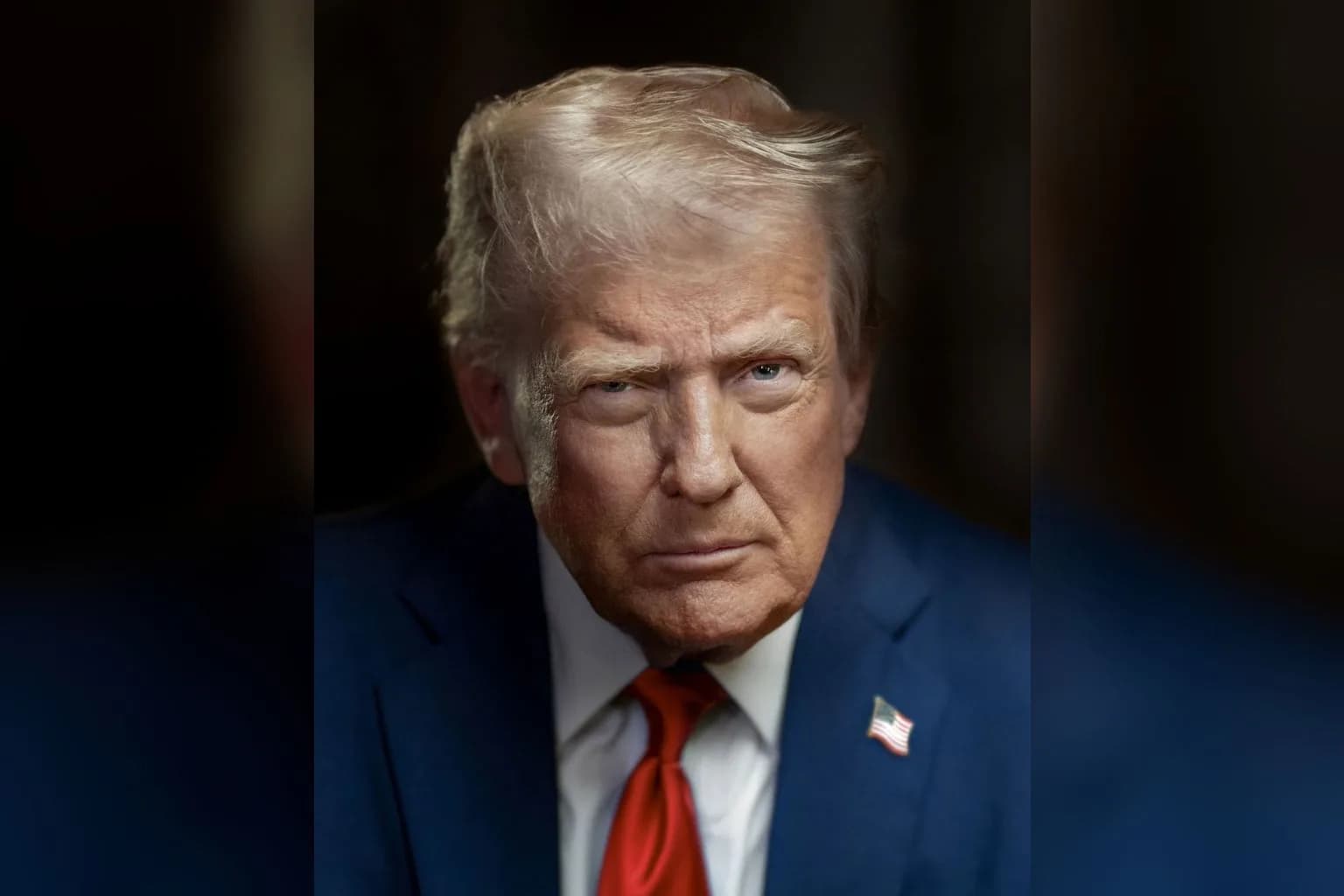
Speaking at the Golden Age of American Innovation Summit at the Institute of Peace in Washington, DC, on 8 October 2026, President Donald Trump said “productive discussions” were under way regarding Iran and that the United States would not attack Iran before the Nov. 3 midterm elections.
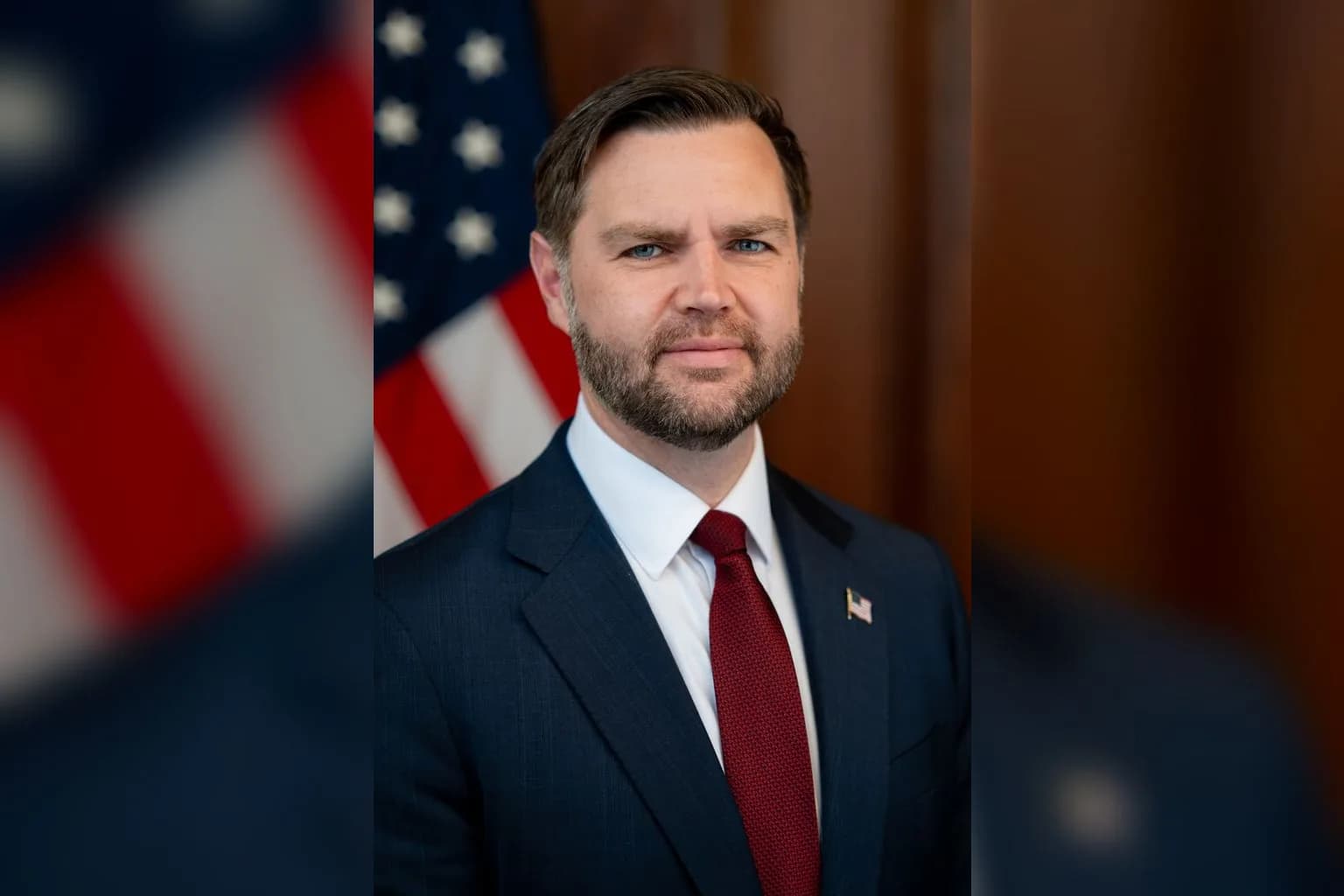
His administration has set demanding terms for any agreement. Vice President JD Vance told Reuters that Iran must make a “meaningful” reduction in its enrichment capacity and halt production of highly enriched uranium. Addressing Iranian President Masoud Pezeshkian and Foreign Minister Abbas Araghchi, Vance asked: “If you don't want a nuclear weapon, then why do you need 60 percent enriched fuel?”
Iran has enriched uranium to 60 percent. The International Atomic Energy Agency has said this is below the roughly 90 percent considered weapons-grade. Vance said that ending highly enriched fuel production would demonstrate a commitment against building a nuclear weapon. “That's a very basic threshold issue,” he said.
Secretary of State Marco Rubio set out Washington’s position in still plainer terms: “Iran cannot have a nuclear weapon, simple, period, end of story.” The IAEA, in its May 2025 assessment, said it had found no credible indications of a structured nuclear programme in Iran.
Vance said the US was speaking with Pezeshkian and Araghchi. Yet Washington recently rejected an Iranian proposal floated during the UN General Assembly. The proposal would have tied the reopening of the Strait of Hormuz and renewed nuclear negotiations to sanctions relief, the release of frozen assets and an end to restrictions on Iranian oil exports.
Rubio said Iran had “lost complete control” of the Strait of Hormuz and that its economy was “in total and complete freefall”.
Pezeshkian said on Monday that negotiations with Washington were “futile”. “Our problem with the United States is that every time we come to the negotiating table, war is immediately imposed upon us,” he said. He claimed that the US had attacked Iran three times after talks, which he said showed it did not seek dialogue. Pezeshkian also said that daily assassination, sanctions, pressure and threats, alongside broken promises, had made negotiations futile and unacceptable to Iran.
Araghchi had made Iran’s conditions clear when he addressed foreign ambassadors in Tehran on October 4. “Only negotiations based on justice and fairness” could end the conflict, he said.
Trump nevertheless coupled the prospect of negotiations with a warning that the war would end through either “the nice way or the not-so-nice way”. Tehran officials have questioned whether Washington genuinely seeks negotiations as the US-Israel war on Iran enters its eighth month.
Comments (0)