
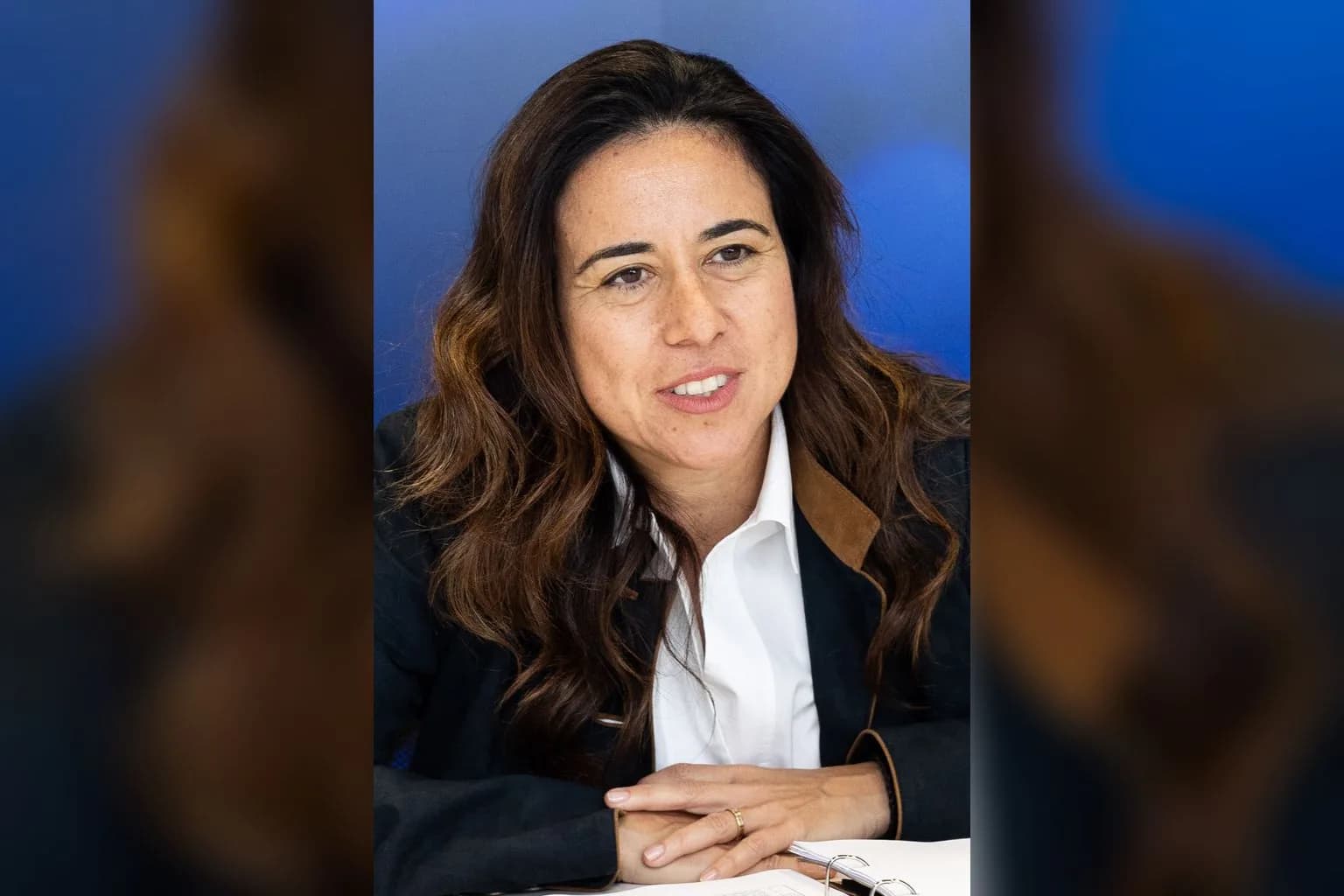
The United Arab Emirates has put forward Lana Nusseibeh for the UN’s top job, entering a contest stalled by the veto power of the Security Council’s permanent members. The nomination was made on Wednesday in a letter from President Sheikh Mohamed bin Zayed Al Nahyan to the presidents of the UN General Assembly and Security Council.
Nusseibeh, 48, is the UAE minister of state for foreign affairs and previously served as its Permanent Representative to the United Nations from 2013 to 2024. She was the first woman to represent the UAE in that post.
Her candidacy arrives after an informal Security Council straw poll on 16 October left no clear route to success for the existing field. Every candidate received at least two opposing votes from Britain, China, France, Russia and the US, the five permanent members whose objections can block a nominee.
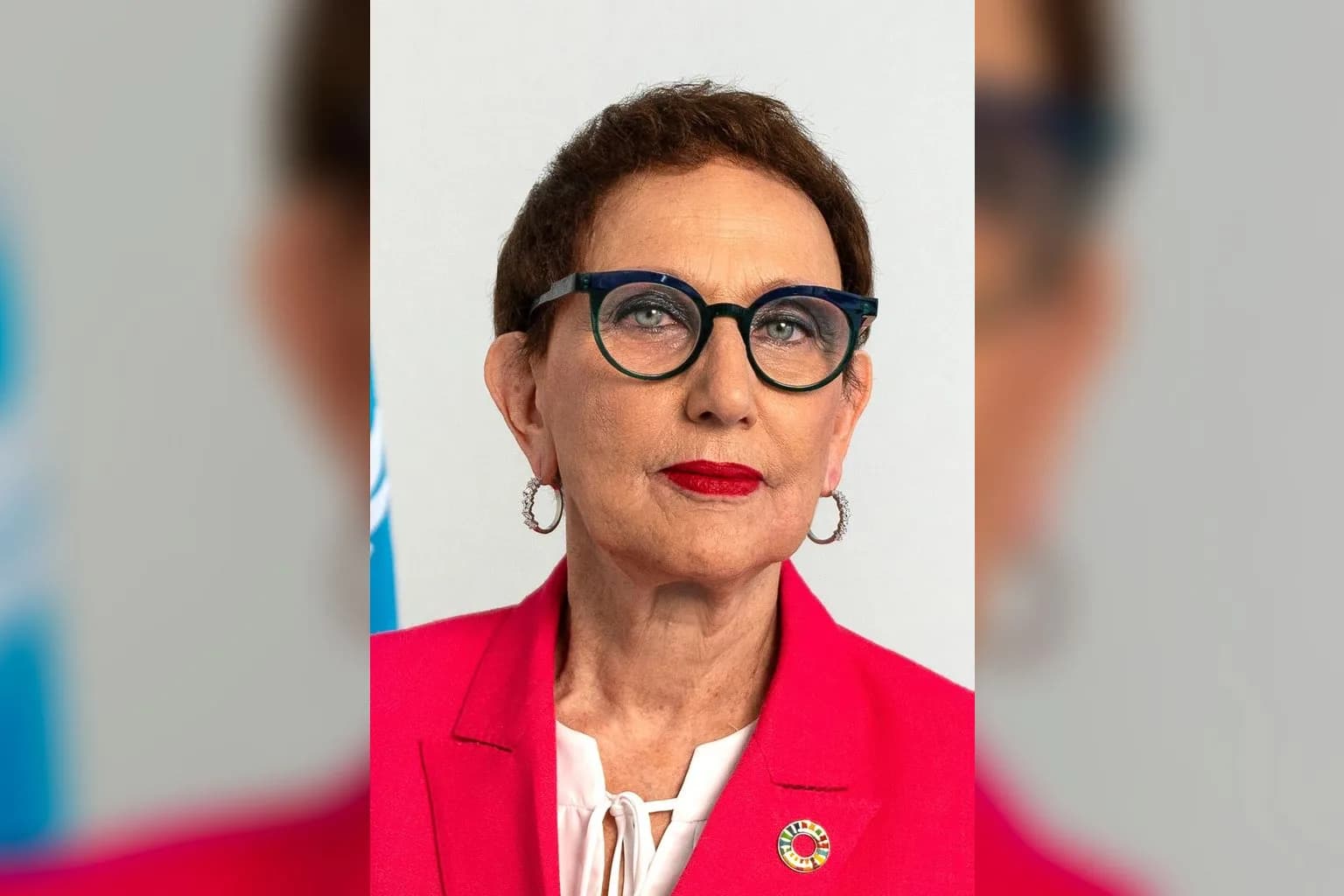
Rebeca Grynspan, the former Costa Rican Vice President, had been the narrow frontrunner in an earlier informal poll. She too received at least two opposing votes from permanent members. Macky Sall of Senegal subsequently withdrew from the race after receiving vetoes.
Nusseibeh said multiple countries had approached her during the last UN General Assembly about putting herself forward. She has taken a leave of absence from her UAE government post to concentrate on the campaign.
During her time at the UN, Nusseibeh served as Vice-President of the General Assembly and President of the Executive Board of UN Women. She also co-chaired processes on revitalising the General Assembly and reforming the Security Council, and served twice as President of the Security Council during the UAE’s 2022–2023 term.
She led the UAE’s delegation during that Security Council term. During the Gaza war in 2023, she secured the adoption of Resolution 2720, which paved the way for humanitarian aid deliveries.
Nusseibeh is of Palestinian descent, and her family traces its roots to one of the most prominent Muslim dynasties in Jerusalem. She said the UN needed a secretary-general able to act with greater urgency, bring people together across differences and treat multilateralism as a way to solve problems rather than observe crises.
Her arrival challenges an established expectation in this selection. By tradition, the position rotates among regions, and the job was expected to go to a candidate from Latin America this time. If selected, Nusseibeh would become the first woman to lead the UN and the second UN chief from the Middle East, after Egypt’s Boutros Boutros-Ghali.
Rafael Grossi, the Argentine head of the UN nuclear watchdog, and Carolyn Rodrigues-Birkett, a Guyanese former foreign minister, are among the seven active candidates. To win, a candidate needs nine votes from the Security Council’s 15 members and must avoid a veto from any of the five major powers. The name of a candidate who meets those conditions goes to the General Assembly for confirmation.
Council members are negotiating over whether to hold another poll this Friday or at a later point as the process continues in the weeks ahead. The next secretary-general will succeed António Guterres of Portugal, whose second five-year term ends on December 31, 2026.
Comments (0)