
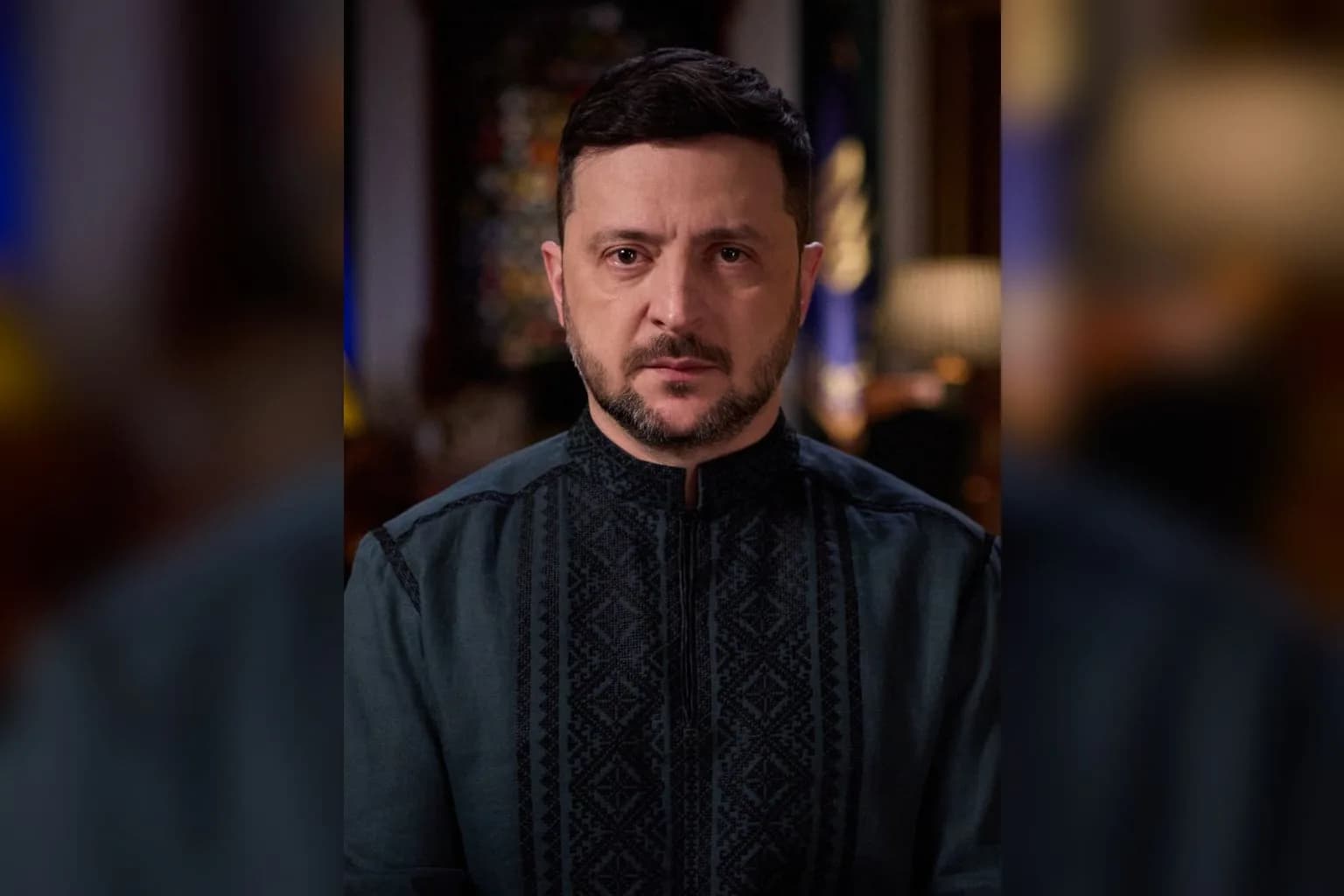
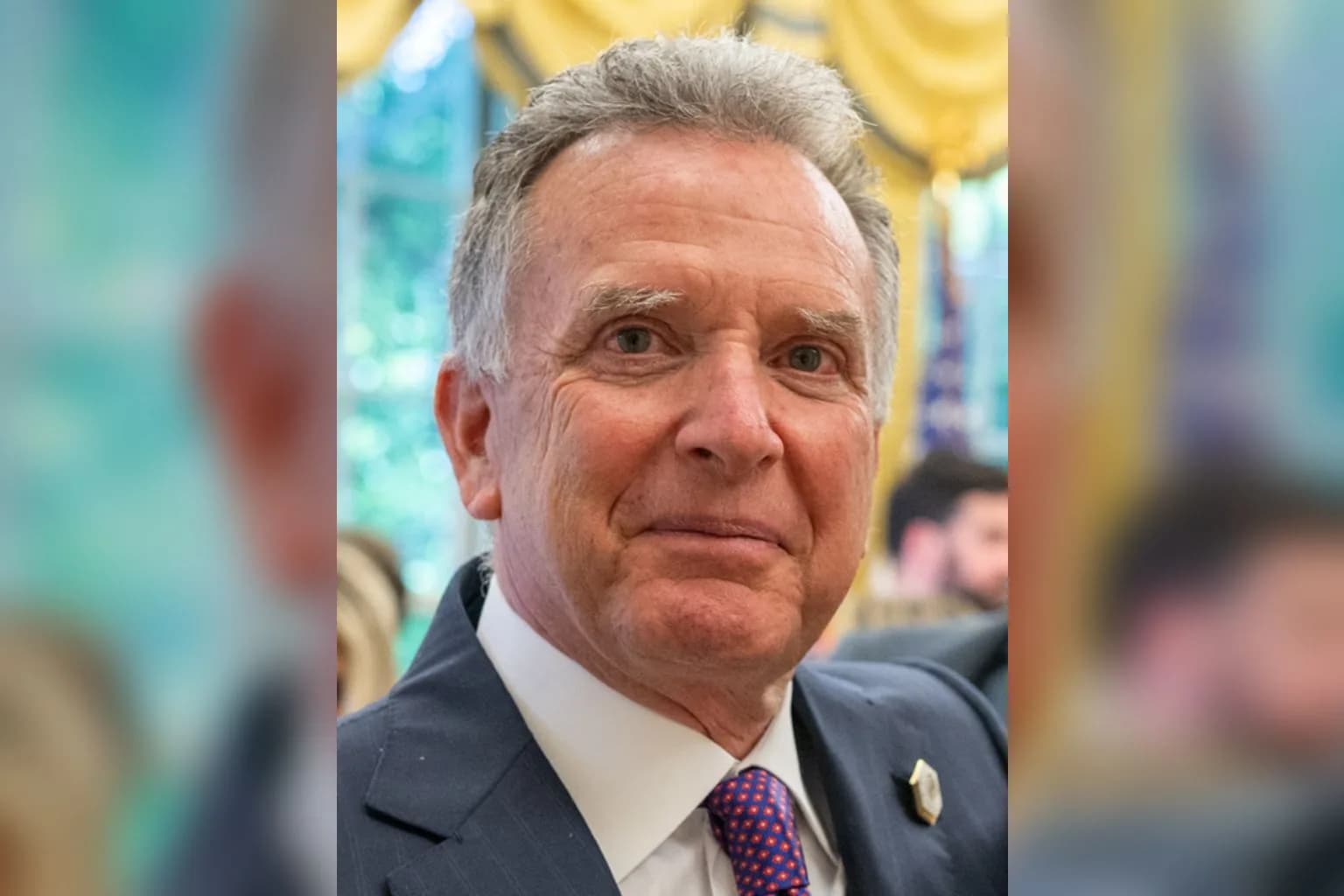
Volodymyr Zelensky arrives in Oslo on October 20 seeking to keep Ukraine at the centre of negotiations over its future, even as Donald Trump has suggested that another person should negotiate on its behalf. The Ukrainian president is due to meet Steve Witkoff, Trump’s special envoy, alongside European partners and representatives of NATO and the European Union.
The meeting brings Zelensky together with Witkoff, Norway’s prime minister Jonas Gahr Støre, Finnish President Alexander Stubb and representatives from the United Kingdom, France, Germany and Poland. Jared Kushner, Trump’s son-in-law and a special envoy, is expected to take part remotely because of illness.
Støre is hosting the talks with the aim of putting diplomatic efforts on a more constructive path.
The Oslo meeting follows US-Ukraine discussions in Miami on October 9, when Witkoff and Kushner met a Ukrainian delegation. Those talks had been planned for October 9 and 10, though they ended after the first day.
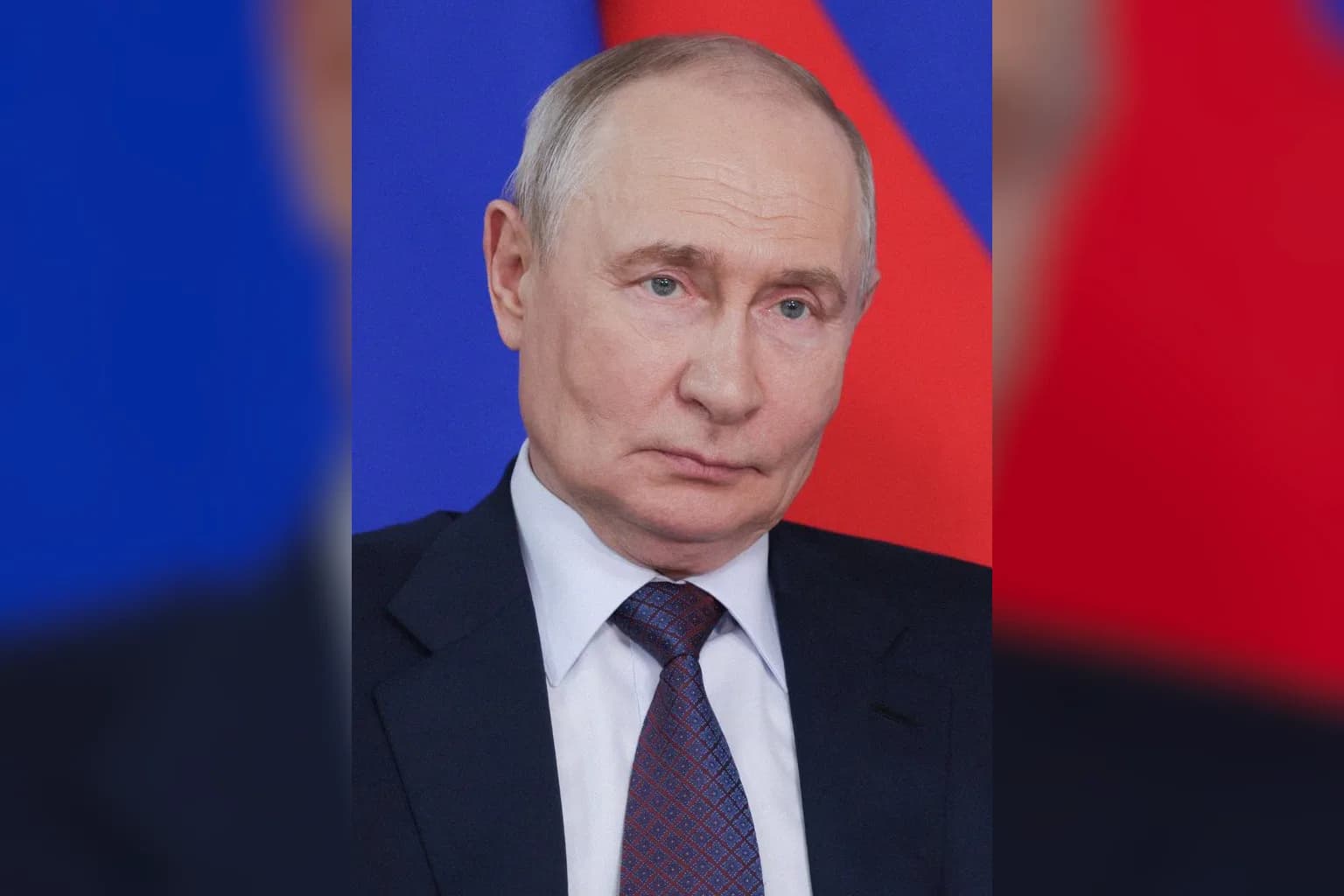
Relations between Trump and Zelensky have since soured amid a US deal with Russian President Vladimir Putin to supply diesel fuel to American and global markets. The White House announced the arrangement while seeking to cut surging fuel prices before the November 3 midterm elections.
Trump described the arrangement as a “diesel deal” and deferred sweeping new sanctions directed at Russian energy sales.
On October 19, Trump told reporters that Zelensky “doesn't know what he's talking about” and “should have settled the war a long time ago”. He added: “I think it's time for somebody else to negotiate on behalf of Ukraine”.
Zelensky has answered with complaints that US support is being slowed at a dangerous point in the war. He accused Washington of withholding intelligence, limiting access to SpaceX’s Starshield satellite technology and delaying missiles already paid for by European countries. “All of this suggests that some political decision has been made to slow down support for us,” he said.
Ukraine’s forces use Starshield for battlefield communications and drone operations.
On Monday, Zelensky told US senators that “the Pentagon is delaying the delivery of missiles” paid for by European countries. He said the shipment was awaiting the signature of US Defence Secretary Pete Hegseth.
The cost of gaps in warning was apparent overnight on Sunday and Monday, when Russia launched a strike involving 16 ballistic missiles. It was the third time in the same week that Ukraine had been without its usual advance warning from US intelligence about incoming attacks.
On October 20, a Russian drone struck a highway linking Kyiv with the Black Sea port of Odesa, killing three people and injuring four, according to Kyiv’s regional prosecutor’s office.
Russian forces also attacked three energy facilities in the Odesa region on October 20, leaving more than 30,000 households without electricity.
There was one sign of continuing contact between Kyiv and Washington before the Oslo gathering. Zelensky said on Tuesday that he had held “constructive” talks with US Secretary of State Marco Rubio about ballistic missile interceptors, early warning on attacks and Starshield.
Witkoff plans to travel on to Russia after Oslo for a meeting with Putin, though the timing remains unknown. He is expected to present ideas for ending the war developed with Ukraine and European partners.
Comments (0)