
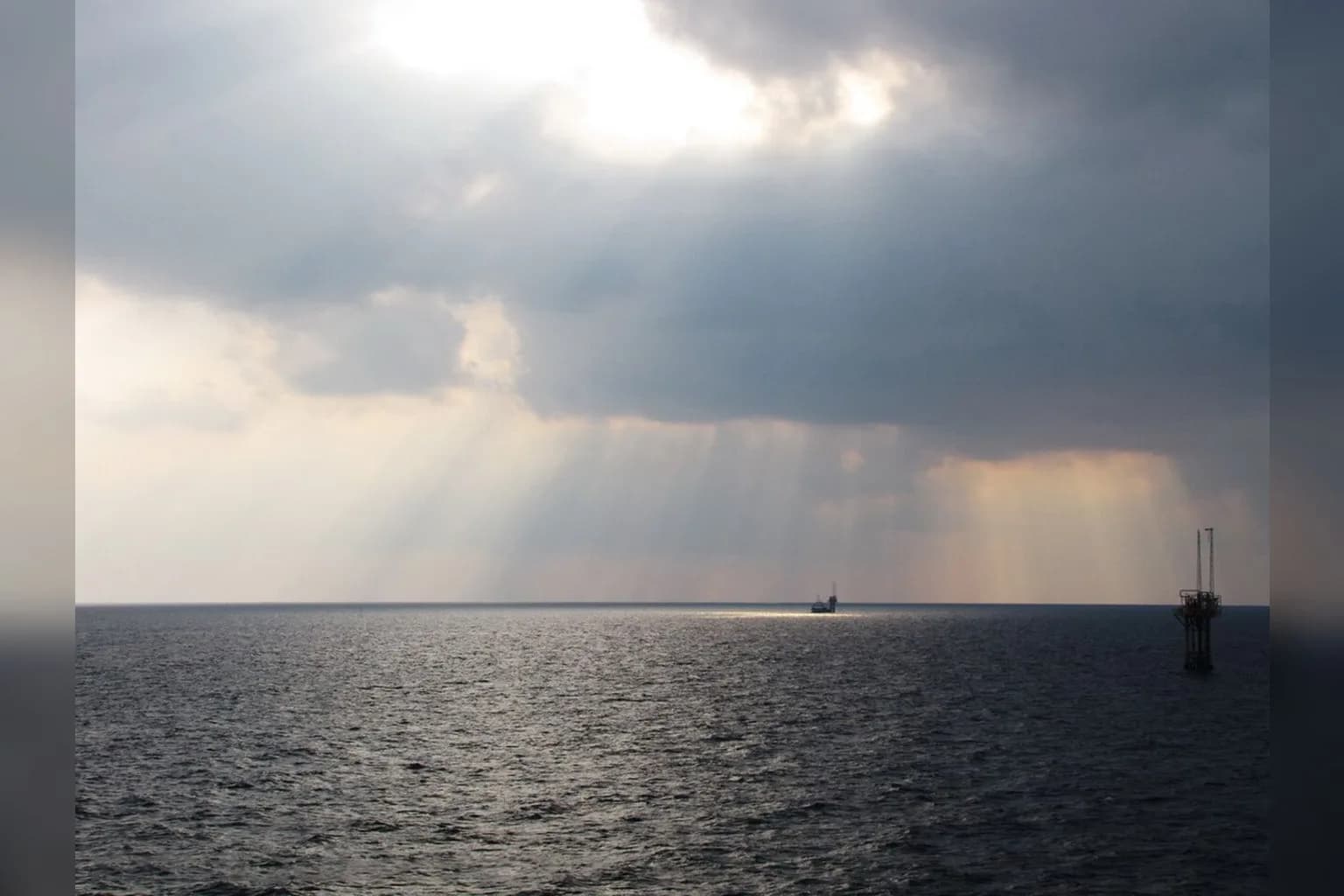
The Strait of Hormuz will remain closed unless Washington meets Tehran’s conditions, Mohsen Rezaei, secretary-general of Iran’s Supreme National Security Council, said on Thursday.
The latest exchange followed a letter Vice President JD Vance sent through Qatar late last month, proposing that formal negotiations resume. Iran responded by presenting Washington with what it calls a two-day plan, a condensed version of its seven-step proposal.
A senior Iranian official, speaking to Reuters on condition of anonymity, said Thursday that Iran had sent a proposal on its nuclear programme to the United States through Qatar. The official said the US was reviewing it.
Iran says negotiations on the nuclear issue can begin only after Washington has met seven demands. Those include lifting US sanctions, releasing frozen assets and paying what Tehran describes as war reparations.
Its core conditions also include lifting the US blockade on Iranian ports, suspending sanctions on Iranian oil sales, cancelling new sanctions and returning Iranian assets frozen abroad.
Iran proposed opening the Strait of Hormuz within two days and resuming peace negotiations on other outstanding issues if the US fully and explicitly fulfilled those conditions.
The US effectively rejected that proposal.
Mohammad Baqer Qalibaf, the Iranian parliamentary speaker, and other senior officials signalled that they would reject the US proposal.
Rezaei said US responses to Iran’s demands had “not been convincing”. He said the Strait would open only once Iran’s conditions had been met.
Mediators are actively working to prevent further conflict between Iran and the US after the midterm elections.


Comments (0)