
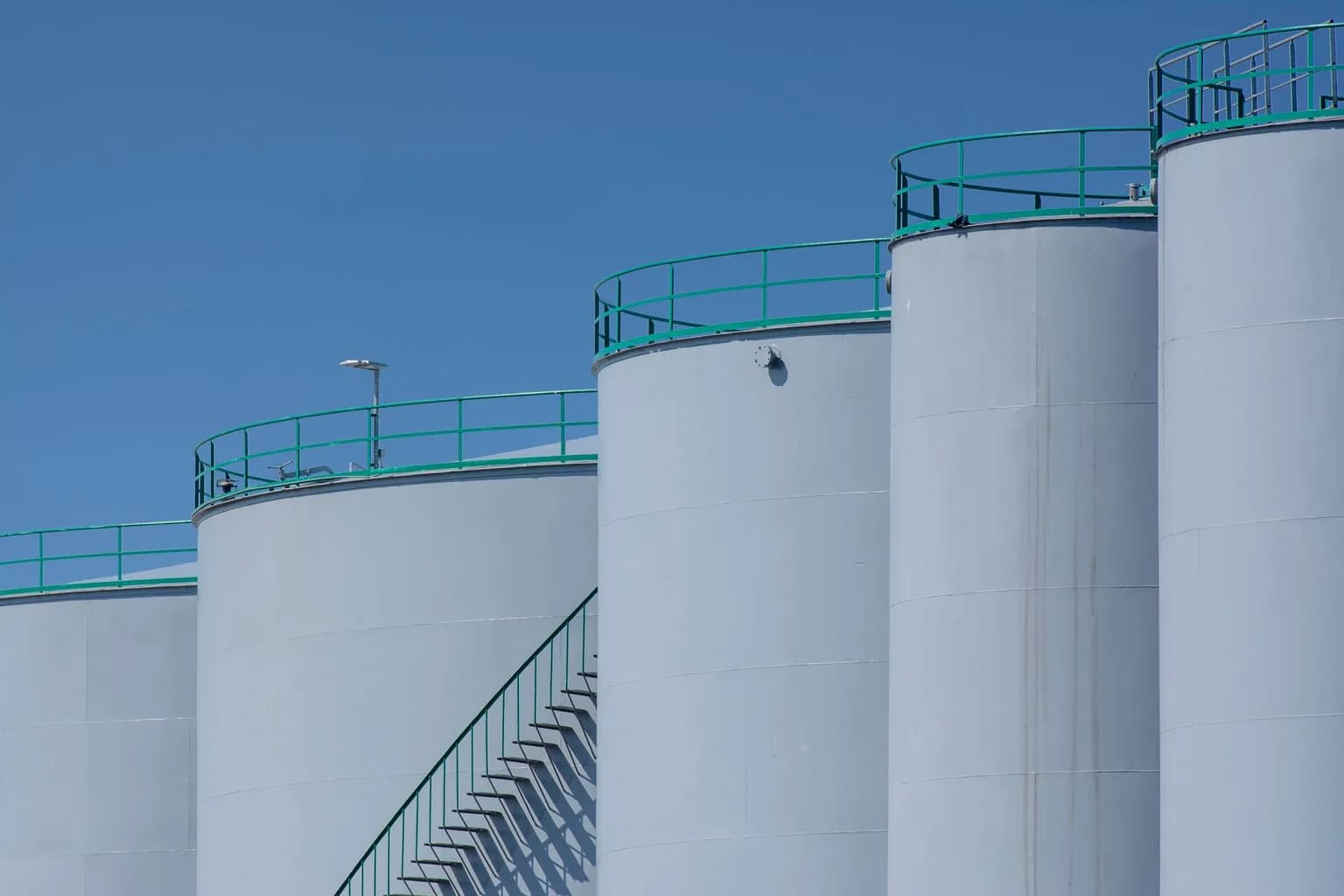
Germany’s households and industry face concerns over supply security if the coming winter is much colder than previous winters, with gas held in storage at record-low levels for the season.
The Iran war and its effect on prices have been the main driver of the lower stocks, making it uneconomical to fill storage caverns over the summer, according to the account of the market conditions.
As of 31 October, German gas storage sites were 61.17% full, missing the country’s 80% target for 1 November. Market-based storage was just under 61% of total capacity.
The shortfall had been visible earlier in the month. On 6 October, stores were 59% full, their lowest level for that date since at least 2014. In a normal autumn, Germany would be close to 89 per cent full by this point.
Germany’s facilities were 61.1% full as of 21 October, compared with 75.4% at the same time last year. On 15 October, the EU average was 74%, while Germany stood at 60%. Germany and the Netherlands together hold about a third of the EU’s storage space.
The German government has responded with a draft bill that would overhaul the storage system. It would replace mandatory storage requirements with a strategic reserve of 24 TWh, or 2.5 billion cubic metres.
The reserve would equal around 10% of Germany’s total storage capacity. It would be funded by a levy of €0.29–0.36 per MWh consumed by gas users. The average household would pay an additional maximum of €7.20 per year, while the government estimates that refilling the reserve would cost around €300 million annually.
Charges for the proposed system are due to begin on 1 October 2027.
Sebastian Heinermann, managing director of INES, the gas storage industry association, said the miss on the storage target showed that stronger guarantees were needed for future winters. “The failure to meet storage level targets shows that storage levels for coming winters must be guaranteed more rigorously.”
He said the Federal Ministry for Economic Affairs should move quickly on an obligation for suppliers. “It is therefore right and important that the Federal Ministry for Economic Affairs is open to the introduction of an obligation on suppliers. We must now discuss specific options for the design of a storage obligation at the earliest opportunity, so that it can be enshrined in law without delay.”
For this winter, Germany is securing additional supplies through contracts worth nearly €245 million to keep reserves on standby. THE, the operator, said special tenders intended to protect supply in February and March 2027 cost about €107 million. Approximately €137 million was allocated to standard tenders for possible grid bottlenecks.
Two startup electricity retailers, Grüün and Stromee, have announced that they would cease operations or leave the German market as surging wholesale prices amid the gas price rise put pressure on the industry. The government nevertheless says there is no risk of gas shortages during the winter despite the low storage levels.


Comments (0)