
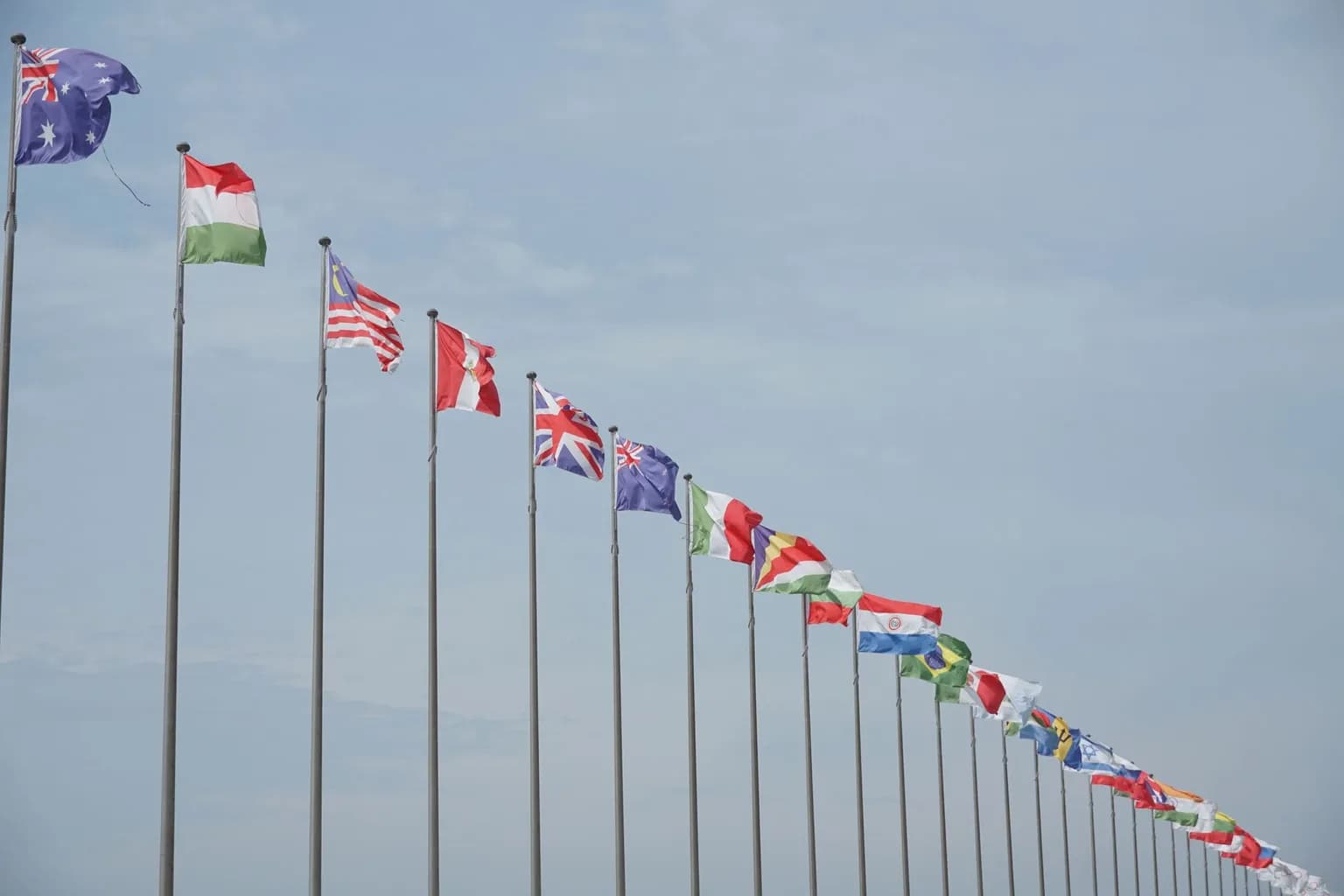
The G20 has left disputes over war, energy and maritime security unresolved, without a joint position on key crises confronting the group.
Disagreements over the Russia-Ukraine conflict, the US-Israeli war against Iran, US tariffs and China’s activities in the South China Sea prevented the ministers from agreeing a common position.
Marco Rubio, the US Secretary of State, chaired the two-day meeting in Atlanta, Georgia, opening it with a call for unity amid what he described as a difficult international environment. Divisions over Russia’s war with Ukraine and Middle East tensions overshadowed its start and shaped its outcome.
Rubio said members shared a “universal recognition” of the importance of critical minerals, supply-chain security and freedom of navigation. Yet he also said: “I wouldn't pretend to you today that we are close to finding universally accepted solutions to these problems”.
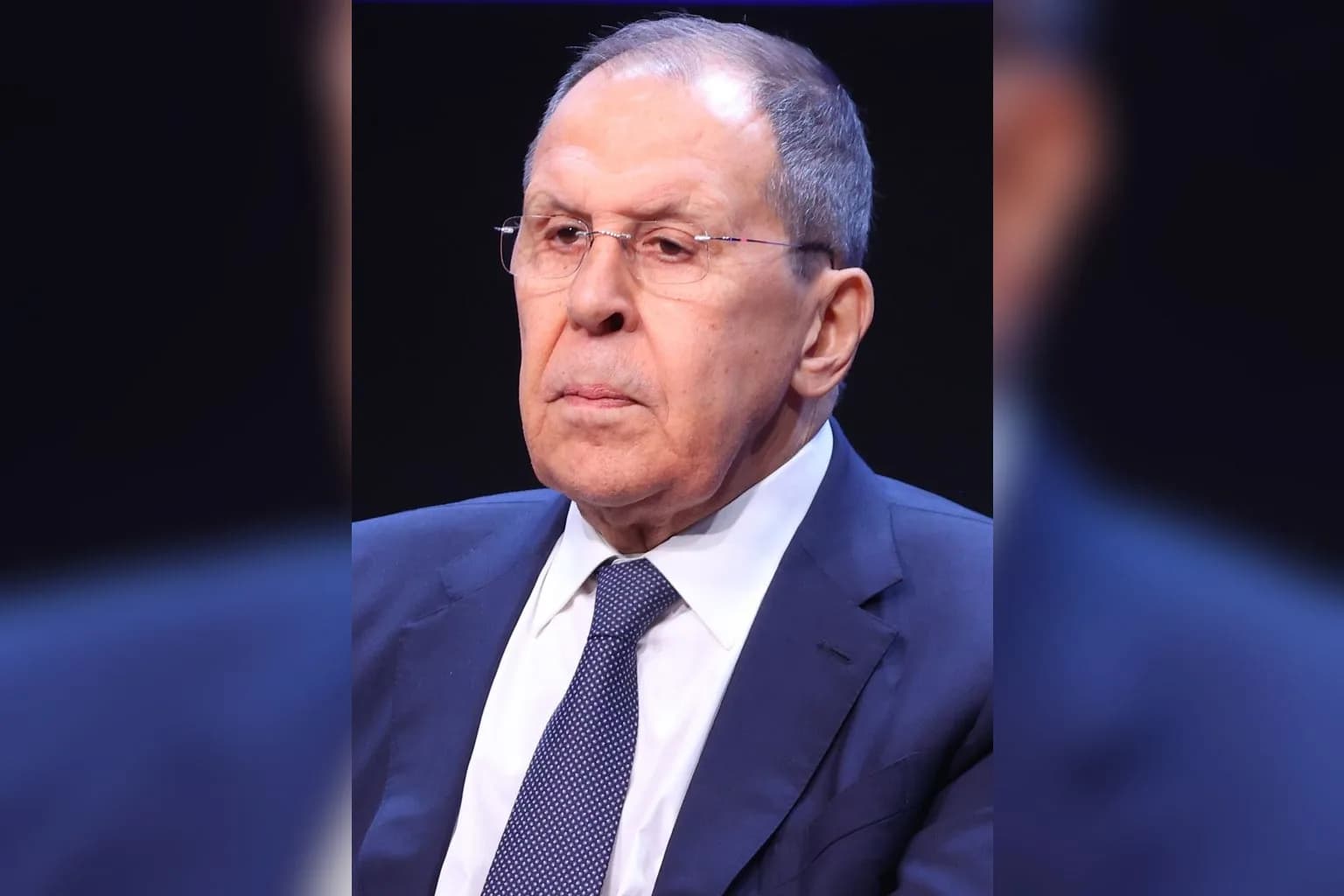
Sergey Lavrov, Russia’s foreign minister, attended and maintained Moscow’s position on the war. He said Russia would not accept a situation in which Ukraine posed a military threat to what he described as the Russian Federation’s legitimate security interests.
European diplomats objected to Lavrov’s inclusion in the traditional group photograph and threatened to boycott it or walk out. Rubio then cancelled the photograph, a gesture that reflected the ministers’ inability to present a united front.
Radosław Sikorski, the Polish foreign minister, was attending the G20 ministerial meeting for the first time as a guest. He said he was unsurprised by the failure to reach consensus, arguing that the presence of countries involved in ongoing wars made a common position difficult.
The meeting concluded on Saturday without agreement on the conflicts in Iran and Ukraine, sky-high oil prices, tariffs and China’s activities in the South China Sea. Instead of issuing a joint communique, it released a chairman’s statement that made no mention of agreements reached.
Rubio also met separately on the sidelines with Prince Faisal bin Farhan, the Saudi foreign minister, and Hakan Fidan, the Turkish foreign minister. The Quad, comprising Australia, India, Japan and the US, met separately to finalise preparations for a summit in the Philippines. Rubio said the Quad was not an “anti-China” coalition, while saying it was concerned about Beijing’s “behaviours” and “activities”. China’s embassy in Washington said Beijing opposed “forming exclusive groupings or engaging in bloc confrontation”.
The final G20 event turned to freedom of navigation in the Strait of Hormuz and the Red, Black and South China seas. Participants agreed to try to overcome their differences before the G20 leaders’ summit, which President Donald Trump is scheduled to host in Miami, Florida, on December 14 and 15.
Comments (0)