
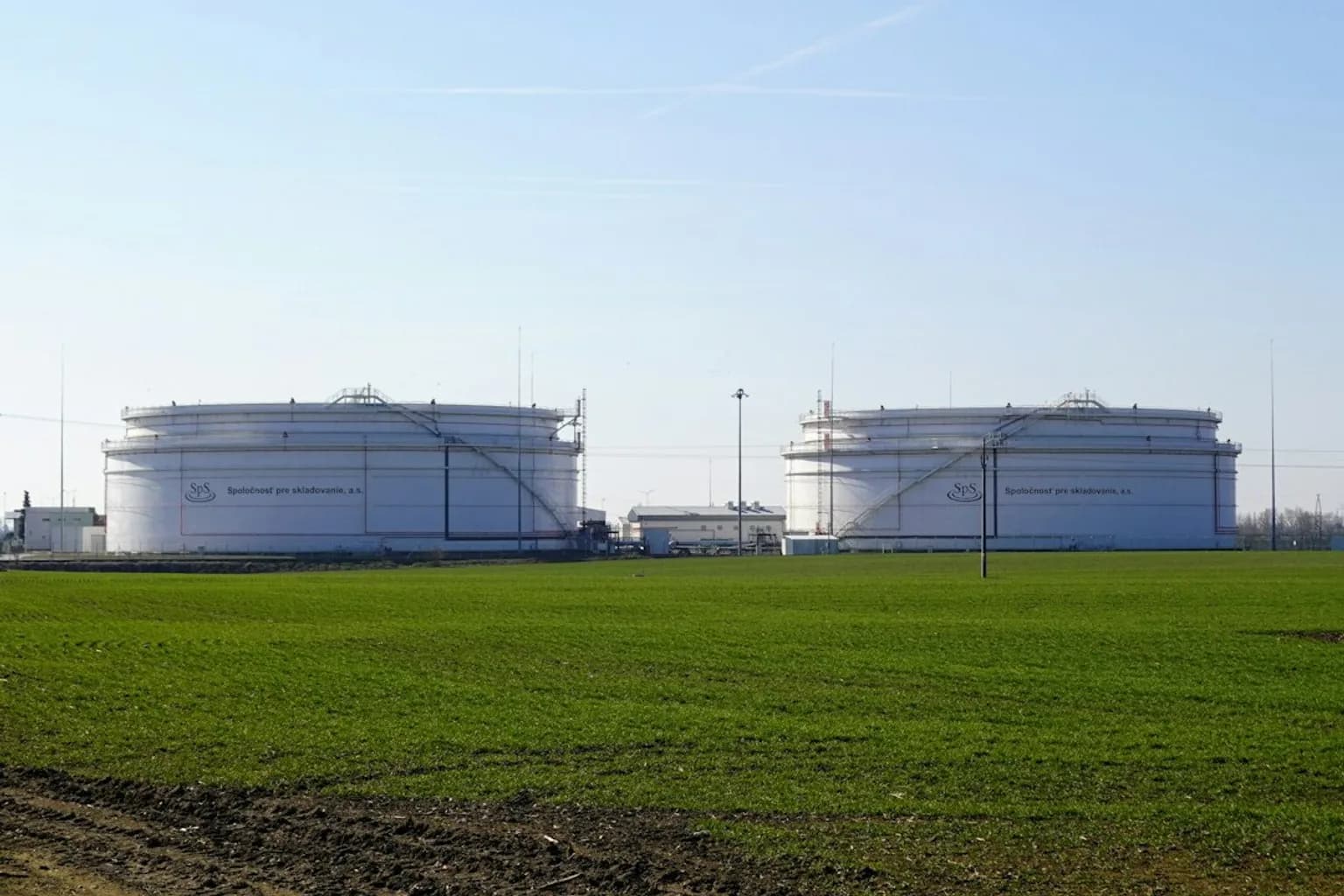
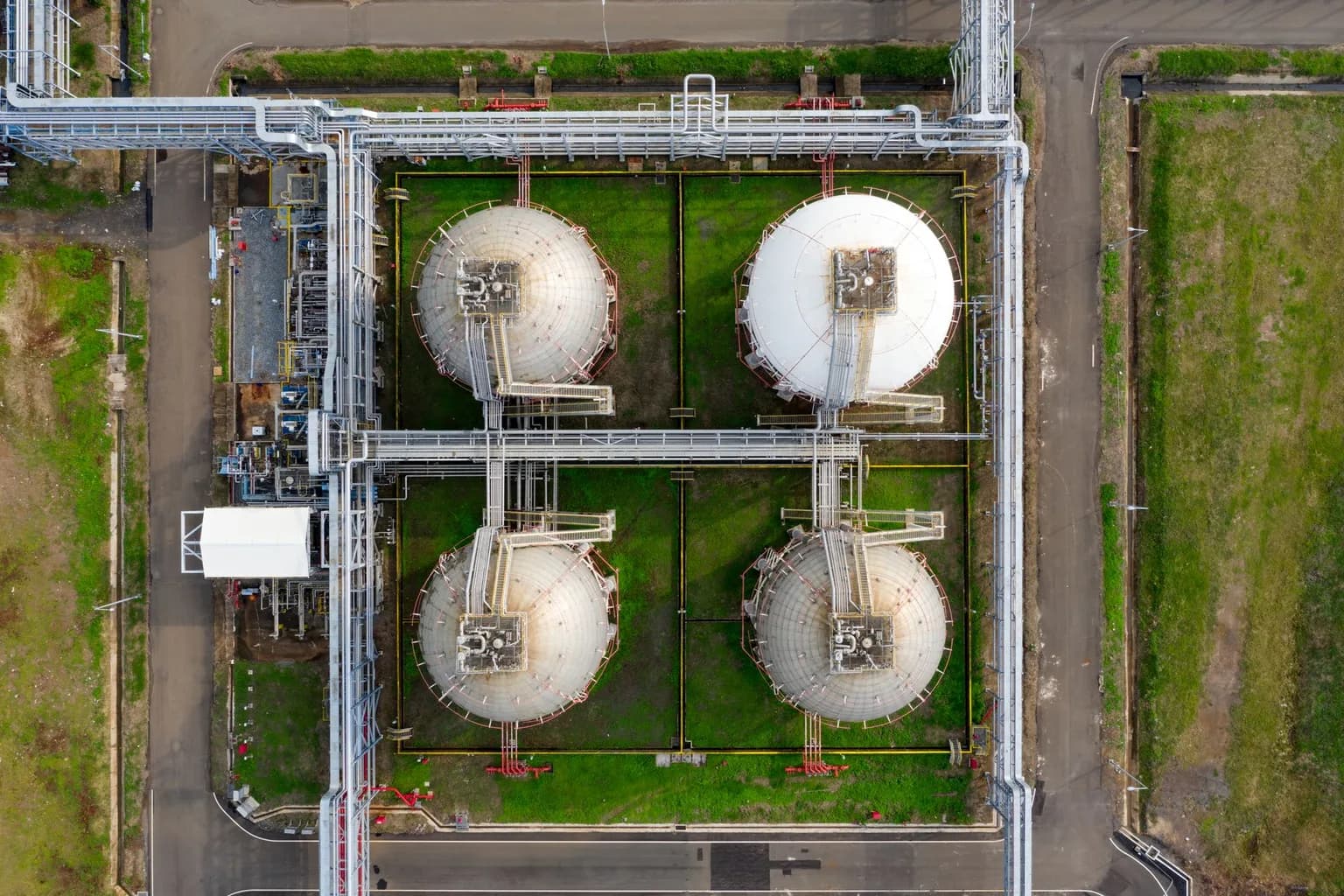
French President Emmanuel Macron chaired a videoconference of G7 leaders that ended with a plan to draw 100 million barrels of oil, including diesel, from strategic reserves. France holds the G7’s rotating presidency, and the International Energy Agency will run the operation.
Supplies are set to start being released immediately over four months. A “substantial” quantity of diesel is scheduled for the first 20 days.
The intervention follows eight months of fighting between the US and Iran in the Middle East. The conflict has tightened oil supply and sent diesel prices higher around the world.
UK average diesel prices crossed £2 a litre for the first time on Friday, reaching 200.01p. That was above the previous record of 199.09p, set in June 2022.
In the talks before the agreement, the US urged European countries to put more diesel reserves on the market and floated limits on US diesel exports. France’s proposal paired 50 million barrels of European diesel reserves with 50 million barrels of crude from International Energy Agency members.
Donald Trump, the US president, said on social media and Truth Social that the diesel release would happen “immediately”. He told Fox News that he was “thinking about it very seriously” when asked about a US diesel export ban. Trump later said a ban was “never really on the table” and described the G7 agreement as “a great thing”.
The G7 includes Canada, France, Germany, Italy, Japan, the UK and the US, alongside EU representation. Members also agreed to “refrain from” steps that would limit their trade in oil products with one another.
They also plan to align refinery maintenance timetables, limiting the risk of capacity going offline at the same time. Where possible, they will temporarily lift utilisation rates.
Ed Miliband, the UK foreign secretary, represented Andy Burnham on the G7 call on Friday. “Today members have agreed coordinated measures to stabilise energy supplies, build resilience in supply chains and shield households and businesses from price shocks,” he wrote on X.
Markets moved quickly once the additional supply was expected. Brent crude fell by roughly 3% to $99.25 a barrel and went below $100 per barrel on Friday. US benchmark West Texas Intermediate dropped by more than 4% to $88.92, while European gasoil fell by about 4.3% to $1,386.75 a tonne.
Over the week, Brent was down about 4.7% and WTI about 3.7%.
If divided evenly across four months, the release would equal roughly 830,000 barrels a day. The International Energy Agency coordinated a previous record emergency release of 400 million barrels in March.
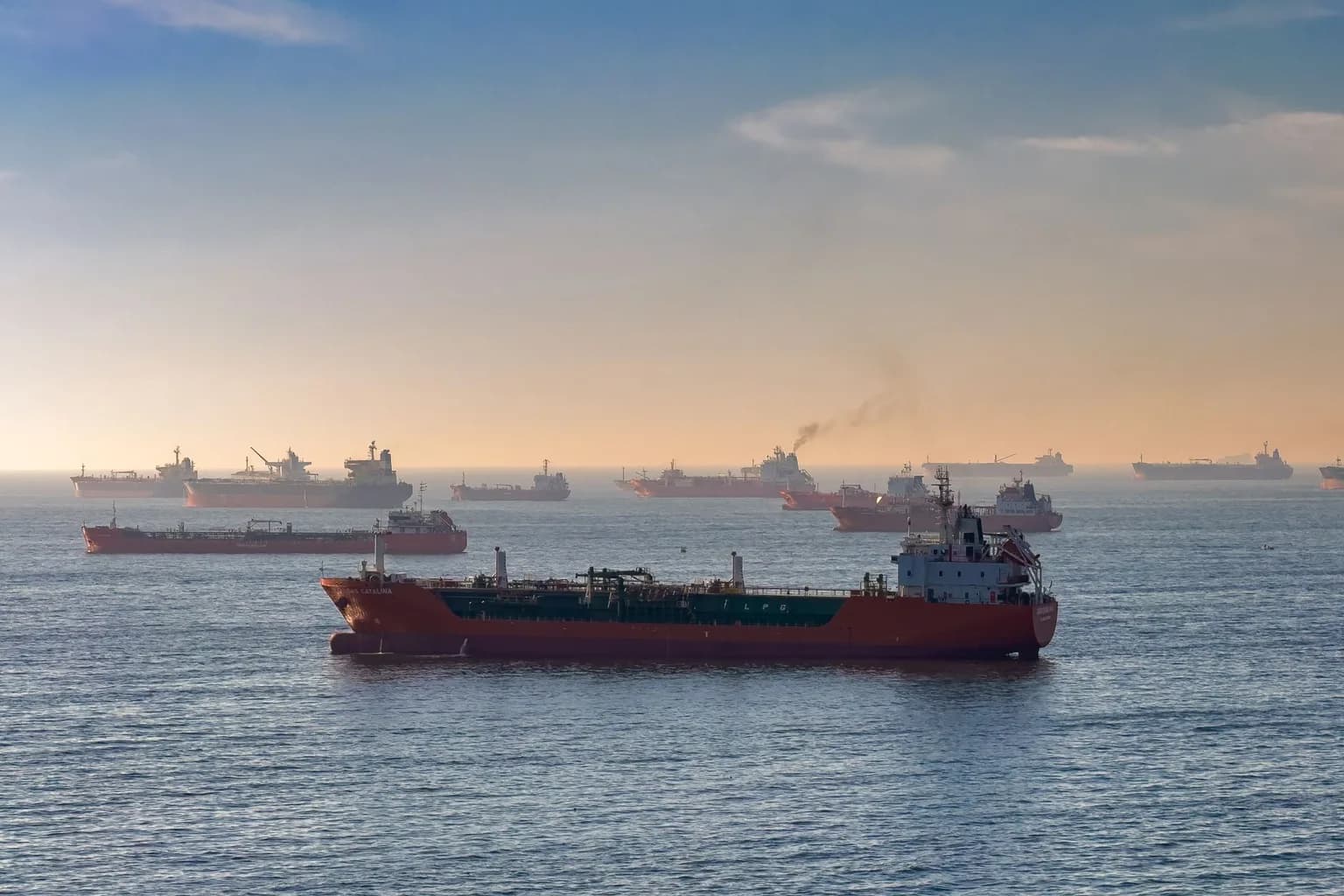
July refinery throughput worldwide was almost five million barrels a day below the level of a year earlier. Diesel exports from Russia, the Middle East and Asia were about 1.3 million barrels a day lower year on year, representing roughly 20% of global seaborne diesel trade.
In August, the International Energy Agency said observed global stocks had declined by about 410 million barrels since the war began, with an average drawdown of 2.7 million barrels a day.
Barclays has raised its fourth quarter forecast to $115, citing shrinking inventories and restricted Gulf flows. Analysts say the G7 release is likely to provide only short-lived relief.


Comments (0)