
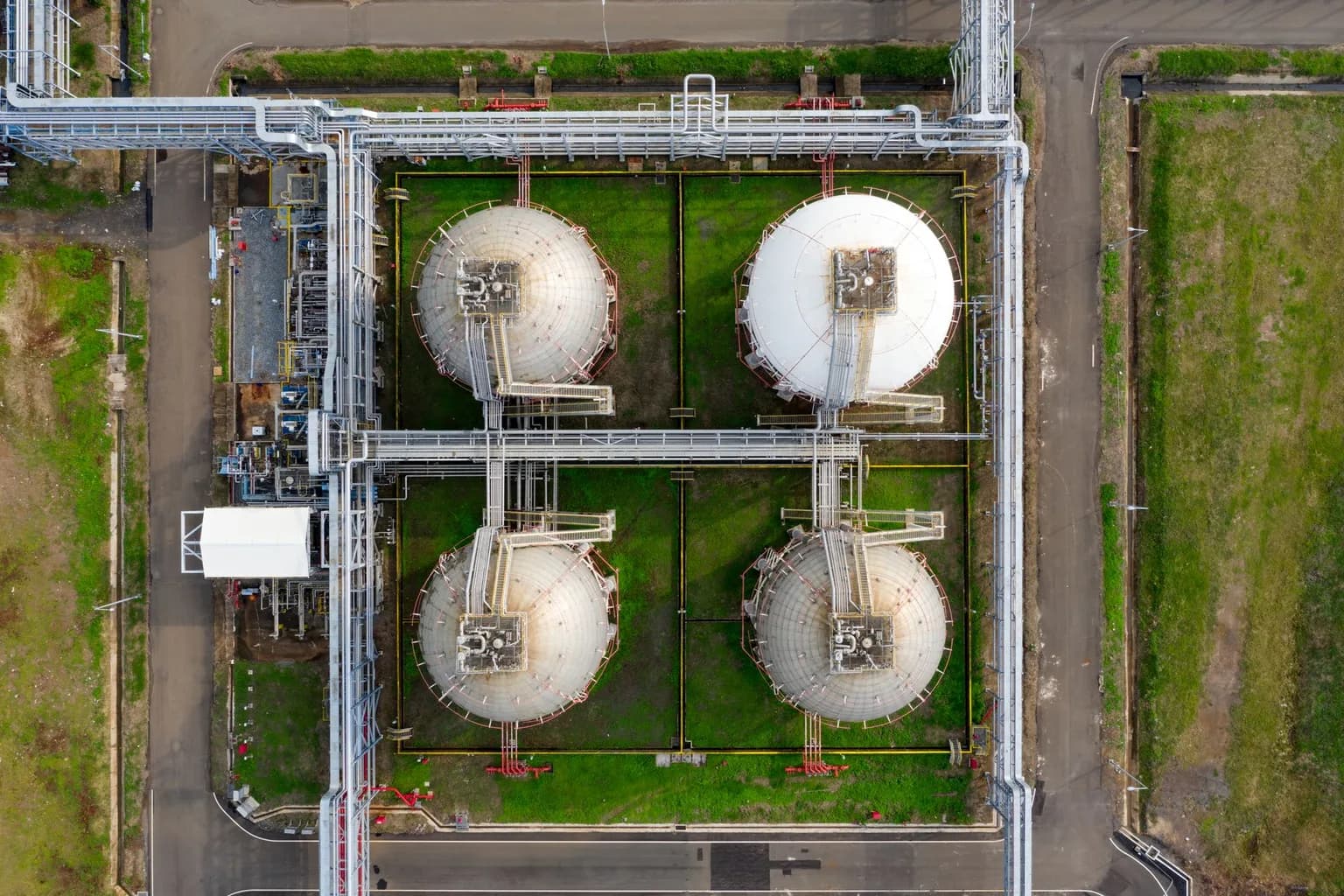
Fatih Birol said oil prices were beginning to fall after Group of Seven leaders agreed to release 100 million barrels of emergency oil and diesel reserves. Speaking at a press meeting in Istanbul, the International Energy Agency’s executive director said: “Prices are starting to fall”.
The agreement came after fuel prices surged during the Iran war, adding to pressure on energy markets and inflation. The IEA announced on Friday that it would release 100 million barrels of oil and fuel reserves.
Birol said the leaders had agreed to act on diesel. “We took a step today on diesel. We held a meeting with world leaders and announced that we would start releasing 100mn barrels of oil again”.
The reserves will be released through the IEA over four months, with diesel frontloaded in the first 20 days. The US President, Donald Trump, cheered the decision and dropped his threatened diesel export ban.
Markets had already moved on reports of European talks on further releases. Oil prices fell more than $3 and European gasoil futures dropped over 4% on Friday. After the IEA announcement, oil prices fell by around $5.
Birol said diesel prices had doubled compared with before the war, and warned that the increase would put pressure on inflation figures around the world.
There is ample reason for caution about what the release can achieve. In March, conflict prompted what the IEA described as the biggest emergency stock release in its history. Its members agreed to release 400 million barrels, yet prices later rose above $100 and, earlier this week, Birol said about a third of that volume had still not reached the market.
The IEA has described 426 million barrels pledged in 2026 as “by far the largest ever”. Euronews reported that Iranian strikes outweighed the record release that year.
Barclays has raised its fourth-quarter Brent forecast by $20 a barrel to $115, while lifting its 2026 forecast to $100 a barrel.
Birol said the agency would determine how the new release was distributed after consulting its members. “We will finalise distribution once we have consulted with member states, we have enough reserves and can release more if necessary”.
He said 80% of the agency’s overall stocks were “still in our pocket”. At the meeting, hosted by Turkey’s Banks Association Chairman Alpaslan Cakar, Birol said: “Allah willing, it will be enough, and I hope Hormuz opens to traffic as soon as possible and peace is established there, but if this does not happen, we still have a lot of stocks”.
The IEA says such releases are intended “to mitigate the negative economic impacts of a supply shock, and not as a tool to manage prices”. The immediate market fall offers one measure of the decision’s effect. The larger test is whether the barrels reach buyers quickly enough to ease diesel costs while the route through Hormuz remains uncertain.


Comments (0)