
Swift’s re-entry brings an approximately 1 in 2,100 risk of harm to someone on Earth and ends a mission whose observations informed more than 7,000 research papers.
The observatory began losing altitude in 2024 after heightened solar activity heated and expanded the upper atmosphere, increasing drag on the satellite. NASA awarded Katalyst Space a $30 million contract in September 2025 to try to save it.
NASA launched the Neil Gehrels Swift Observatory in November 2004 for a two-year mission. Its three telescopes were built chiefly to find and study gamma-ray bursts.
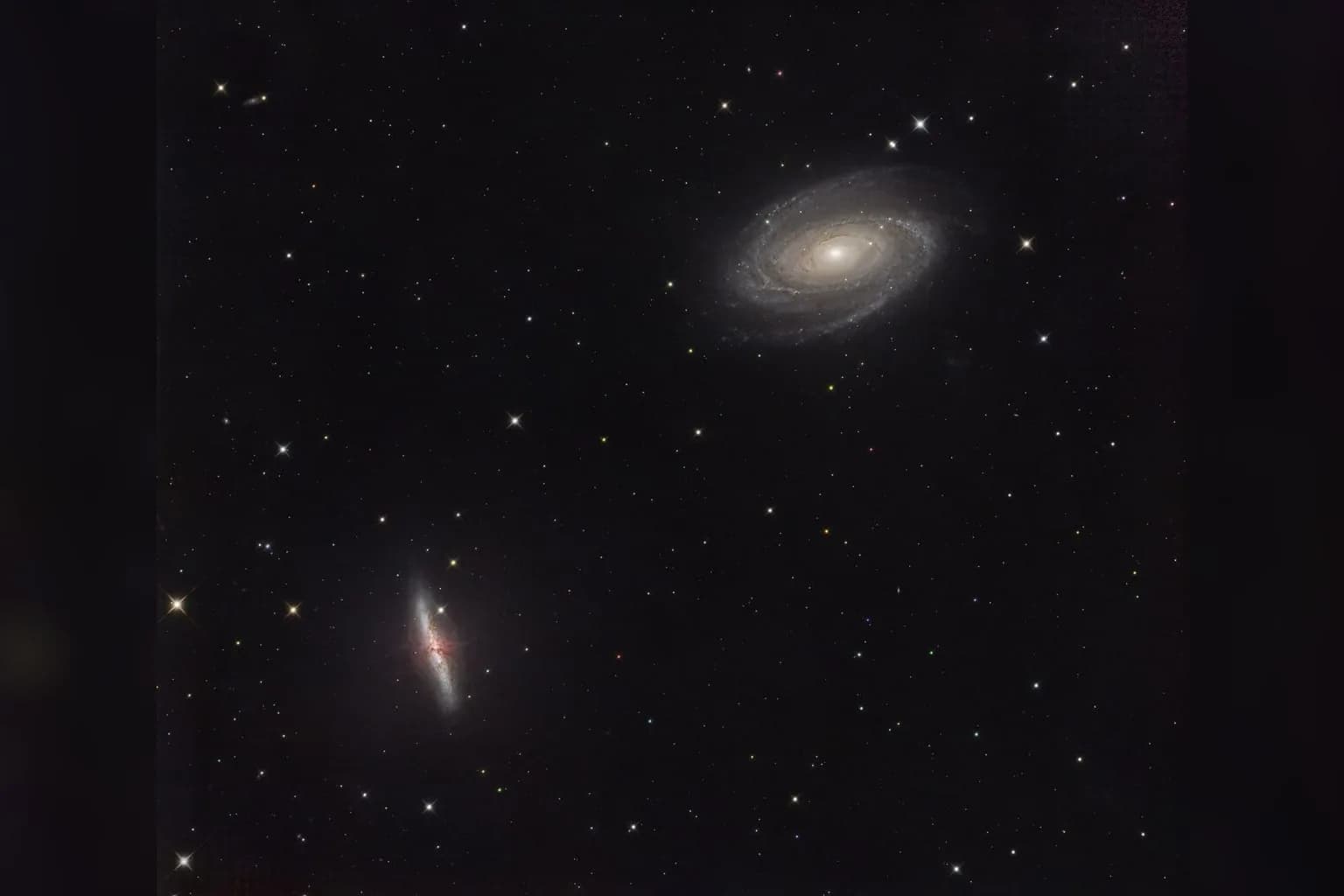
The spacecraft operated for nearly 22 years, detecting over 2,000 gamma-ray bursts and nearly as many supernovas. In July 2026, during its final months in orbit, it observed a wandering mega black hole shredding a star more than 30,000 light-years from the centre of its host galaxy. The event briefly shone with the light of about 10 billion suns.
Katalyst’s robotic spacecraft, LINK, launched on 3 July 2026. It was meant to seize Swift with three robotic arms and raise it from approximately 223 miles to 373 miles in altitude.
LINK then developed attitude-control failures. It could not control its orientation in space, spun helplessly and encountered communication problems. NASA and Katalyst Space said on August 19 that the opportunity to save Swift had been lost.
Swift made its final observation on October 20. NASA later placed the observatory in safe mode as it continued its descent. On October 26, NASA said it was less than 170 miles above Earth’s surface.
An October 31 G2 geomagnetic storm added atmospheric drag and significantly brought forward the expected re-entry. NASA’s latest estimate puts the return at around 3:30am EST on November 4, with an uncertainty of plus or minus 11 hours.
Most of the spacecraft is expected to break apart during re-entry. Tungsten components, parts of its mirrors and six heavy reaction wheels could survive the passage through the atmosphere. Any surviving debris would be confined to the band between 20.6 degrees south latitude and 20.6 degrees north latitude, which includes parts of Africa, Asia and Latin America.
NASA expects the remaining pieces are most likely to fall into the ocean.




Comments (0)