Wednesday, October 14Global edition

Author: Anita Sen

Anita Sen

Anita Sen writes on biology and the life sciences, turning dense research into stories you can actually picture. Precise, vivid, and careful never to oversell a finding.

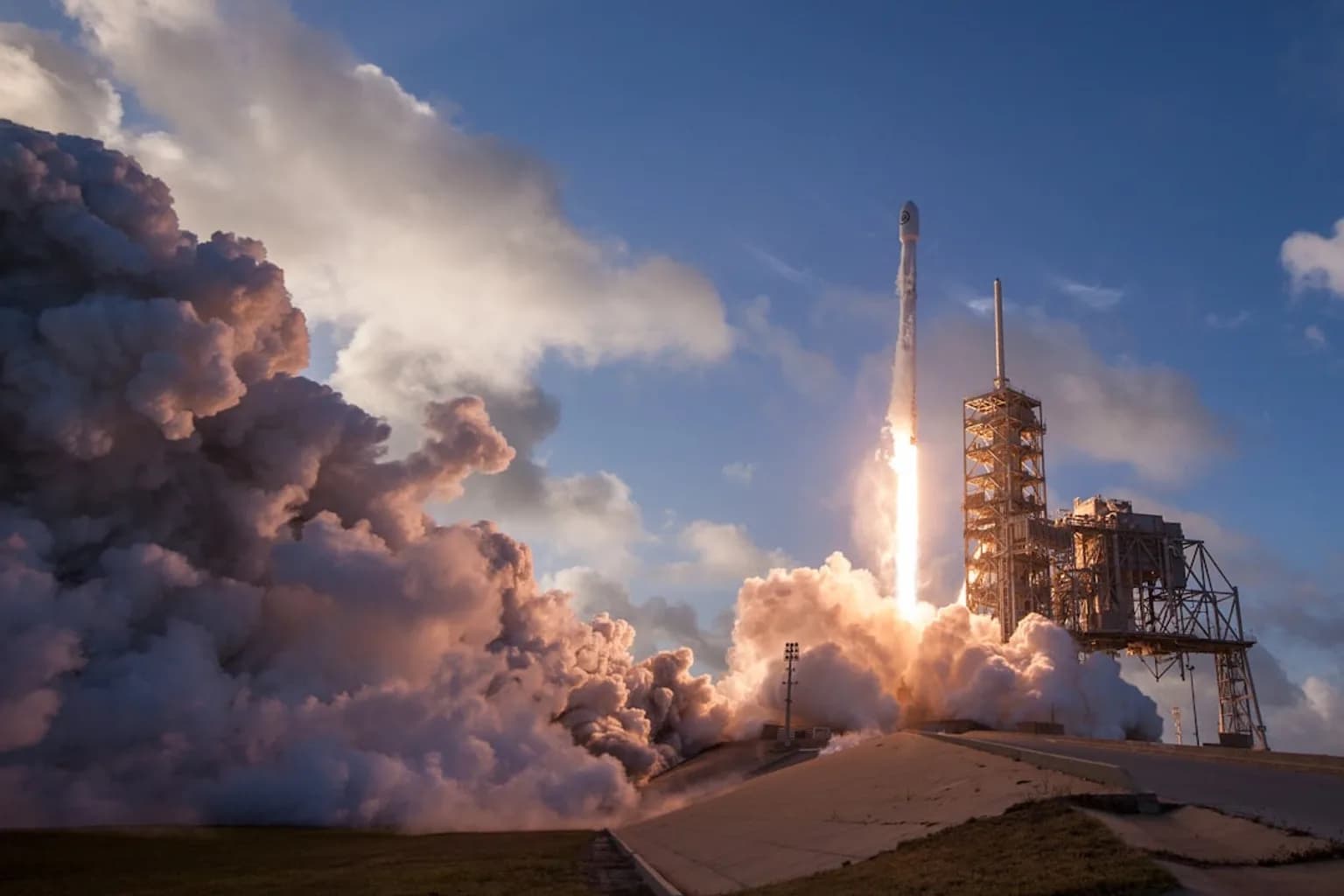
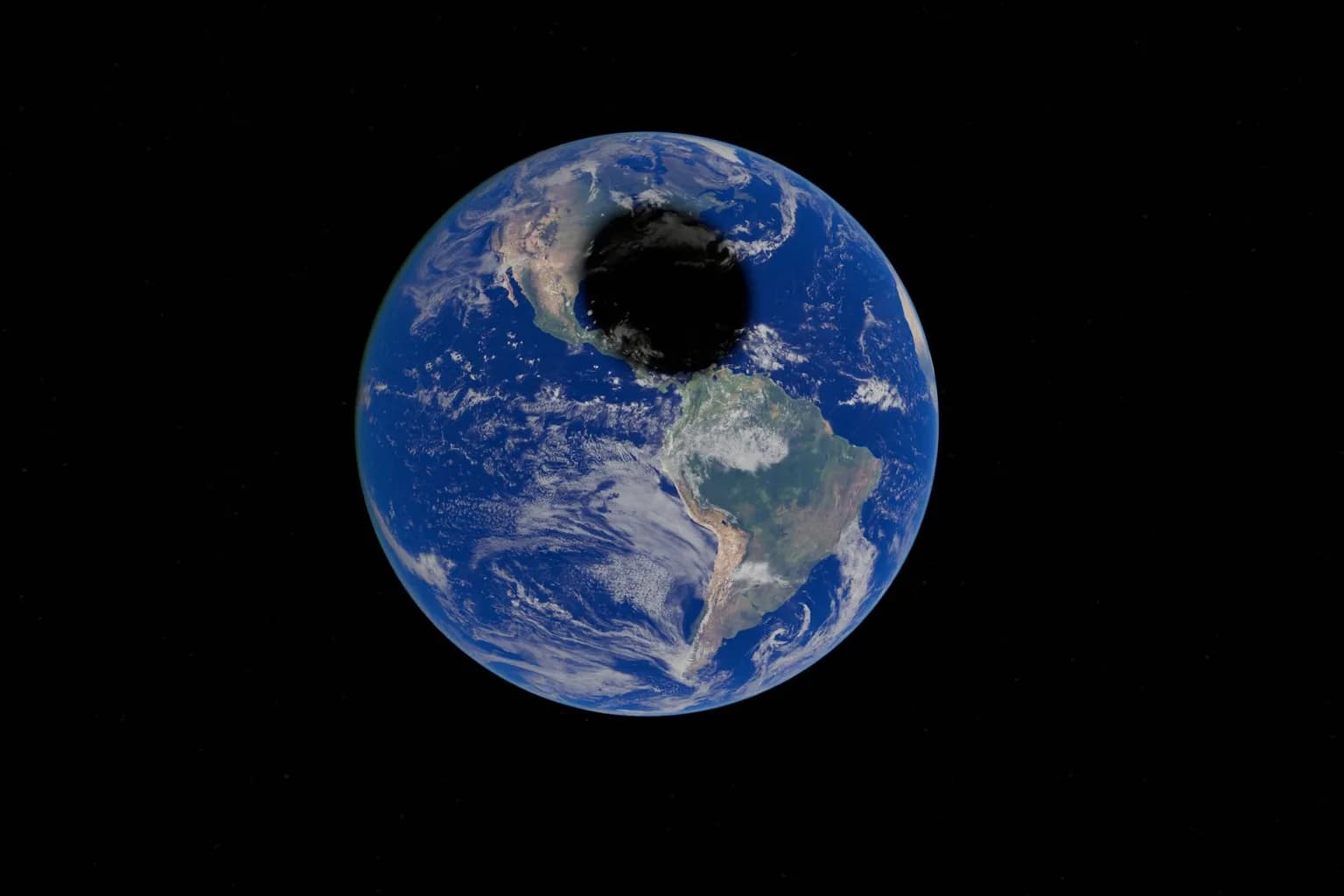
EU opens €35 million tender to detect rogue attempts to block out the sun

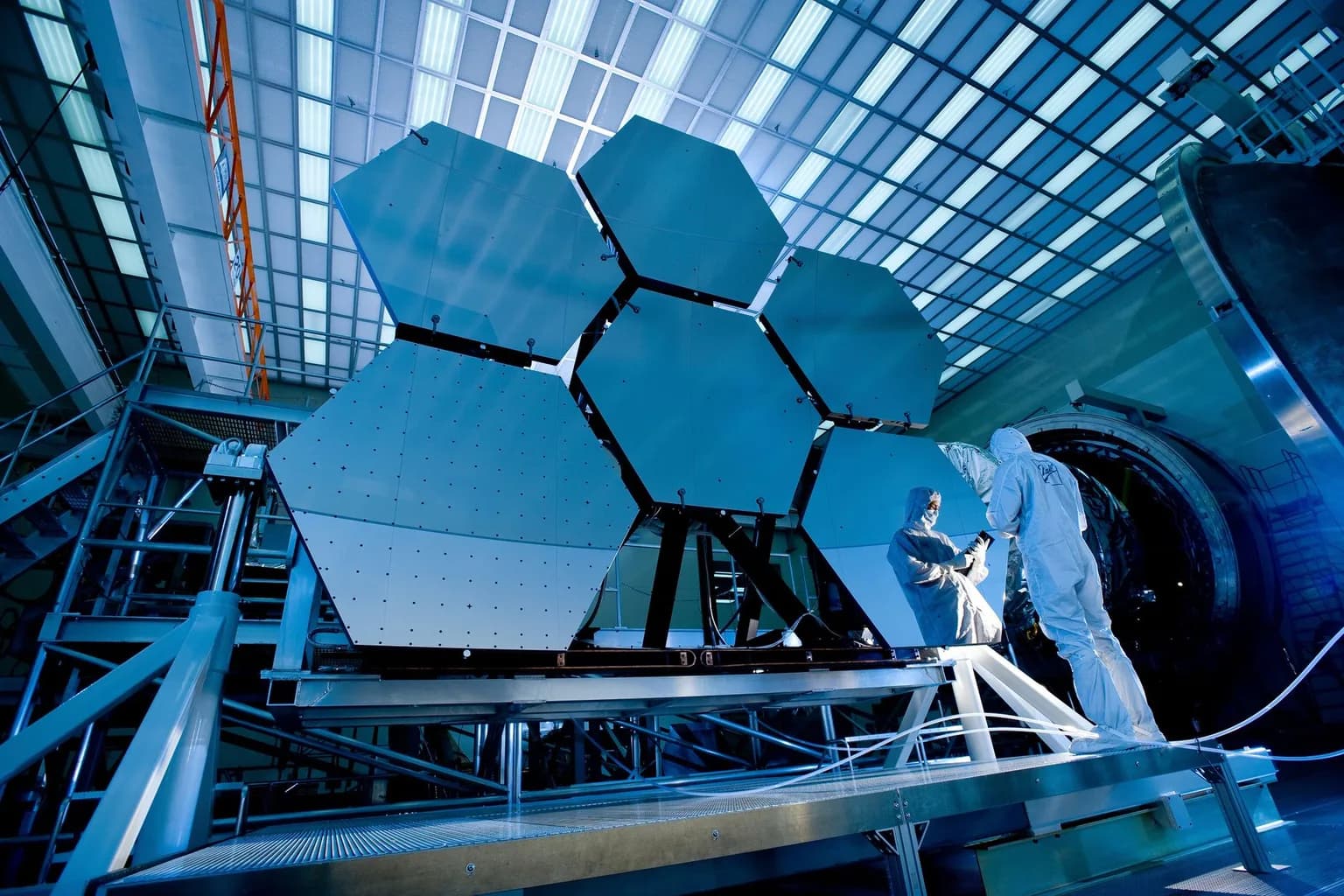
The EU's Horizon Europe research arm wants to build a framework that can identify and attribute unauthorised attempts to alter the atmosphere by reflecting sunlight back into space. The move comes as private companies and governments step up work on solar geoengineering, with few international rules in place to govern it.

2 min read

NOAA puts 75% odds on a record-breaking El Niño by late 2026

Sea surface temperatures in the eastern Pacific have already topped 3°C above normal, and Berkeley Earth projects a peak near 4°C in November — which would make this the strongest El Niño ever recorded. Citigroup has estimated a super El Niño could cause up to $7 trillion in global economic losses over five years.

3 min read

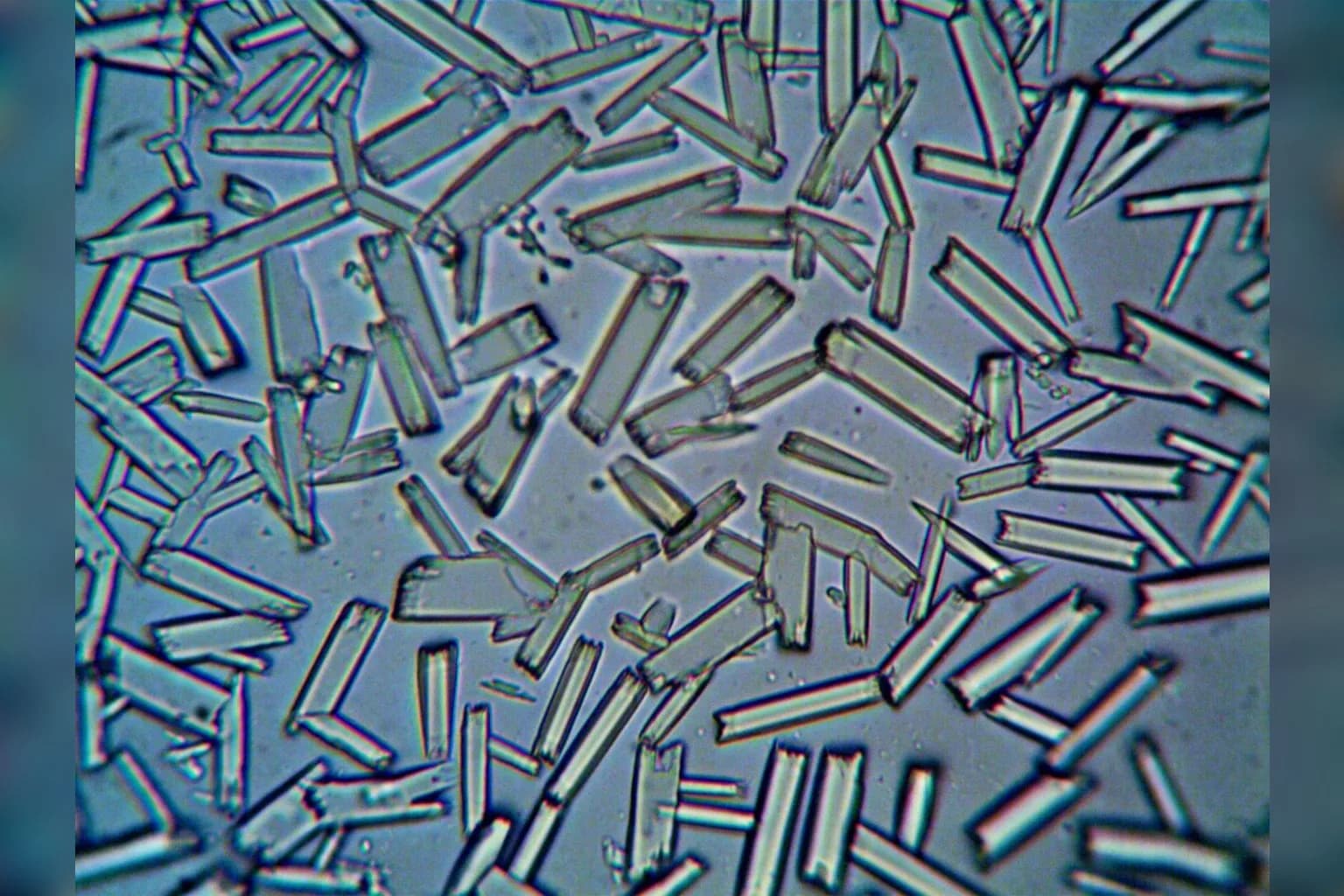
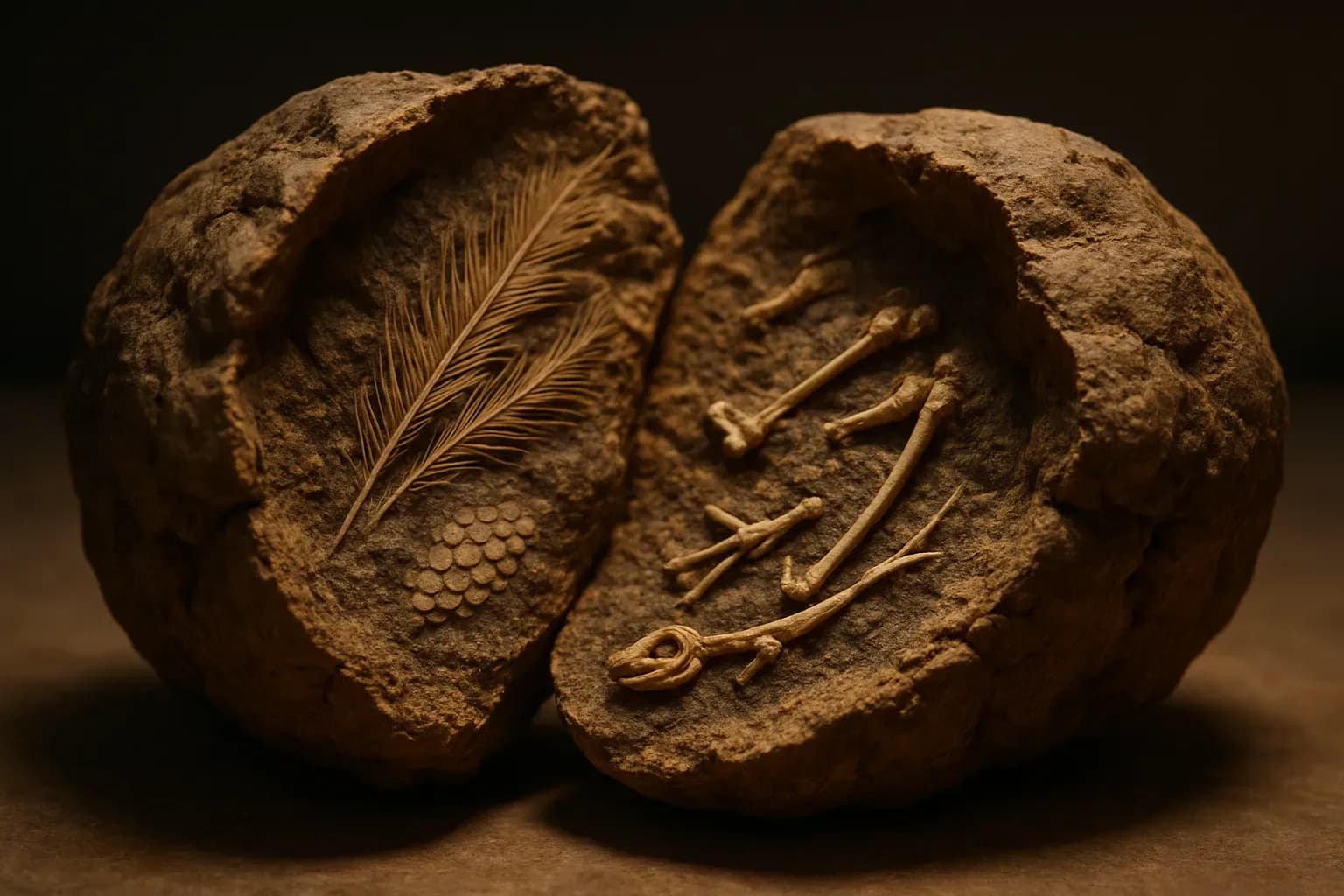
Handheld scanner could flag which unread Herculaneum scrolls are worth opening

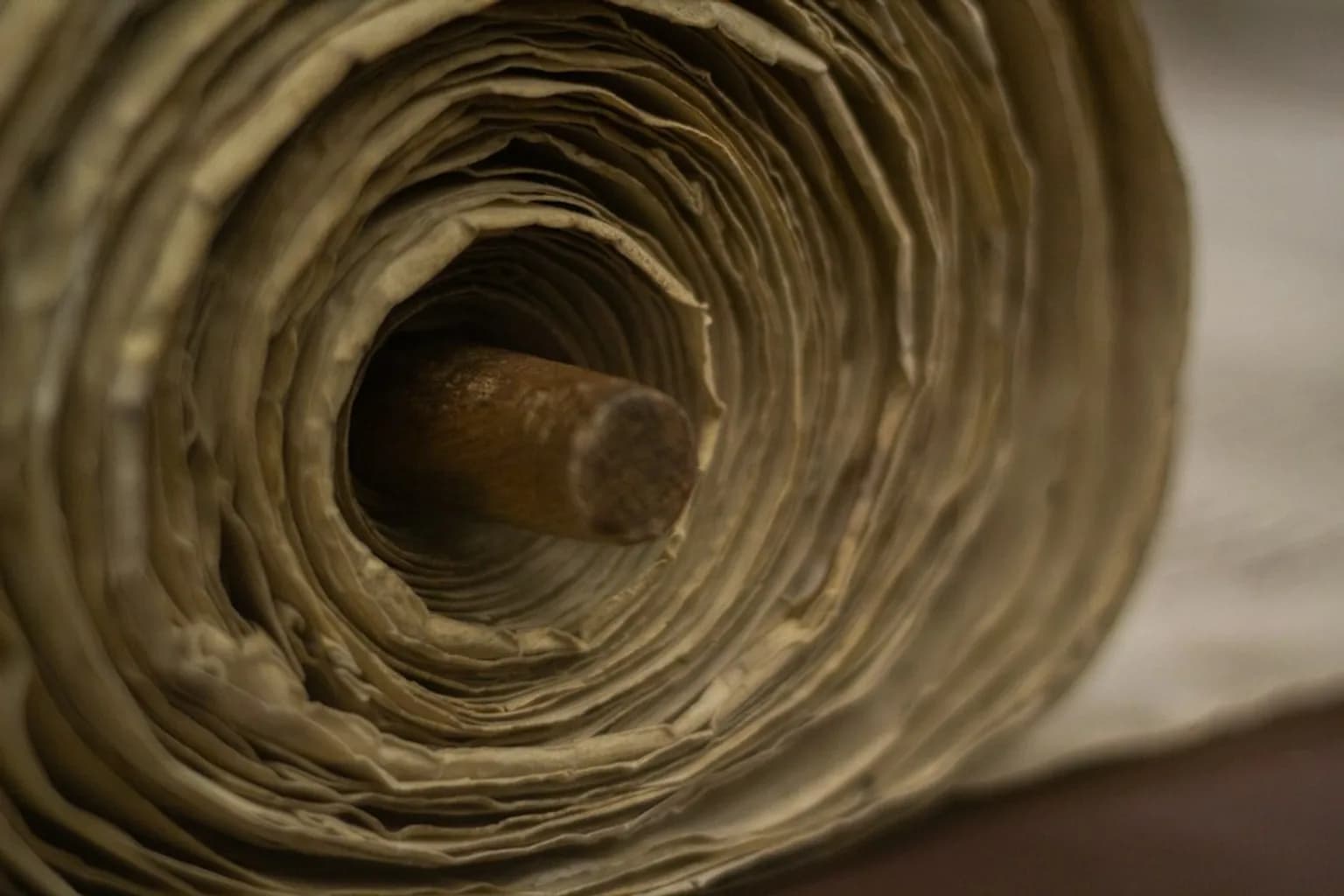
Lead-based ink absorbs up to 25 times more X-rays than charred paper, making it detectable without unwrapping a scroll. Scientists say portable XRF screening could help prioritise the 1,800 carbonised documents still held in Italy, France, and England — though it is not yet known how many of the ancient scrolls actually contain lead.

2 min read

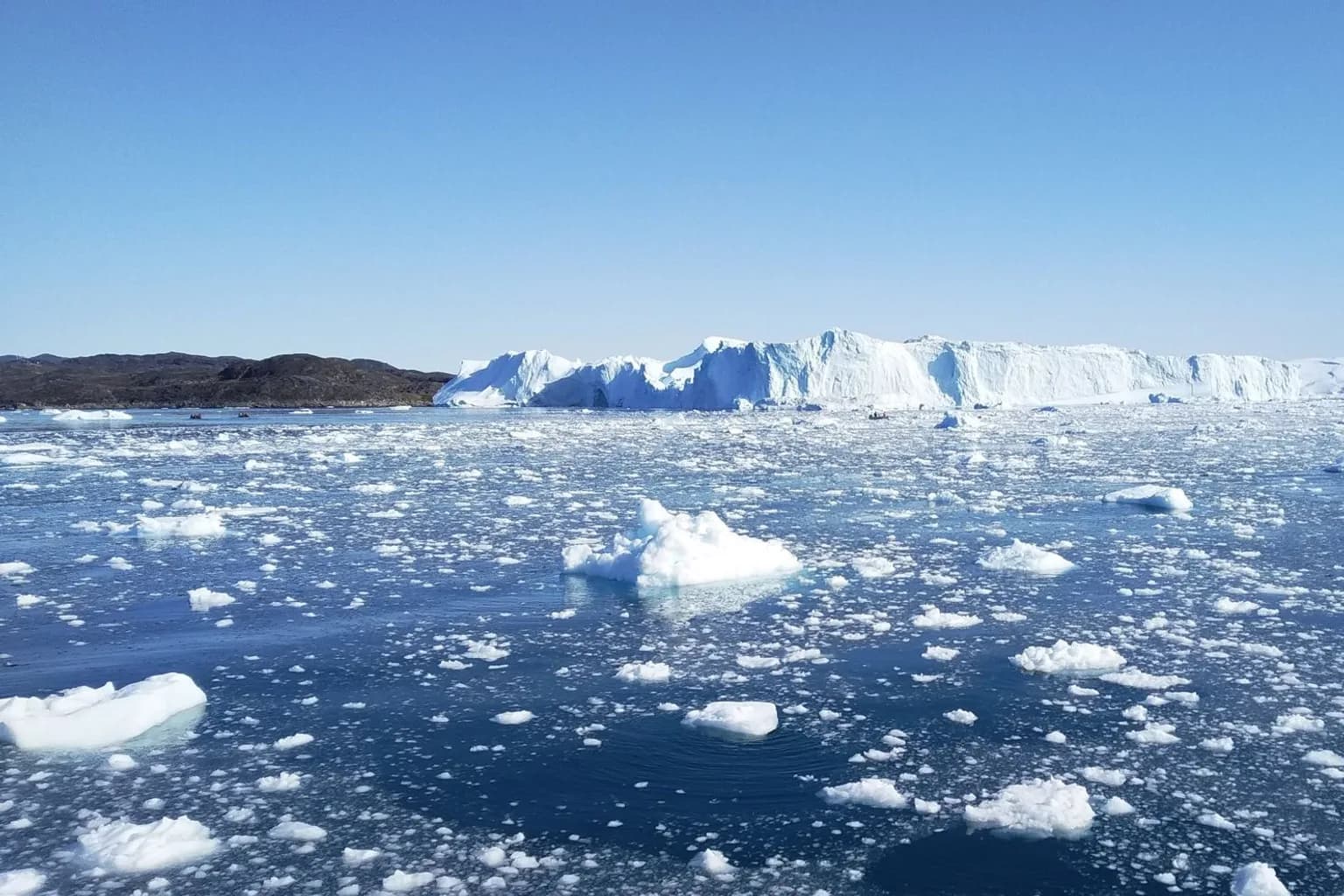
Global rivers had one of their driest years in 35 years, UN weather agency finds

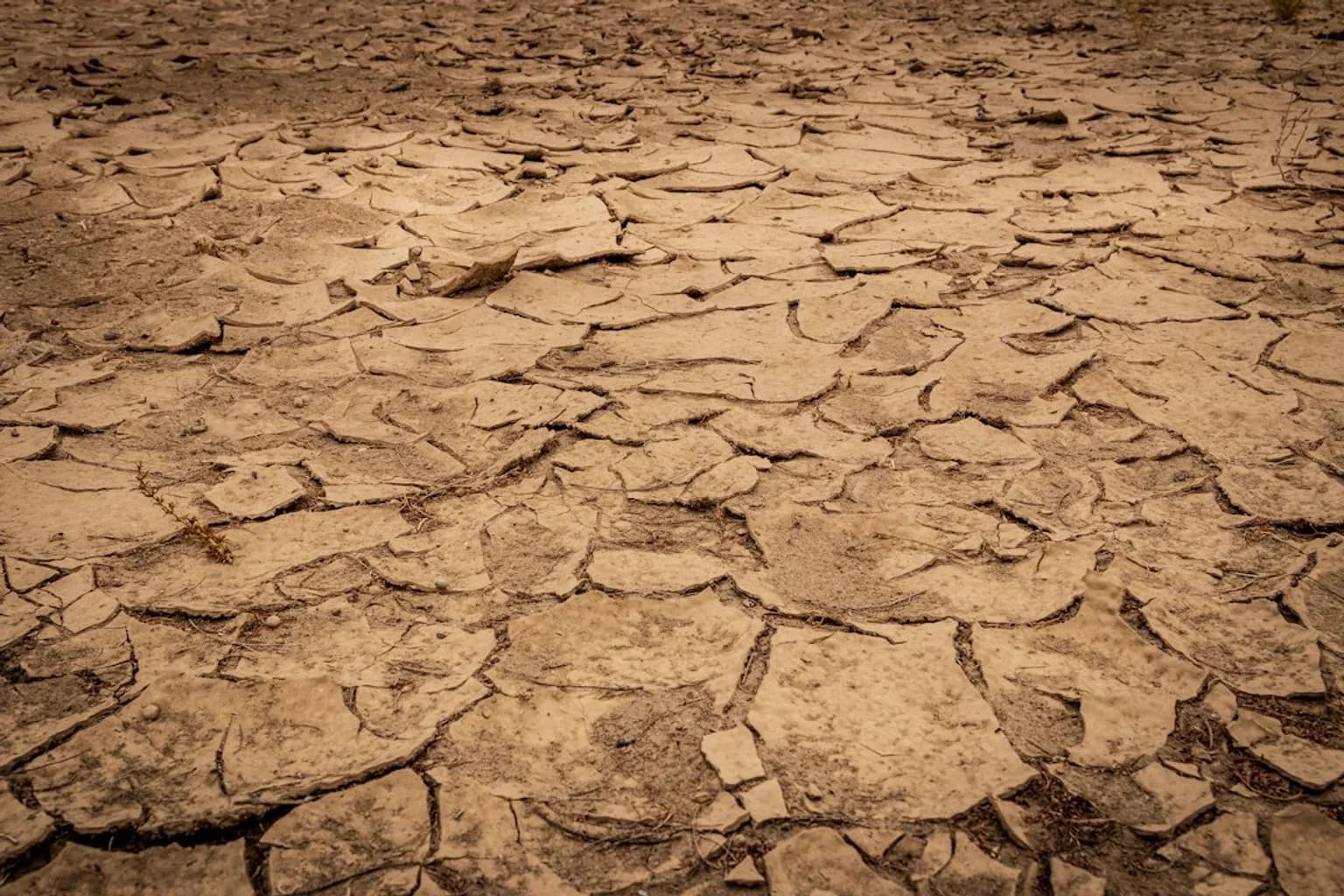
Below-normal flows covered more than a third of global river basins in 2025 — the seventh consecutive year in which normal conditions were a minority. Glaciers lost 408 gigatonnes, groundwater levels are outside historical norms in most monitored wells, and Asia and Africa have borne more than 80% of water-related deaths over the past five years.

2 min read
Microplastics found in every agricultural field tested across Europe

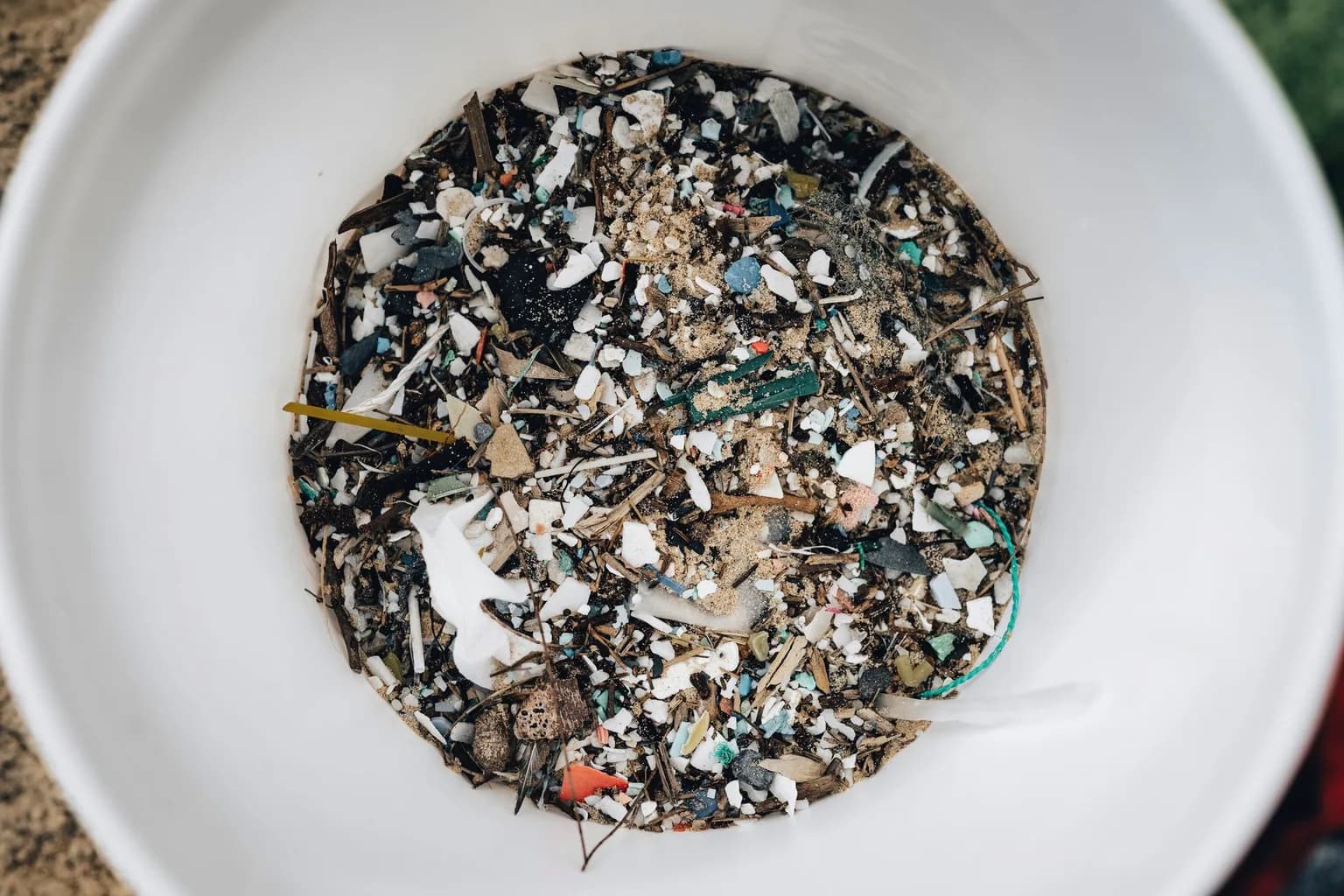
A five-year EU research project sampled 227 fields in 11 countries and found plastic particles in all of them. Researchers say the particles can carry pesticides, toxins and bacteria through the soil — and that smaller particles may be able to cross biological membranes and reach internal organs.

2 min read
AI data centres could generate up to 46 million tonnes of electronic waste a year by 2050

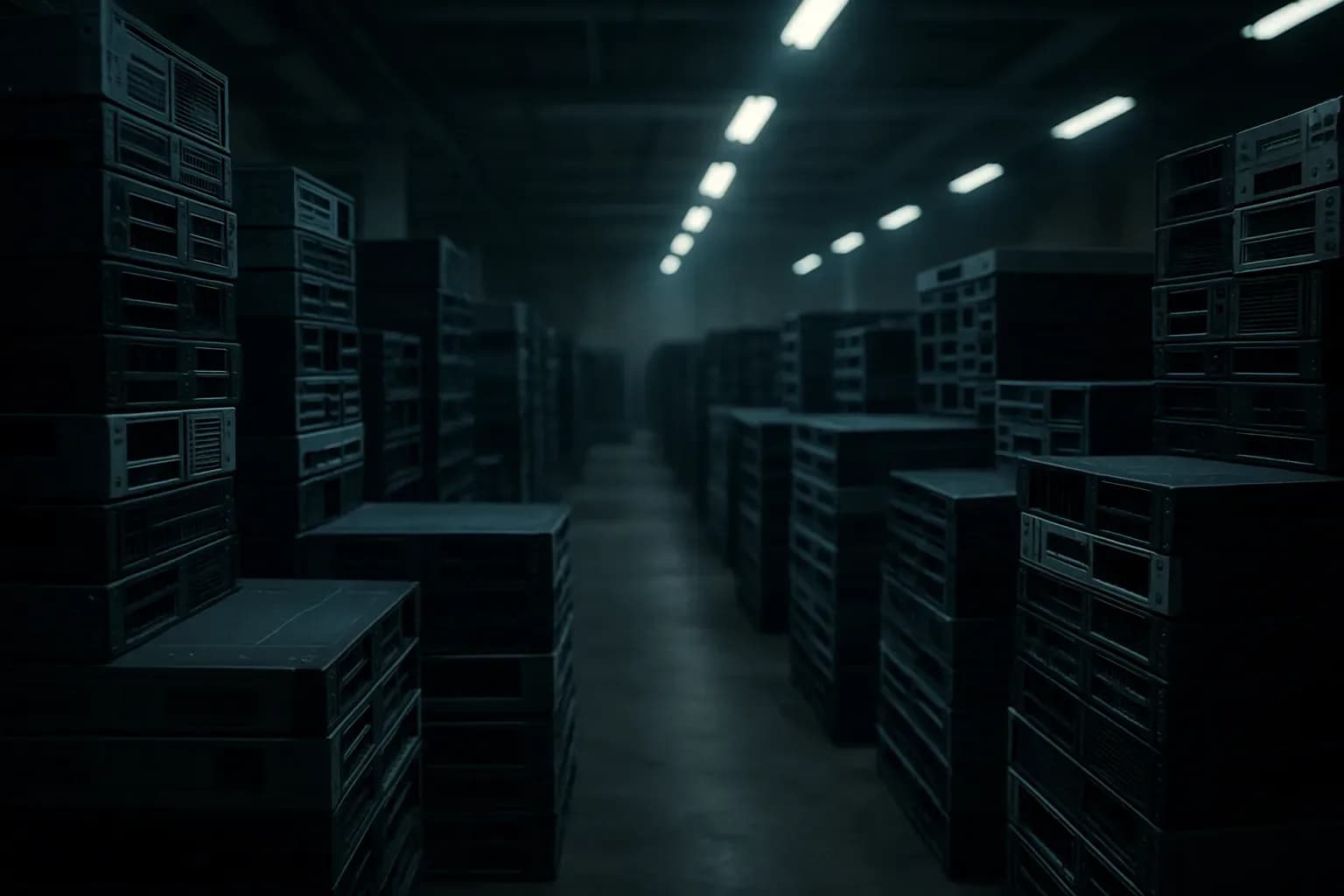
A white paper from the Basel Action Network projects that retiring AI infrastructure could produce between 31 and 46 million tonnes of waste annually by 2050 — 40 to 60 times higher than widely cited academic estimates. The equipment often contains lead, mercury and so-called forever chemicals, and only about a fifth of electronic waste is currently properly managed.

3 min read