
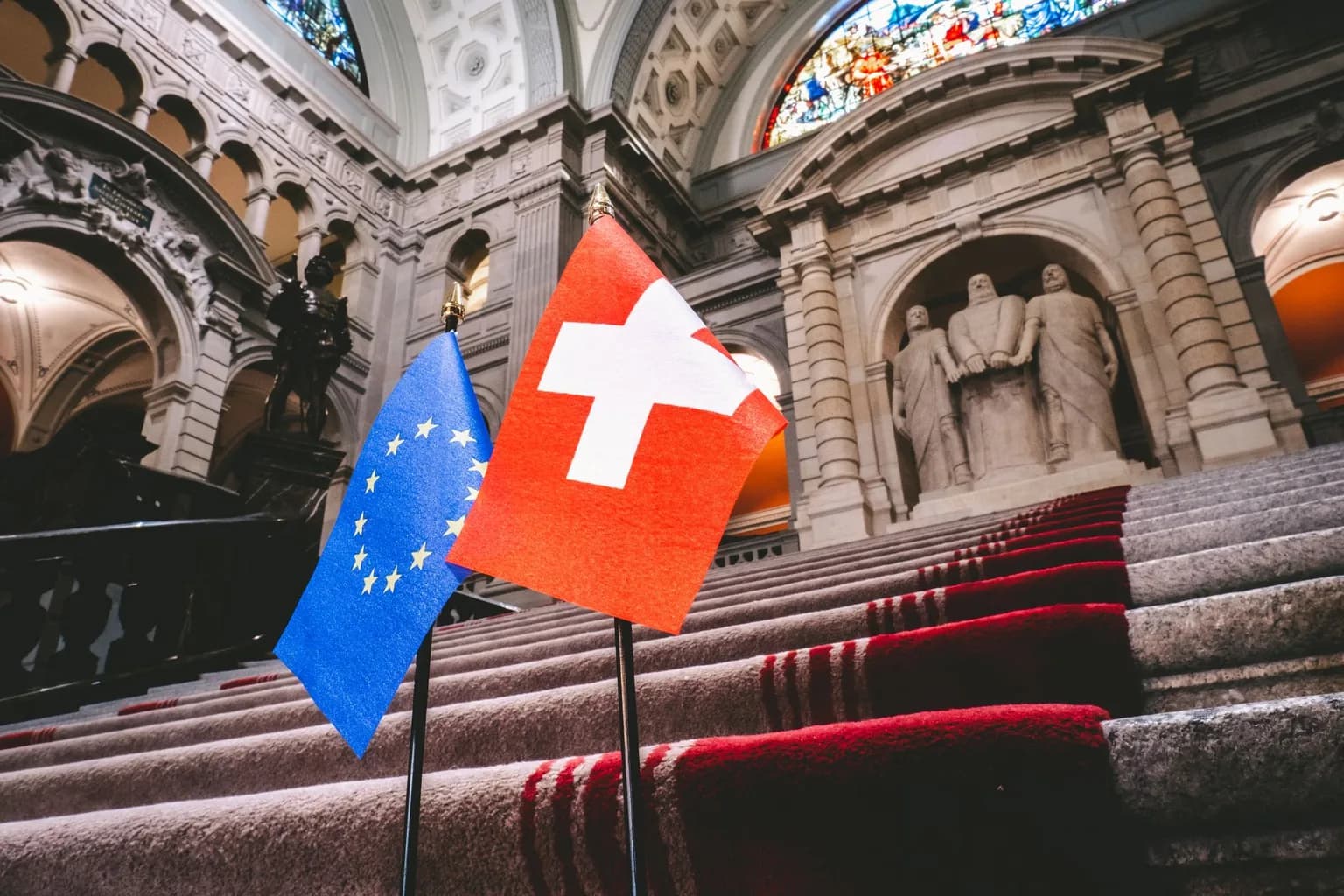
Canada is seeking to reduce its exposure to trade pressure from its biggest trading partner by building deeper partnerships with Europe.
Difficult trade talks with Donald Trump’s US administration have prompted the Canadian government to seek other partnerships, according to the account of events provided by Carney’s office.
Mark Carney, the Canadian prime minister, made that case after talks in Montreal on Friday with a European Union delegation led by European Commission President Ursula von der Leyen and European Council President Antonio Costa.
Speaking to DW after the meeting, Carney said Canada had drawn a stark conclusion from its relationship with the US. “The lesson we've taken, Canadians as a whole, is we're overdependent on the United States. Too closely connected to the United States. And we need to build our strength here at home and diversify and deepen our partnerships with like-minded countries internationally.”
The EU delegation met Carney and other Canadian officials in Montreal.
At the centre of the discussions was an idea von der Leyen has called “associate membership”, a status that does not yet exist for any other country.
Carney described it as “the closest possible partnership without being a full member of the European Union, because Canada is not in Europe geographically and therefore cannot have accession.”
The proposal faces resistance from the government of Friedrich Merz, the German chancellor, which opposes creating the “associate membership” label.
Carney pointed to the Comprehensive Economic and Trade Agreement, known as CETA, as a foundation for a closer relationship. He called it “one of the most successful free trade agreements in the world.”
He identified space technologies, artificial intelligence and critical minerals as fields for expanded Canada-Europe cooperation. He also cited existing programmes including Horizon Europe and Erasmus+ for student exchanges.
Carney said the talks with Brussels concerned a “positive association” and a partnership intended “to help solve global problems” and address global challenges. “It's not against somebody. It's for. It's a positive act.”
He said there remained “many, many opportunities for cooperation with the United States”. Yet, he added, “in many cases, there'll be much deeper cooperation for Canada between Canada and Europe than Canada and the United States.”
Canada’s relationship with the US is still difficult to replicate. Carney said “the scale of the relationship with the United States” would be “very hard to replace.”
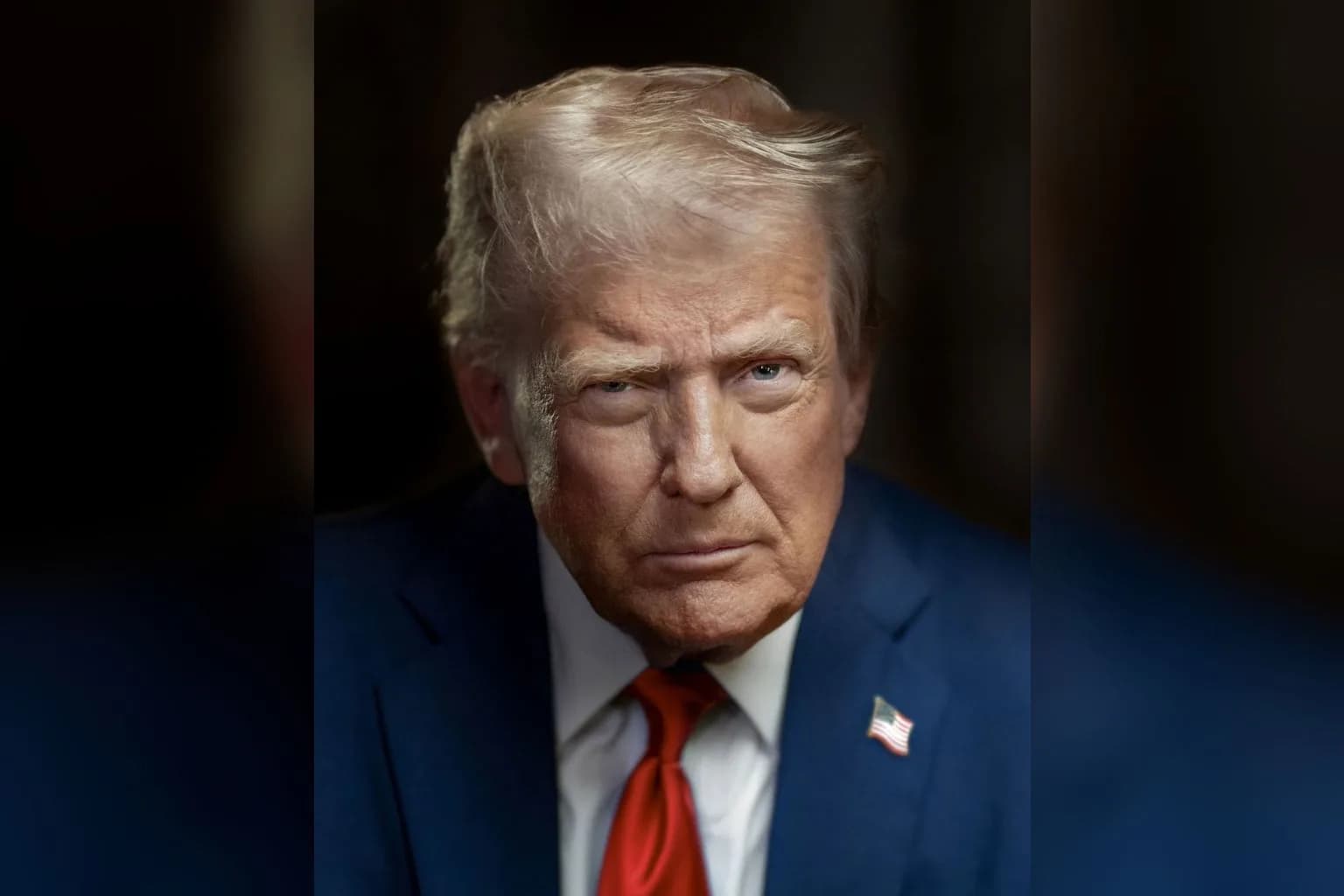
Asked how to deal with Trump, Carney said the approach was “to be direct, to be clear, to be absolutely clear about your bottom lines are”, while showing respect and bringing “the negotiations back to the core issues.”
On possible tariffs or other punitive measures from the Trump administration, he said: “We've been living with this for some time.”
Carney cited Trump’s attempt to unilaterally rename Lake Ontario and AI videos posted by Trump that imagined him as an ice hockey player beating Carney in a fight.
He also stressed the durability of ties between the two countries. “The bonds between Canadians and Americans are longstanding. They're very strong. And big elements of that will be maintained regardless of the government in Canada, the government in the United States, the combination of the two.”

Comments (0)