
Steve Witkoff and Jared Kushner, the US envoys, took part in indirect discussions with Iranian Foreign Minister Abbas Araghchi during the United Nations General Assembly. The talks, conducted through mediators, brought Washington and Tehran into contact while President Trump maintained his public opposition to an agreement.
Iran then proposed reopening the Strait of Hormuz and restarting nuclear negotiations within a week. In return, Axios reported, Tehran wanted the United States to lift its naval blockade, remove sanctions on Iranian oil sales and restore a regional ceasefire.
Trump said on September 26 that he had rejected the proposal, which reached the US side through indirect negotiations in New York. Washington did not accept Iran’s terms and said any wider agreement would also have to address Iran’s nuclear programme.
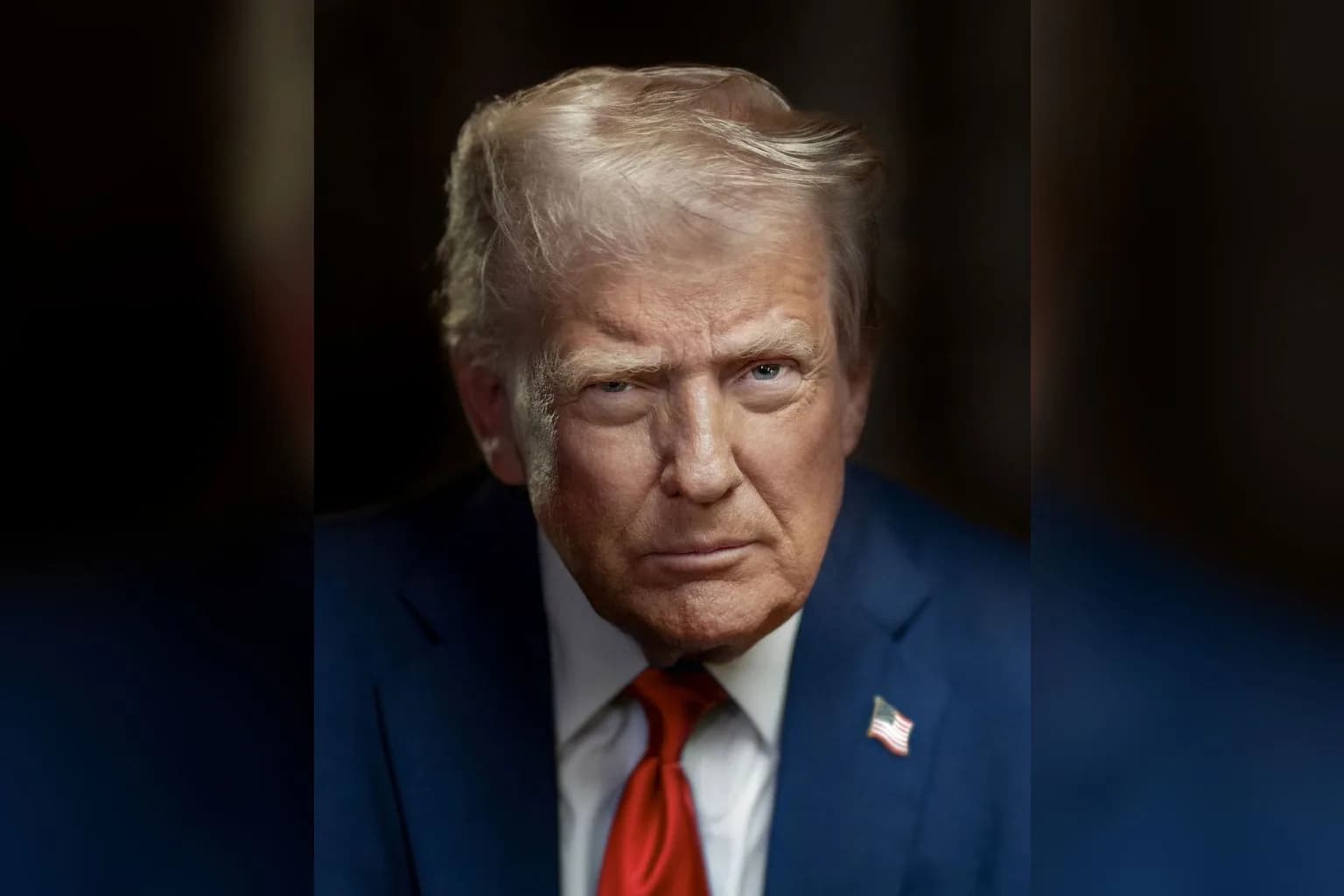
From the Oval Office on September 28, Trump confirmed that US officials had spoken with mediators. He said the United States would prevail “one way or the other” and predicted the conflict would end quickly.
Araghchi said he expected a formal US response to Tehran’s latest proposal for a ceasefire and the phased reopening of the Strait of Hormuz. One US official described the mediated discussions as positive and constructive, even after Trump rejected Tehran’s proposal.
The president has sought to draw a firm public line around the negotiations. He rejected an Axios report that he was willing to offer Iran some sanctions relief and access to frozen funds. Trump later said he had offered Iran “nothing”.
Axios also reported that the administration was prepared to consider sanctions relief and the release of frozen Iranian funds if Tehran made concrete nuclear concessions. Trump’s public denials leave the terms Washington would ultimately accept unclear.
Behind the talks, Trump and his national security team have discussed possibly resuming large-scale US military operations in the coming weeks, NBC News reported. Trump told TIME magazine that military action could resume after the midterm elections if Tehran and Washington failed to reach a satisfactory agreement.
There is no evidence that the main disputes have been settled, and Iranian officials have questioned whether an agreement can be reached quickly. Trump said Iran “is ready to fold up”. He also said he believed the US would win the war “right after the election”, while allowing that it could be “maybe before the election”.
Trump told TIME magazine that he did not think “you could ever have peace” with Iran. He also said gasoline prices would fall after the war ended.
The negotiations centre on the Strait of Hormuz, whose reopening affects oil markets and shipping, as well as Iran’s nuclear programme, sanctions and frozen Iranian assets. The immediate choice for Washington is whether mediated diplomacy can produce terms it accepts before military planning becomes action.
Comments (0)