
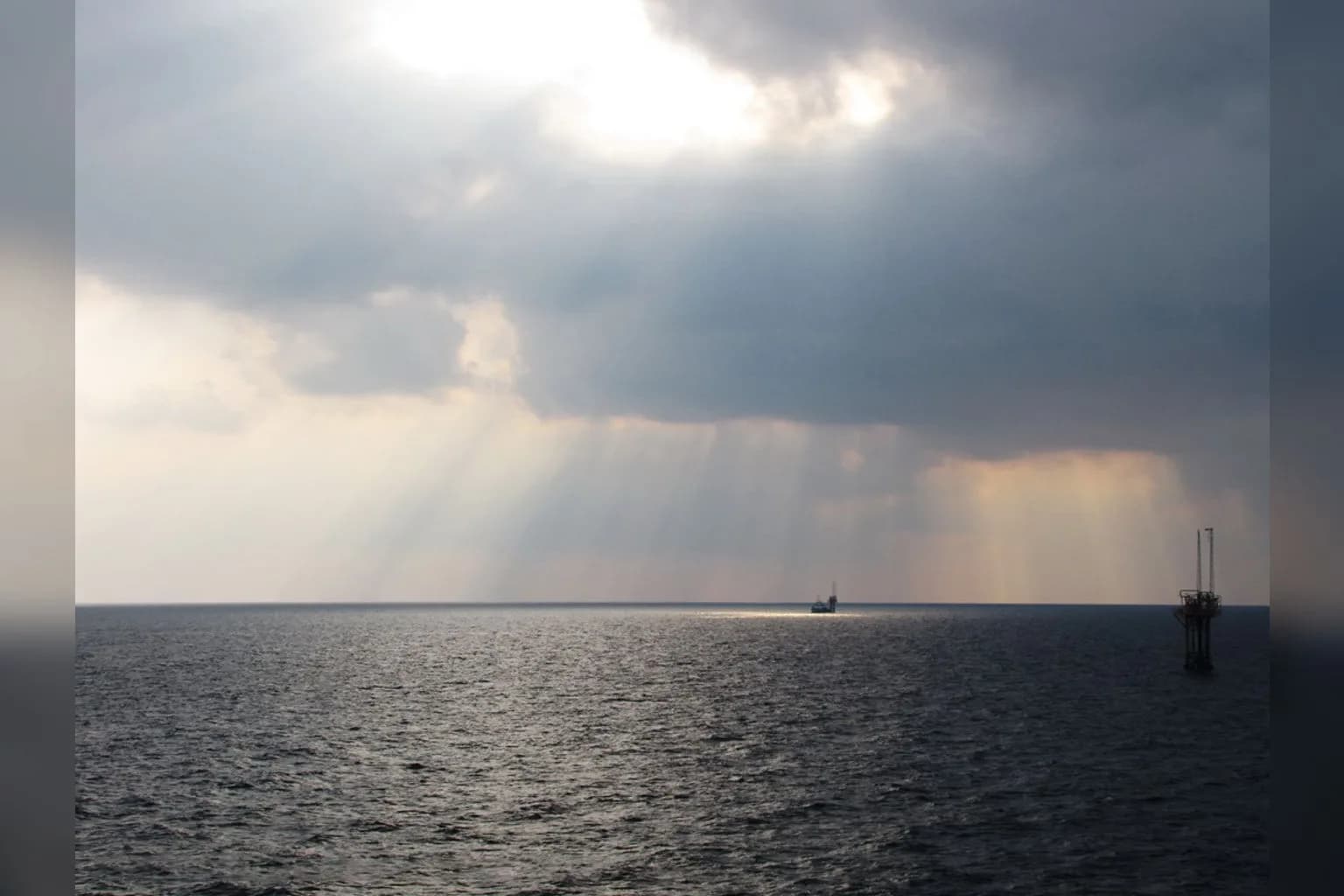
In June, the US and Iran signed a memorandum of understanding that collapsed within days. Last month, Iran’s delegation put forward a sped-up agreement at the annual UN gathering of world leaders, echoing the failed memorandum.
That proposal was rejected, though the two sides have stayed in touch through mediators. The negotiations are intended to end the war and fully open the Strait of Hormuz.
Mohsen Rezaie, the head of Iran’s Supreme National Security Council and a former Revolutionary Guard commander, said Tehran regarded the latest US response as insufficient and was no longer responding to Washington. He said the US had accepted some of seven conditions, while others remained unclear.
Rezaie then said Iran would strike cables, data centres, artificial intelligence facilities and other sites in the region if intense fighting breaks out again. The warning, made in his capacity as security council head, set out possible targets beyond traditional military sites.
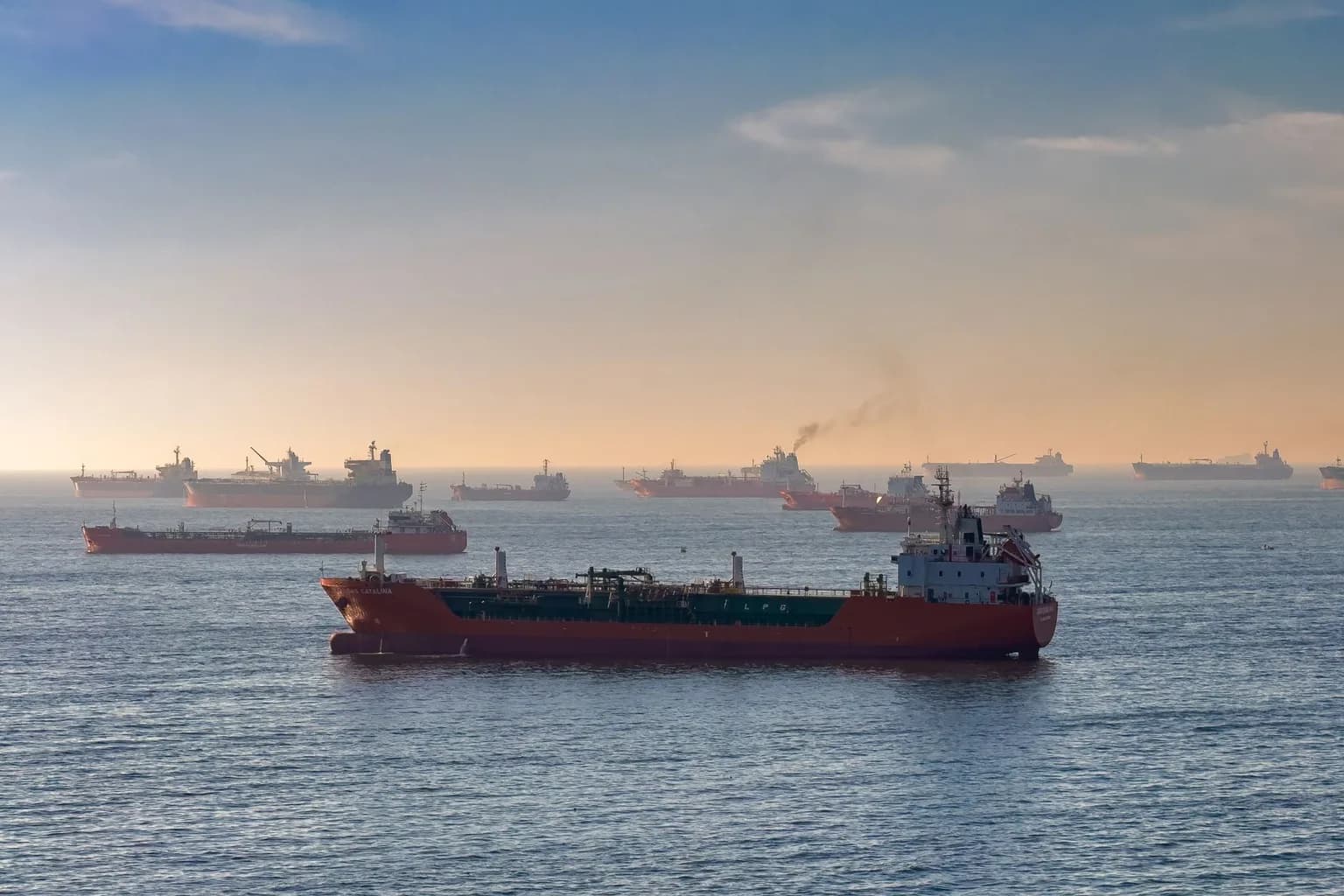
The Guard’s navy has also said that any ship in the Strait of Hormuz that switches off its navigation and identification systems will be identified as hostile. Attacks on ships transiting the strait have risen since Iran’s proposal was rejected, and one attack was reported on Sunday.
Comments (0)