
For US, Iranian and Israeli leaders, the decision on whether to return to military action against Iran remains unresolved, with the US saying it will launch no new attacks before the midterm elections on November 3.
The war began when the US and Israel launched joint strikes on Iran in late February, killing senior Iranian officials and commanders.
In June, Washington and Tehran signed a memorandum of understanding intended to end the conflict. The talks then stalled.
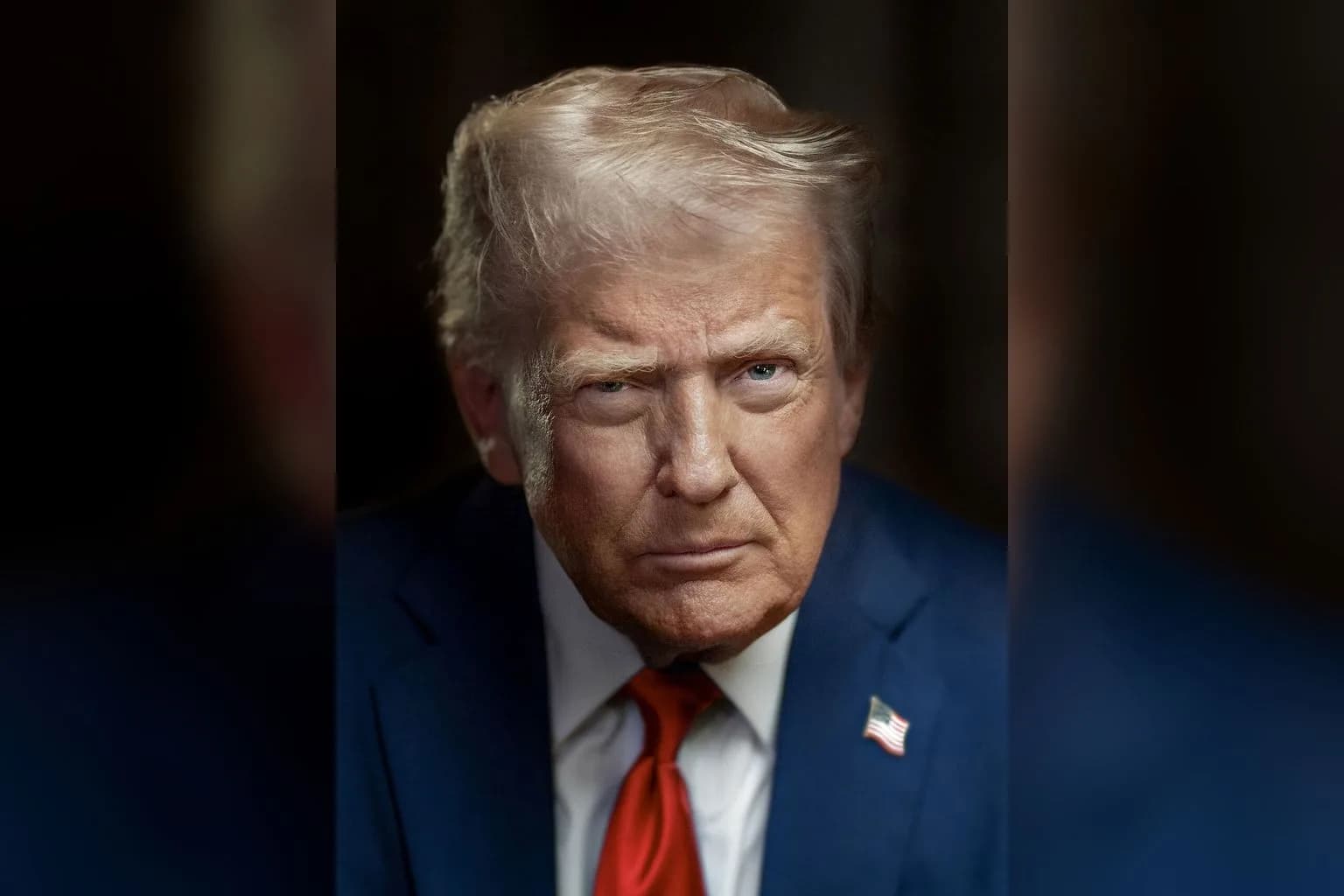
Donald Trump has made clear that he sees time as an advantage. At a Halloween event at Mar-a-Lago on Saturday, the US president said there was no hard timetable for negotiations on a possible agreement to end the war. He said: 'We're not in that much of a hurry from the standpoint that we've knocked out their navy. We've knocked out their air force, we've knocked out their anti-aircraft, we've knocked out almost every piece of military equipment they have.'
Trump also said the US had 'knocked out' much of Iran's manufacturing capacity and its nuclear sites. Late on October 31, during a trip to Florida, he told reporters that the US had knocked out Iran's nuclear capability.
Speaking about Pickaxe Mountain, an underground Iranian nuclear facility where US officials say Tehran has moved thousands of centrifuges, Trump said: 'We still have to take care of, I would say, one or two sites, but we can do that in ten minutes.' Pickaxe Mountain is among the nuclear sites named in reported plans for possible attacks, alongside Iranian petrochemical facilities.
Trump repeated his position in a phone interview with Axios on Monday, saying he was 'in no rush' to decide whether to resume fighting. He said: 'One way or the other, we will do something, but there is no rush. We crippled them financially. They have no money, no gasoline and their people are getting very tired of it.'
On November 2, Trump gave a speech in Washington at the Reflecting Pool in front of the Lincoln Memorial. His comments leave open both paths: an agreement with Tehran or a return to combat after the elections.
Vice President JD Vance has sought to reopen the diplomatic channel. He sent a letter to Mohsen Rezaei, the secretary of Iran's Supreme National Security Council, in an apparent effort to revive the stalled talks. Rezaei said the tone had completely changed from Trump's earlier letter to the martyred Supreme Leader Ali Khamenei.
Rezaei has said Tehran is waiting for America’s final response to a proposed deal. Iranian President Masoud Pezeshkian said Supreme Leader Mojtaba Khamenei 'granted the government certain authorities' to try to reach an agreement through diplomacy.
Qatari mediators have drafted an agreement setting out a three-day sequence of confidence-building measures for resuming direct US-Iran negotiations. Ali al-Thawadi, a Qatari mediator, travelled to Tehran on Monday to continue discussions on the draft.
Abbas Araghchi, Iran's foreign minister, said Monday that the diplomatic exchanges 'have become very intensive.' He also said Tehran was prepared for defence and diplomacy, and that negotiations would resume if the US accepted Iran's conditions for reopening the Strait of Hormuz.
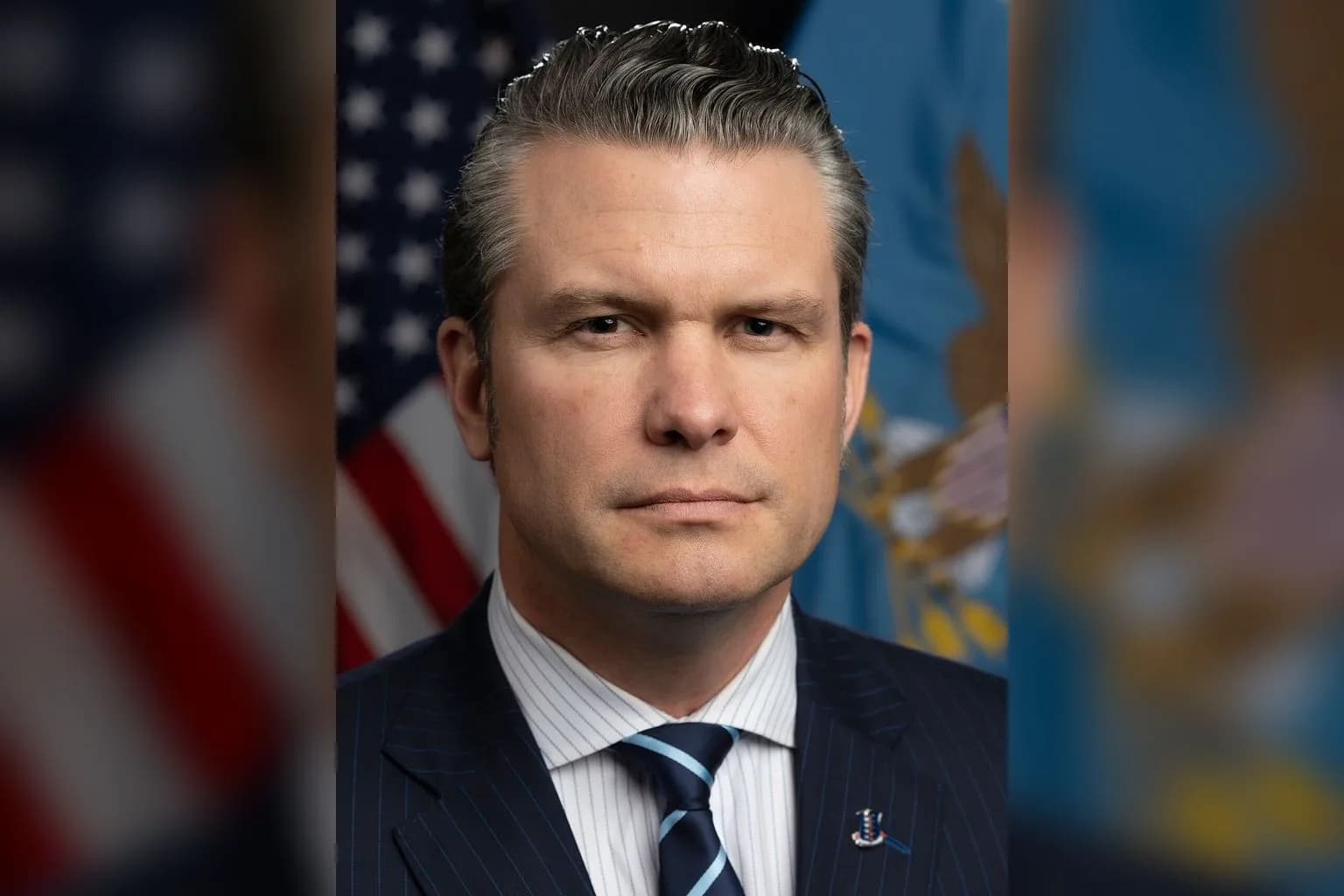
Vance and White House envoy Steve Witkoff are urging Trump to pursue a deal. Benjamin Netanyahu, Israel's prime minister, and Secretary of Defense Pete Hegseth favour resumed combat. Plans for possible renewed joint US-Israeli strikes were discussed during Hegseth's visit to Israel.
Treasury Secretary Scott Bessent, CIA Director John Ratcliffe and Secretary of State Marco Rubio have advised Trump to preserve what they call the 'no war, no deal' status quo. The US and Israeli militaries have developed plans for possible joint attacks in the coming weeks, with operations expected after the November 3 US midterm elections.
Russia is also in contact with Tehran. President Vladimir Putin spoke by phone with Rezaei on November 2, according to Iranian media outlets. The call concerned efforts to reach a diplomatic agreement, according to the account of their Monday conversation.
Comments (0)