
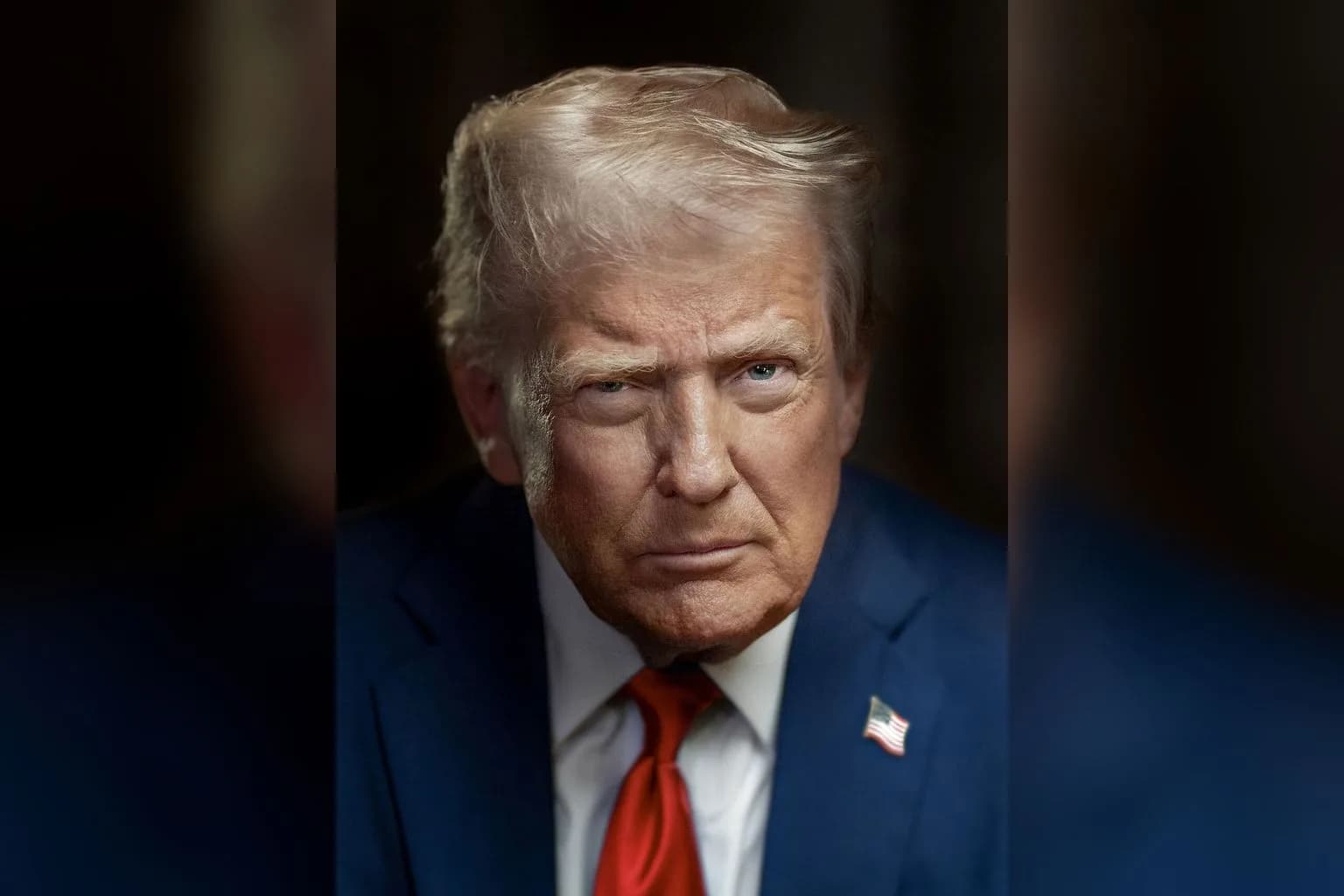
For voters facing high gasoline prices, the direction of the seven-month war between the United States and Iran carries immediate economic consequences as Tuesday's midterm elections approach.
The conflict has driven up gasoline prices and put President Donald Trump under pressure to bring it to an end, according to the account of the war's effect on voters.
Trump had spent weeks suggesting he might renew military strikes against Iran after Tuesday's elections. He spoke with Israeli Prime Minister Benjamin Netanyahu by telephone on Saturday and consulted senior military leaders at a White House meeting earlier in the week on options for resuming major combat operations.
In Doha, Iranian negotiators were meeting Qatari mediators on Sunday for a third consecutive day, seeking an agreement to end the war. Iran's foreign ministry spokesperson, Esmaeil Baghaei, said deputy Foreign Minister Kazem Gharibabadi was there to facilitate exchanges of messages with Washington through the Qatari intermediaries.
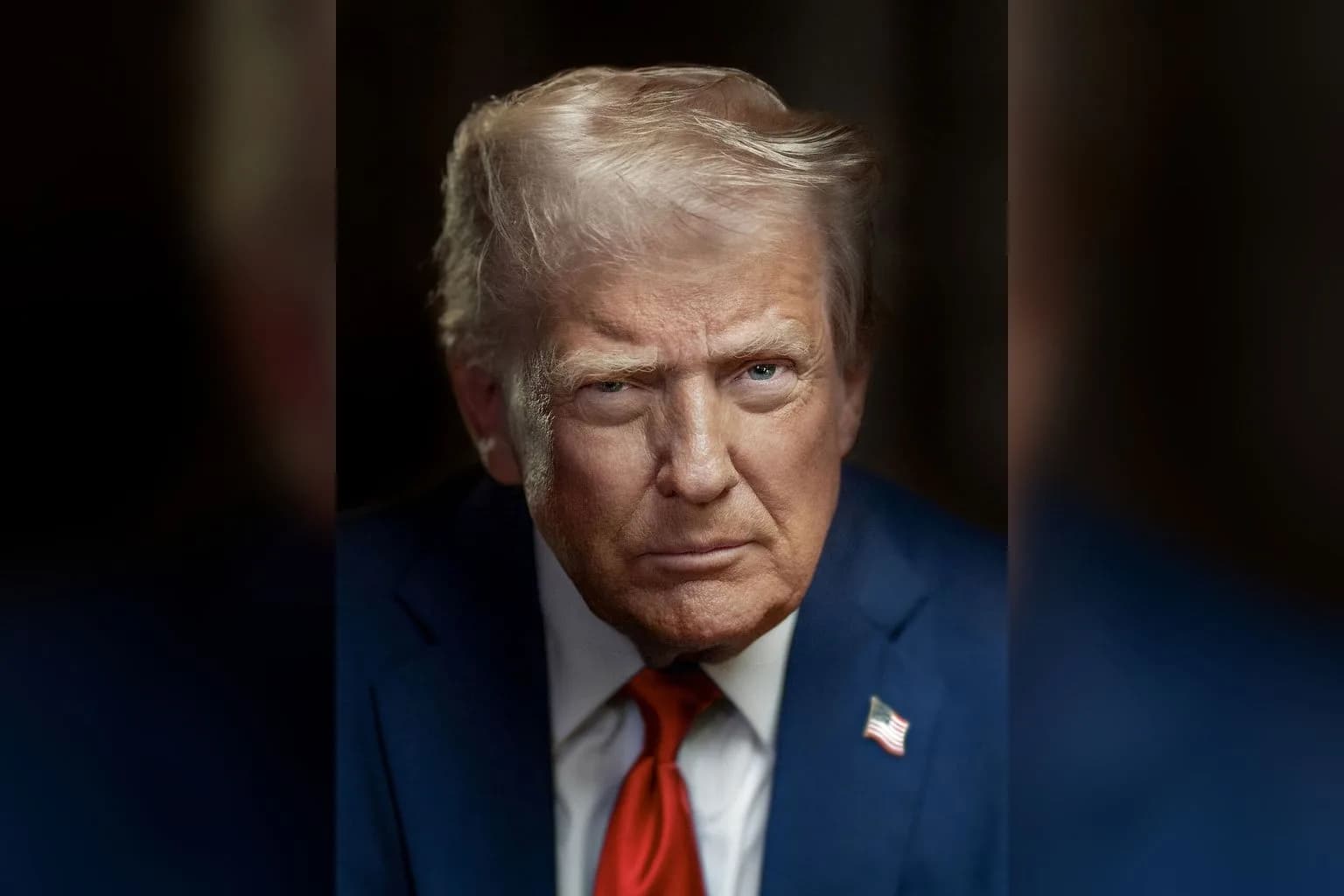
Trump's language on Monday left open a different course. Speaking at a campaign rally as he made his closing argument to voters, he said a deal with Tehran could happen. At the Washington Reflecting Pool, when reporters asked whether he was considering an attack after the elections, Trump replied: 'no'.
He said he believed Iran wanted an agreement, while maintaining that Tehran could never be allowed to possess a nuclear weapon. Trump said: 'We're not going to allow Iran ever to have a nuclear weapon, and they understand that. They've understood that and they've said it even recently'.
Trump also said: 'We wiped out their leaders - first level of leaders, the second level of leaders, and they've asked us, please stop doing that, and we will'.
Vice President JD Vance said there had been 'a number of good conversations with the Iranians'. He added: 'Look, the president and I both feel pretty good about the prospects for potentially coming to a negotiated settlement. We're going to keep on working at it'.
Iranian officials indicated that they had seen a change in Washington's approach. Mohsen Rezaei, Iran's top security official, said a letter from Vance delivered through Qatari mediators had a 'completely shifted tone'. Foreign Minister Abbas Araghchi called Washington's effort to open dialogue a 'positive step' and said the Strait of Hormuz could be reopened within two days under a deal, rather than seven days.
Baghaei set out Tehran's conditions. He said: 'Our demands have been articulated very clearly and transparently. These demands are reasonable and logical: no final agreement can be initiated, nor can the Strait of Hormuz be reopened or secured, unless the US naval blockade is brought to an end, Iran's demands are respected, and Iran's legitimate requirements are addressed'.
Secretary of State Marco Rubio said discussions had continued throughout the conflict. 'There are multiple talks; talks have actually never stopped. There's been active conversations going both in some cases directly, but often through intermediaries', he said.
Rubio said the United States could consider a diplomatic agreement that met its fundamental security concerns, particularly Iran's nuclear ambitions and its support for regional armed groups. Whether those positions can produce a final agreement, or whether Trump will return to the military option he had previously raised, remains unresolved.
Comments (0)