
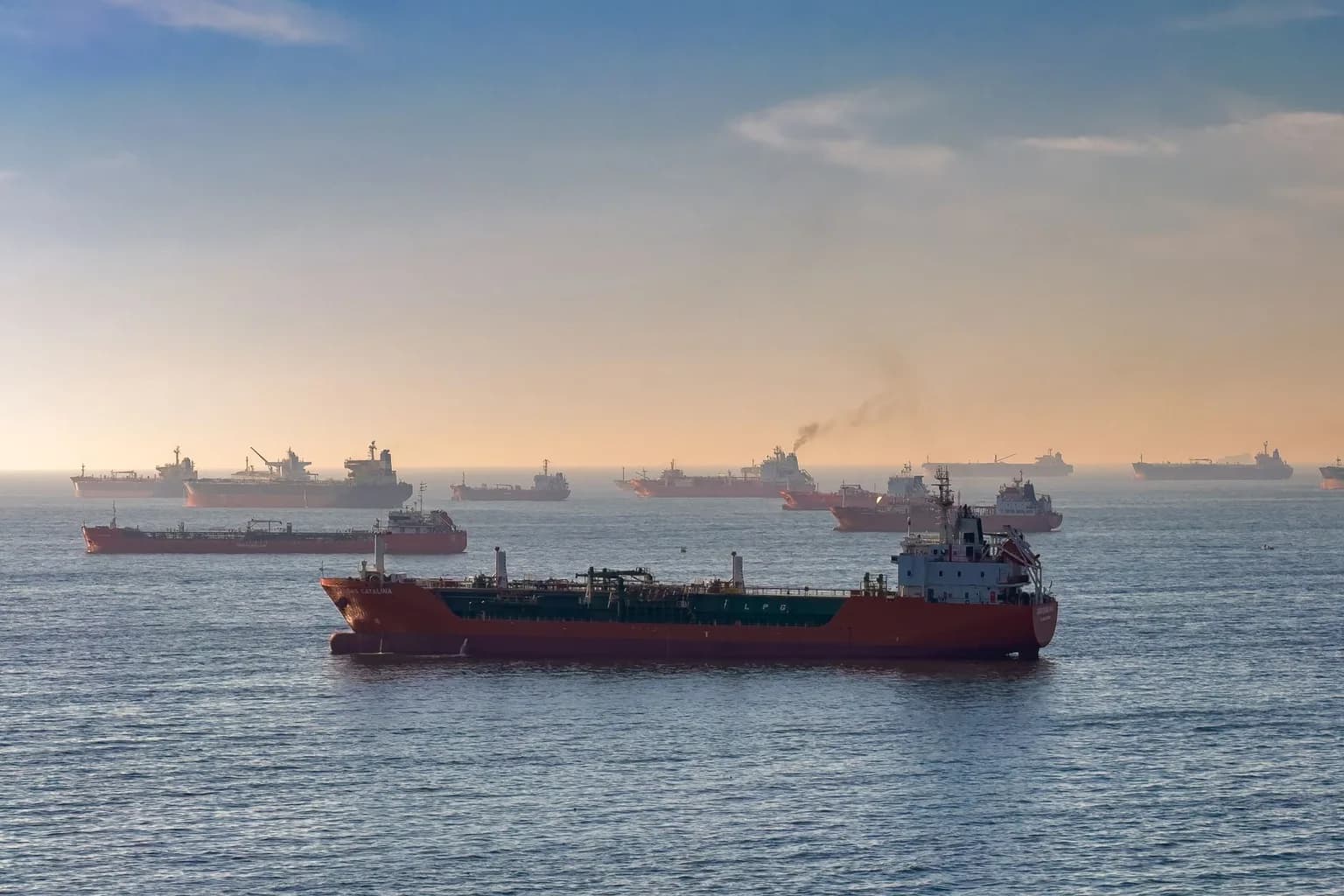
Restricted shipping through the Strait of Hormuz is putting energy flows and maritime safety at risk as China seeks to steer Middle East parties towards talks.
The conflict began more than eight months ago after U.S.-Israeli strikes on Iran, disrupting global shipping and threatening energy security. Days before the Beijing meetings, US President Donald Trump threatened further military action, while Tehran warned it would respond if attacked.
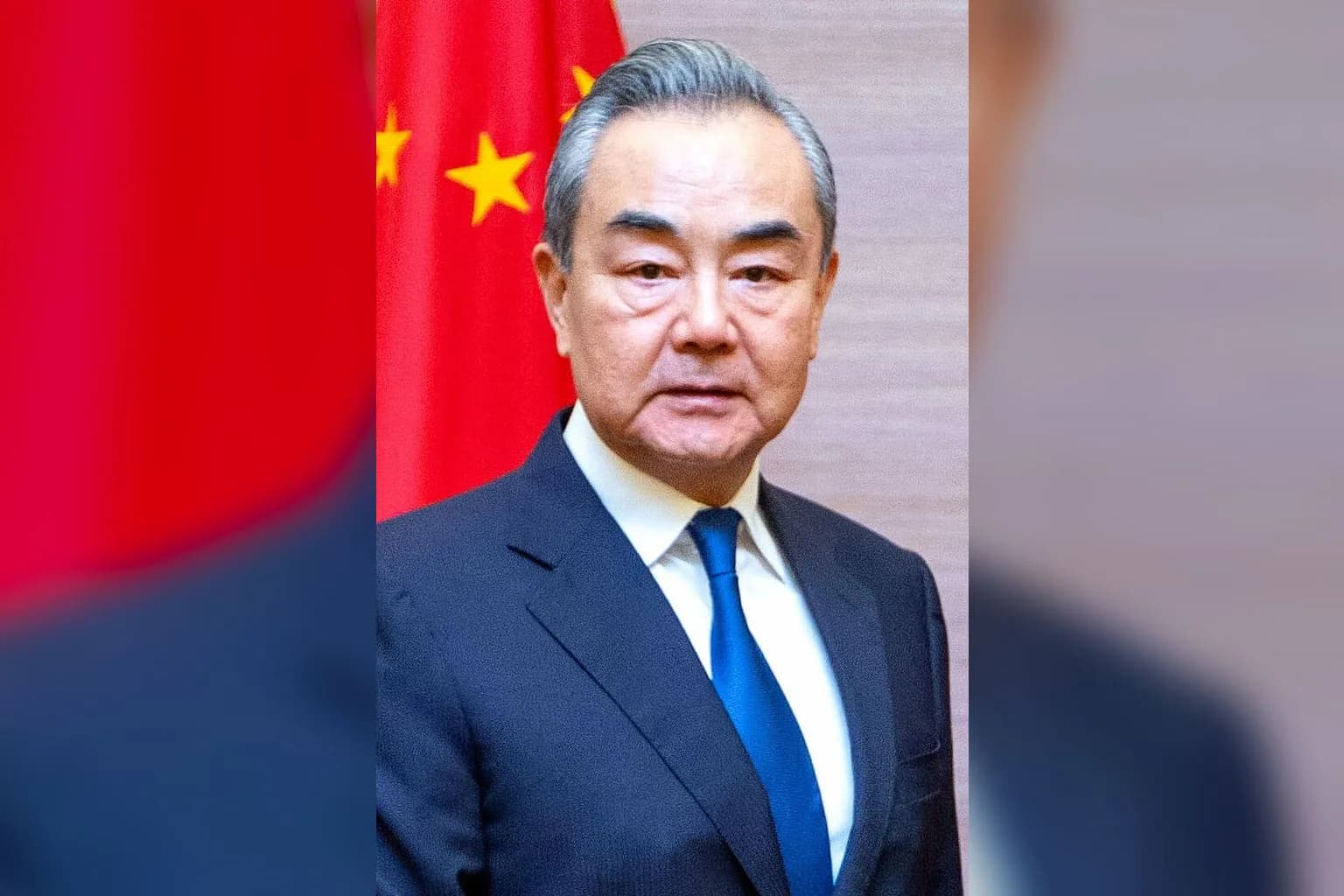
At the Great Hall of the People in Beijing on Monday, Chinese Foreign Minister Wang Yi received Ali Bagheri Kani, deputy secretary of Iran's Supreme National Security Council, and Musaed bin Mohammed Al-Aiban, Saudi Arabia's national security adviser. President Xi Jinping also hosted Oman's Sultan Haitham bin Tariq at a welcoming ceremony during a state visit.
Wang told Bagheri that dialogue and negotiation remained “the only viable path forward” as the regional conflict continues and risks spreading further. He said China supported Iran's sovereignty and security, and urged all sides to seek a political solution rather than return to armed conflict.
Bagheri outlined Iran's position and welcomed China's diplomatic engagement, according to the account of the meeting. Wang described the region as standing at a critical point between war and peace.
In his separate meeting with Al-Aiban, Wang called for dialogue that could end the conflict while protecting regional energy security and shipping lanes. The Saudi official delivered a letter from Crown Prince Mohammed bin Salman to Xi, though its contents were not made public.
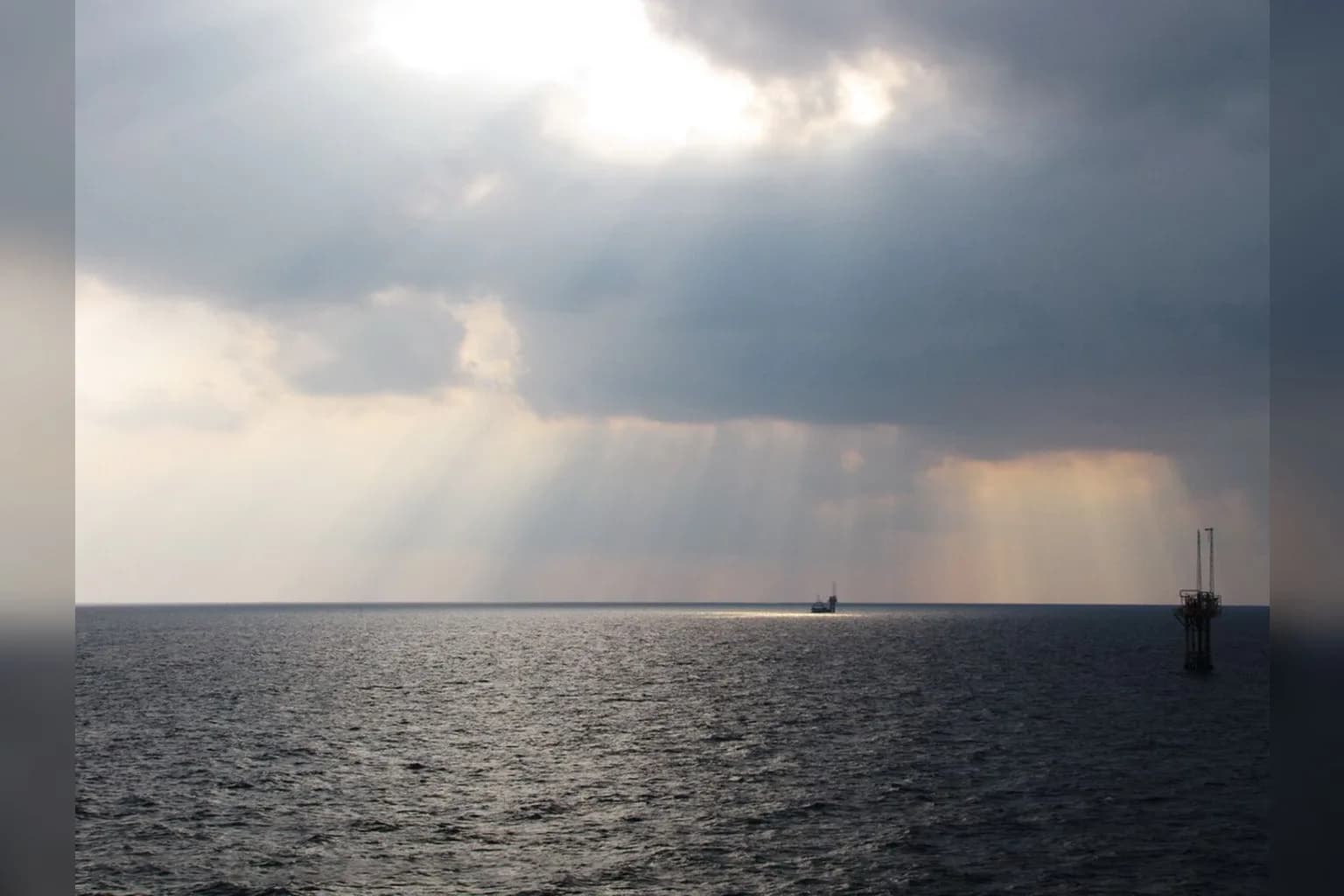
The meetings brought together countries with a direct interest in the waterway at the centre of the crisis. Oman lies opposite Iran on the Strait of Hormuz. Before the US-Iran war restricted traffic, one-fifth of global energy exports passed through the strait.
Xi's meeting with Sultan Haitham marked the first visit to China by an Omani head of state since the countries established diplomatic relations in 1978. Xi told the Omani leader that the Middle East and Gulf should not become “an arena for great-power rivalry and geopolitical conflict”, and said restoring stability required collective effort.
China and Oman signed 14 cooperation documents, including agreements covering artificial intelligence, green energy and supply chains, alongside a currency swap agreement. Their joint statement called for safe navigation through the Strait of Hormuz to resume and urged the US and Iran to restart dialogue.
Sultan Haitham and Xi also called on the US and Iran to pursue peaceful options, establish a ceasefire and resume negotiations. The joint language placed maritime access alongside the wider effort to contain the conflict.
Trump said on Saturday that the United States had “knocked out much of Iran's military but still has to take care of one or two targets.” Iran's warning of reprisals leaves the prospect of further escalation unresolved.
China announced that its special Middle East envoy, Zhai Jun, would visit Iran, Oman and Saudi Arabia later in the month. The visits will follow Beijing's meetings with the three governments, as China seeks to promote peace talks and ease tensions.
China is a top economic partner of Iran and one of the world's largest energy importers. That gives Beijing a strong interest in a settlement that restores secure passage through the strait, though the response of Iran and Saudi Arabia to its appeal for dialogue remains unclear.
Comments (0)