
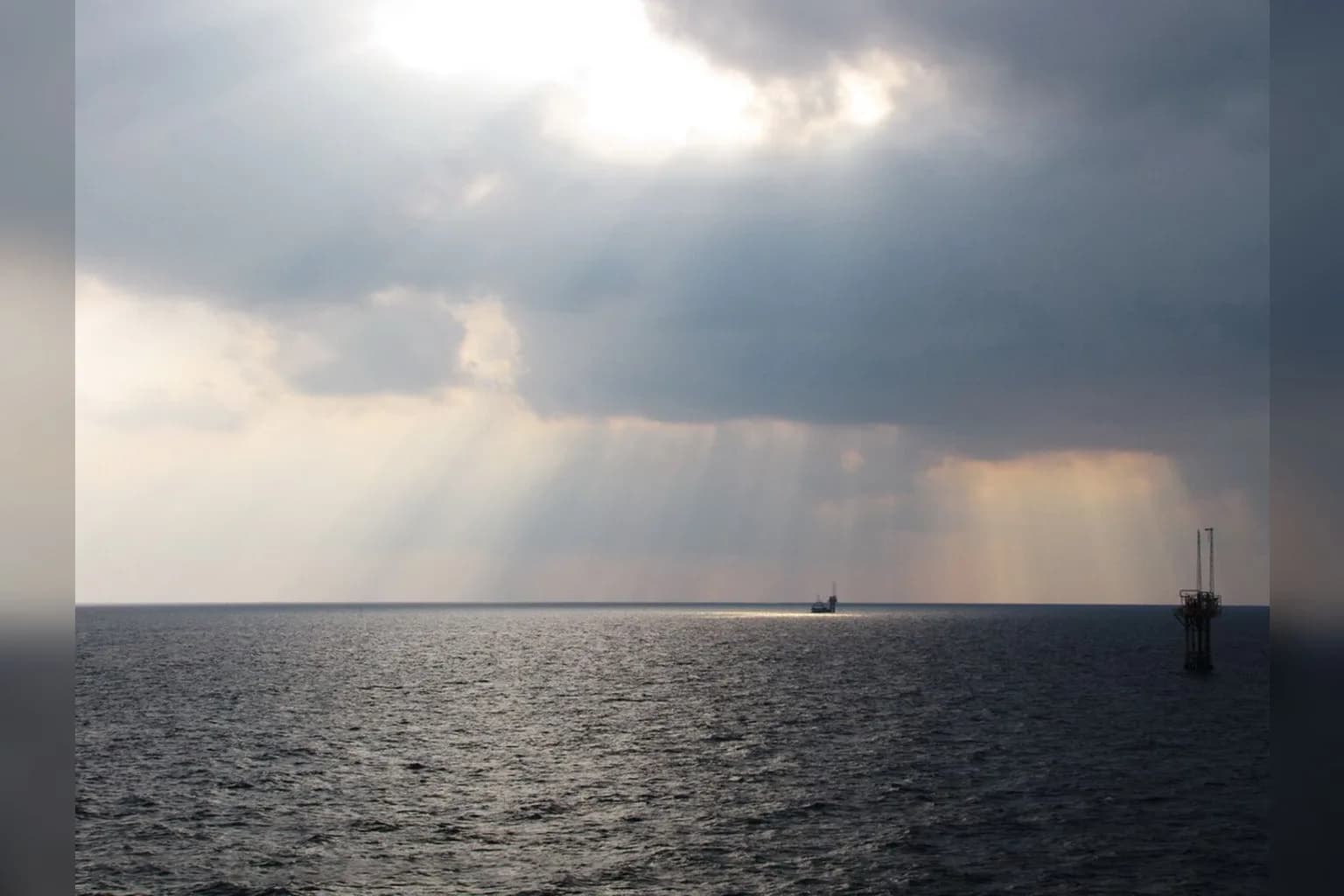
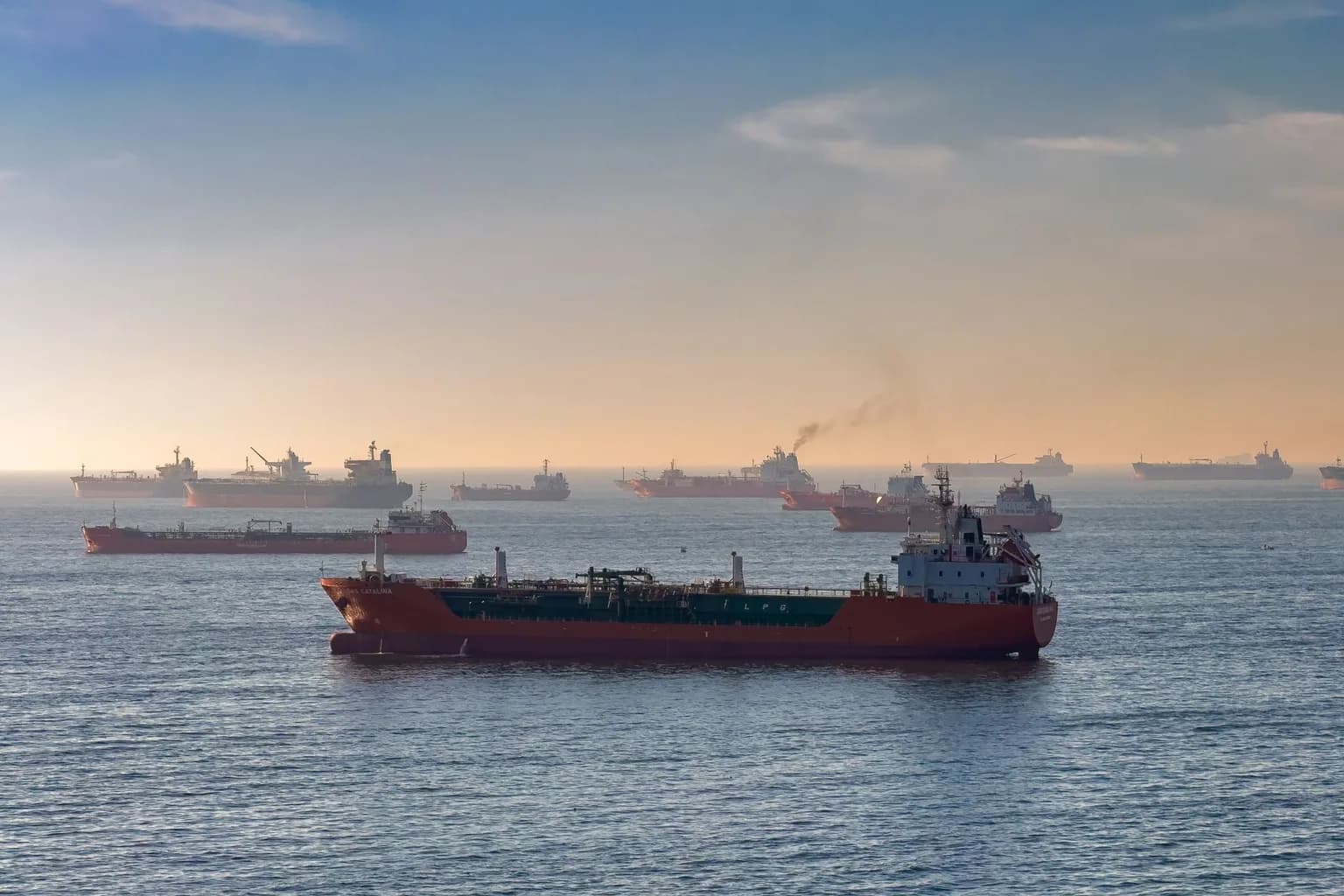
South Korea is seeking to protect an oil route that supplied 70% of its oil from the Middle East in 2025, with most of those deliveries passing through the Strait of Hormuz.
The Defence Ministry said the proposed expansion of its Cheonghae naval unit followed pressure from US President Donald Trump for support in the Iran war. Trump has criticised Seoul for what he called insufficient support and scaled back major joint military drills involving US and South Korean forces this summer.
The Cheonghae anti-piracy unit has guarded commercial vessels in the Gulf of Aden off Somalia since 2009. The mission now faces a different security environment after the US-Iran war began on 28 February and disrupted shipping through the Strait of Hormuz.
President Lee Jae Myung said on 18 September that he would not deploy military assets to the Middle East in a way that could draw South Korea into the conflict. He said Seoul was considering a wider role in protecting navigation, having pledged in April to help safeguard shipping during talks led by the United Kingdom and France.
South Korea’s latest naval contingent sailed from Busan on 2 October aboard the Chungmugong Yi Sun-sin, a 4,400-tonne destroyer carrying a maritime helicopter and about 300 service members. The unit currently also has up to three rigid-hull inflatable boats.
On Thursday, the Defence Ministry said it would seek to extend the unit’s operational area to waters near the port of Duqm in Oman, about 650 km from the strait. The proposed force would include a destroyer, a P-8 maritime patrol aircraft, an explosive ordnance disposal team, unmanned surface vessels, unmanned underwater vehicles and remotely operated vehicles for underwater exploration. Seoul would add 75 personnel.
A defence ministry official said: “The enhancement of the Cheonghae unit's mission is to protect our citizens and safeguard our economic interests”. The official said the reinforcement would be strictly for non-combat purposes and would operate independently of allied forces.
The patrol aircraft would be barred from targeting or monitoring Iranian territory, territorial waters or the interior of the Strait of Hormuz.
The proposal still requires approval from President Lee, the cabinet and parliament. The unit’s current authorisation expires at the end of 2026.
Kim Joon-hyung, the floor leader of the Rebuilding Korea Party, said at a news conference at the National Assembly in Seoul that widening the unit’s area of operations amounted to a troop deployment. He warned that the mission could expose South Korean forces to Iranian retaliation even if Seoul maintained that its personnel would not take part in combat.
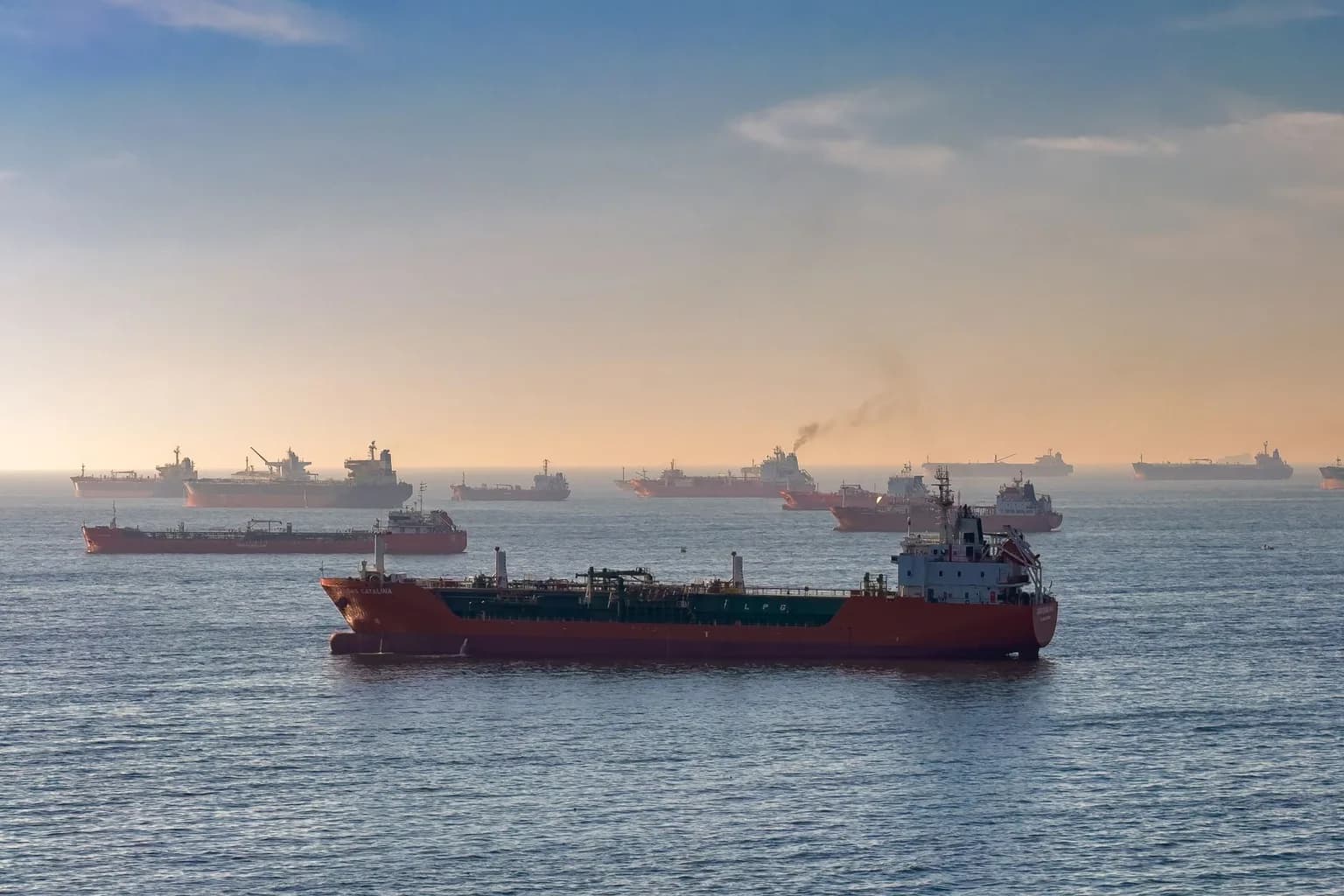
The Strait of Hormuz normally carries about a fifth of the world’s oil.
Comments (0)