
The pressure on Saudi Arabia’s energy routes widened between July and September, as Houthi attacks rose by 333% from strikes on facilities in Jizan and Abha to attacks that also included Taif, Mecca and Riyadh. Horizon Brief recorded at least 37 sites hit in Saudi Arabia over the period, with 33 attacks believed to have been carried out by the Houthis and four originating from Iraq.
On 9 September, Iraq-based drone strikes damaged three pumping stations and temporarily disrupted the East–West Pipeline. The pipeline transports approximately 4-5 million b/d, or 4-5% of global crude supply. It carries crude 1,200 kilometres from Saudi eastern fields to Yanbu on the Red Sea, providing an export route that bypasses Hormuz.
On Monday, Yemen’s Houthi militants claimed responsibility for strikes targeting Saudi Aramco facilities in Yanbu, the Shaybah oilfield and airports in Riyadh and Abha.
Iran’s Revolutionary Guards said on Tuesday that naval mines had stopped three tankers trying to cross the Strait of Hormuz via routes Tehran considered unauthorised. The Islamic Revolutionary Guard Corps, or IRGC, said: 'Two violating oil tankers were set ablaze and halted due to the explosion of mines planted by the brave sailors of the IRGC Navy at an illegal crossing point in the southern part of the Strait of Hormuz.'
By Wednesday, the oil market was split. Brent crude futures added 3 cents to close at $108.82 a barrel, while US West Texas Intermediate crude fell 67 cents to settle at $97.15 a barrel. Concern over possible Middle East supply disruption, including the attacks near Hormuz and on Saudi energy facilities, kept trading tense.
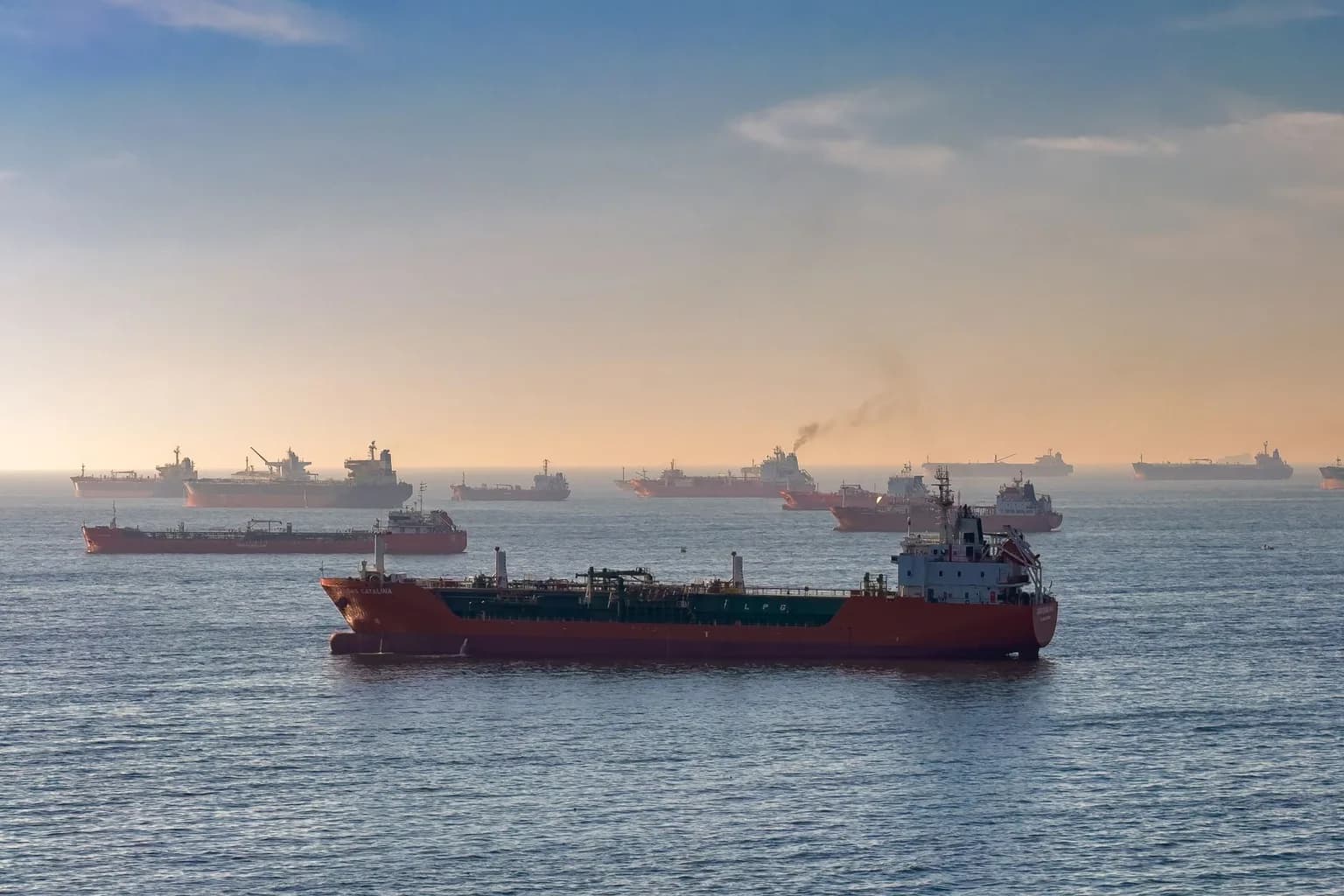
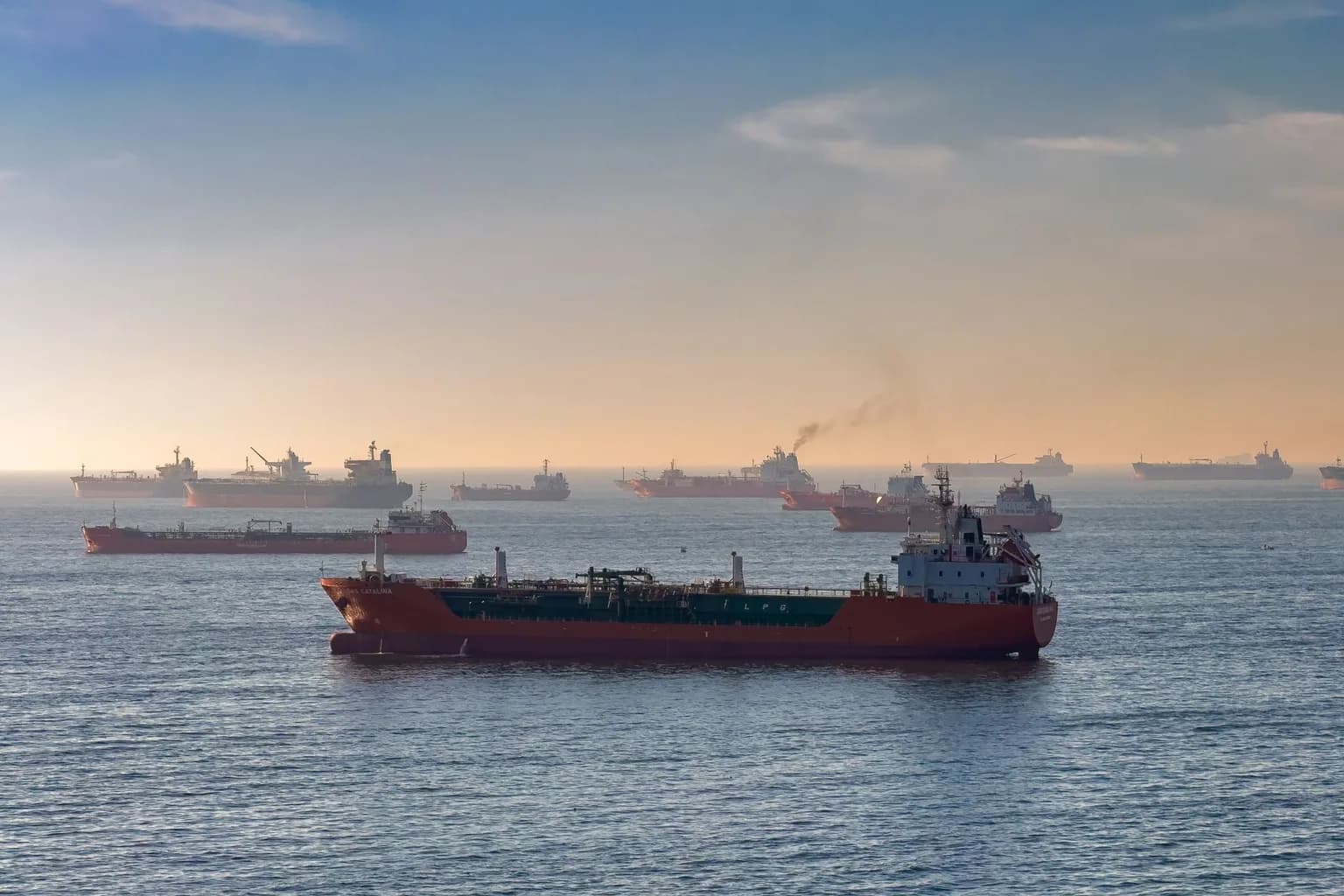
The immediate cost of moving crude has risen far more clearly than either benchmark. The global average crude freight rate climbed above $20 per barrel, from just $3 a year earlier, Goldman Sachs said in a report published Tuesday. Freight rates remain roughly seven times higher than a year ago.
Goldman estimated that war-risk premiums for Strait of Hormuz crossings accounted for about $7 of the $20 year-on-year increase in average crude freight rates. Ship-to-ship transfers outside the Persian Gulf added another $4, the bank estimated.
Goldman said the higher transport bill could widen the gap in prices between crude grades, compress refiners’ margins and feed through into higher refined-fuel prices. Its analysts wrote: 'High freight costs have weighed particularly heavily on Asian refineries' net margins, threatening their refined product output, which could then raise global refined product prices.'
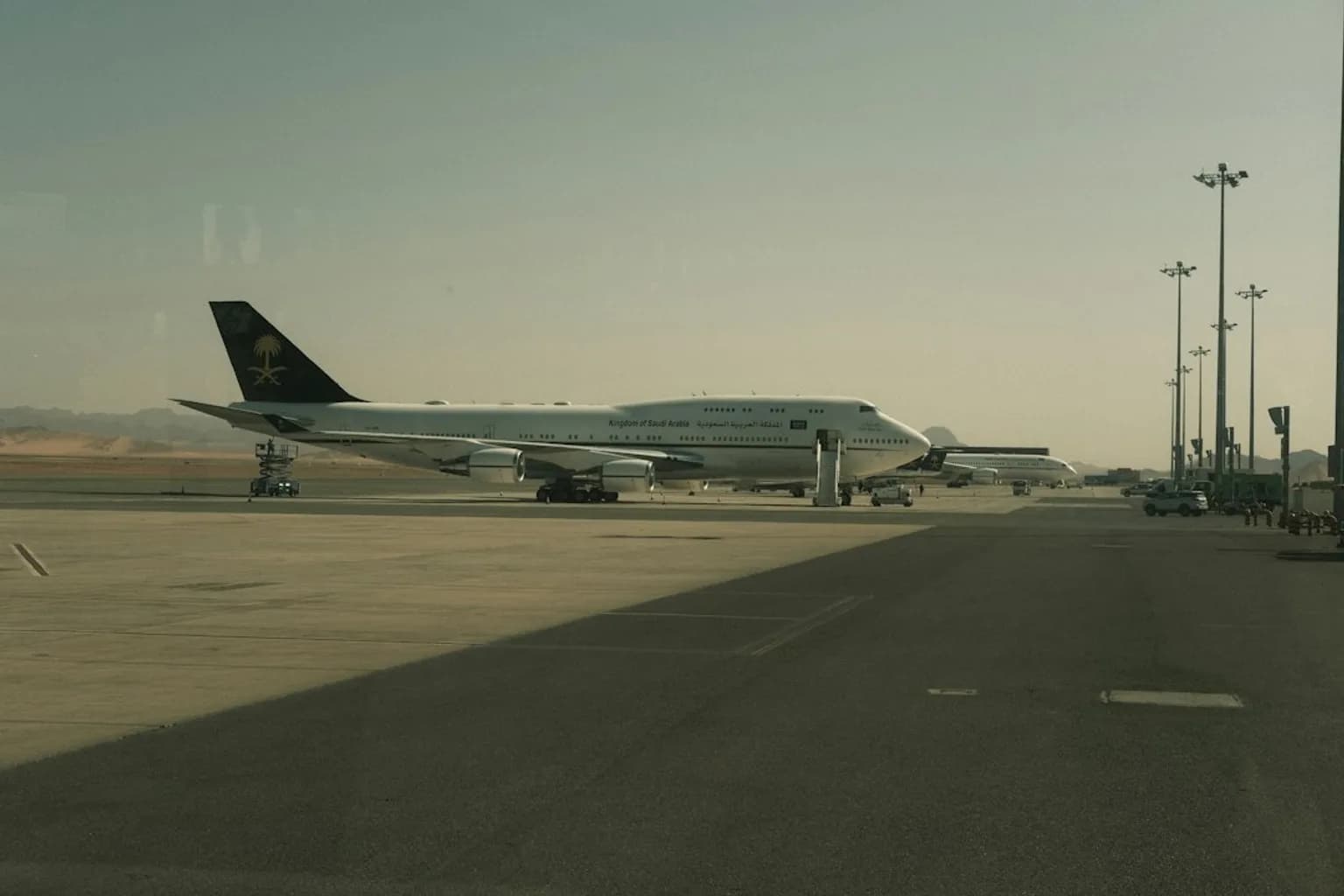
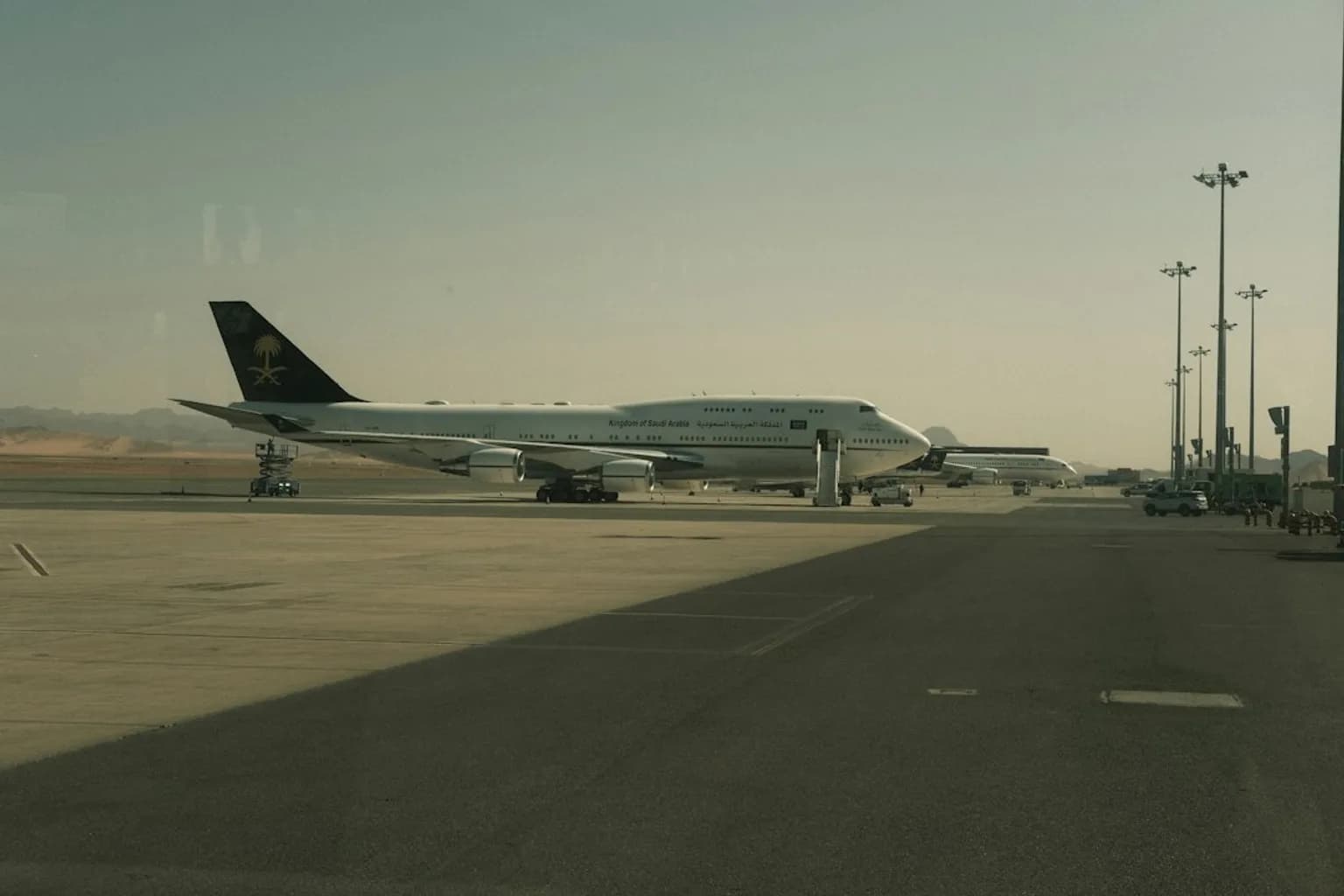
The G7 linked Houthi attacks, Bab al-Mandab and global energy and supply-chain security in a statement on 22 September. Britain and France made defensive commitments to Saudi Arabia, citing the effect of regional instability on their own economies. London began sending an RAF Voyager to refuel Saudi jets, while France said it intended to deploy radars, surveillance equipment and defensive systems to protect Yanbu’s energy flows and strengthen Saudi capabilities.

Comments (0)