
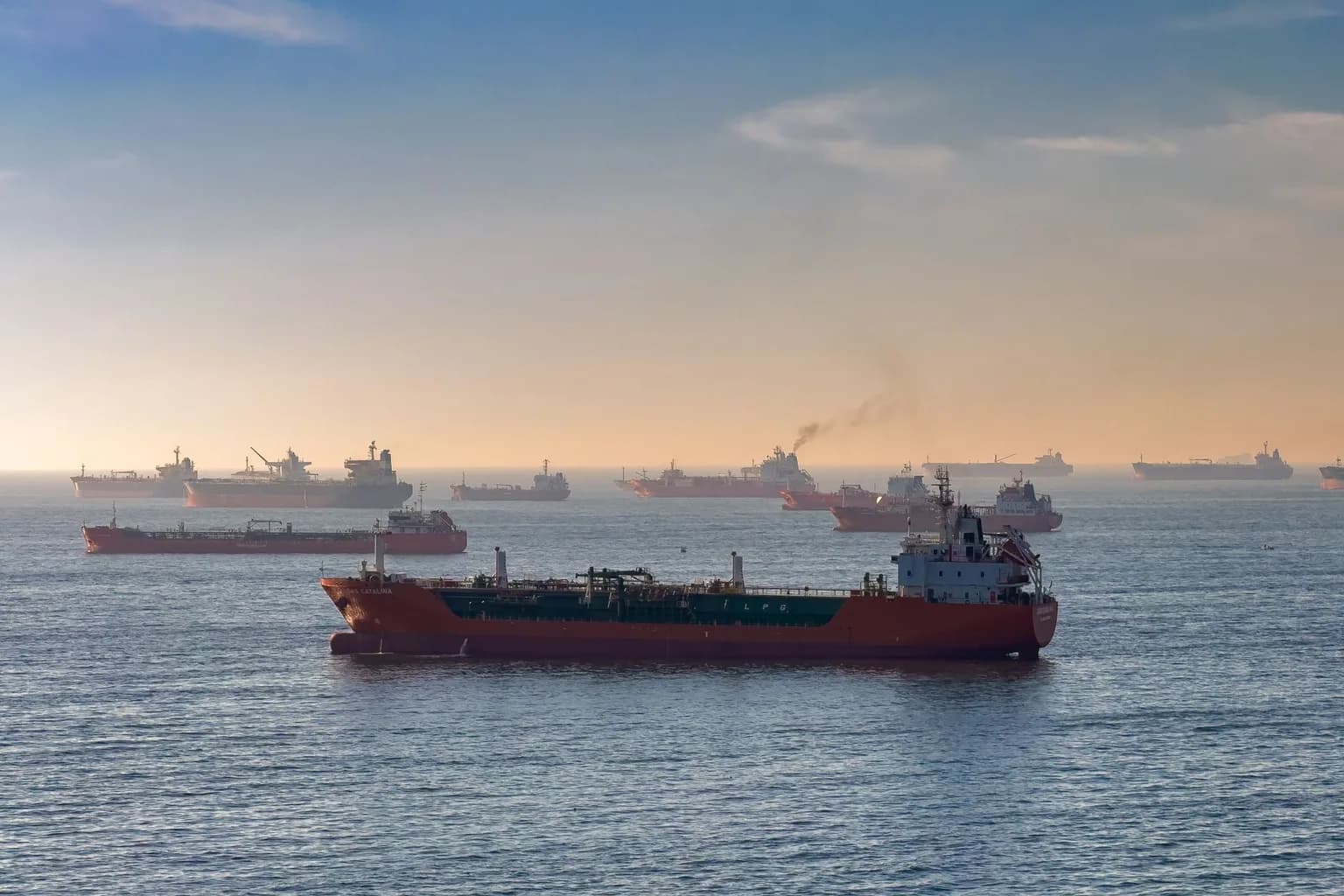
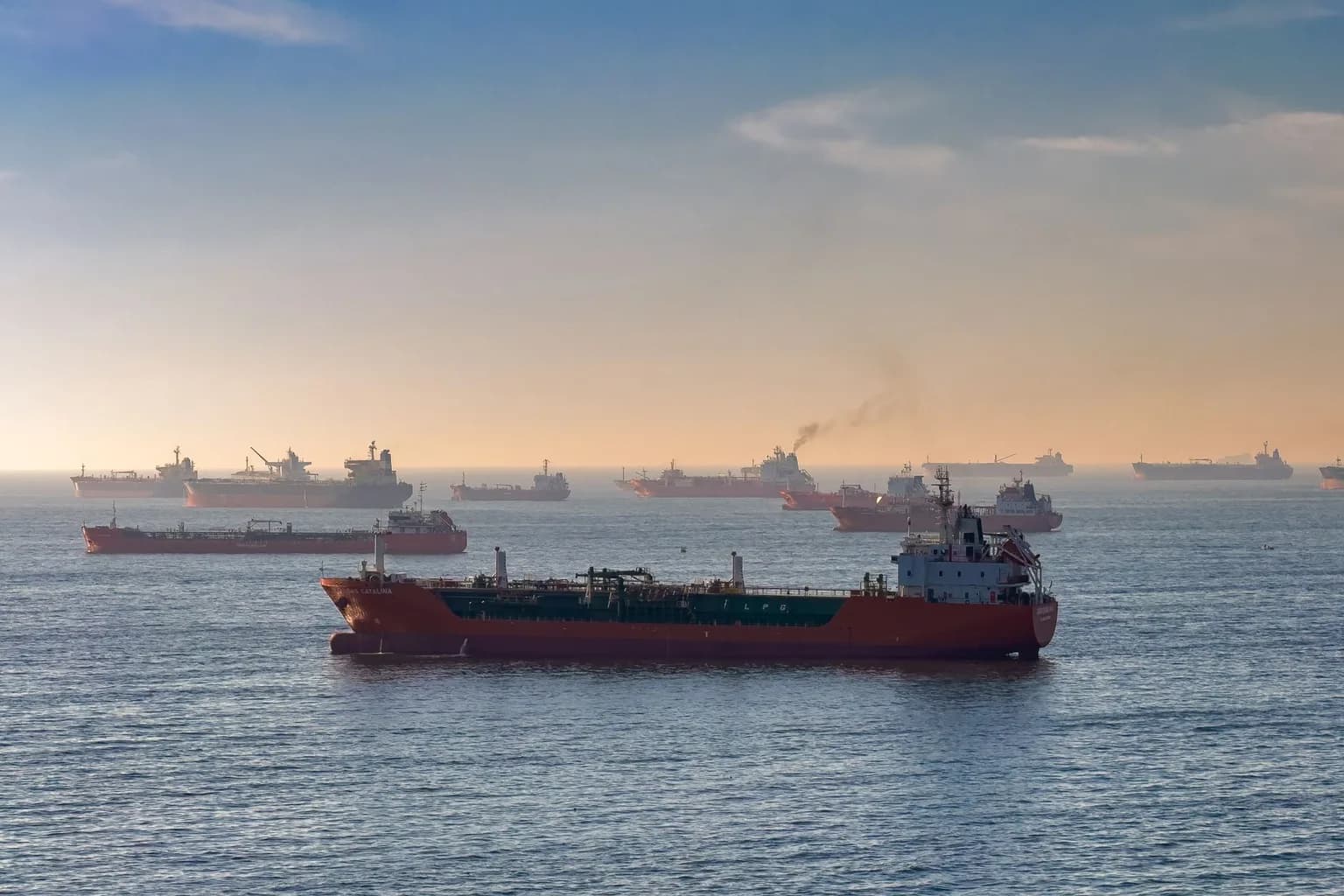
Oil’s latest rise rests on a simple concern: the ships and energy sites that keep supplies moving are increasingly in the line of fire. At least 18 vessels have come under fire over the past two weeks in the Strait of Hormuz, according to ship tracker Kpler.
Front-month US West Texas Intermediate crude futures jumped 4.2% by 6:20am ET to around $107.50 per barrel. Brent crude futures for December delivery rose 1.9% to $111.42 per barrel, their highest price since May 19.
WTI futures for November delivery have now gained in nine consecutive sessions and risen almost 20% for the month. Energy Aspects said both benchmarks had recovered from earlier falls as fears of escalation returned amid rumours of attacks on Saudi energy infrastructure.
Yemen’s Iran-backed Houthi militants carried out a deadly missile attack on Riyadh’s international airport in Saudi Arabia. The Iran-aligned group said on Monday that it had launched several attacks on Saudi energy, airport and military targets, including an Aramco site in Yanbu, the Shaybah oilfield, Riyadh’s King Khalid International Airport and Abha airport.
A Houthi attack on a training camp for government security forces in Yemen’s Shabwa province killed 58 people and injured more than 200 on Monday. A Saudi-led coalition said it intercepted and destroyed a ballistic missile heading for the Red Sea city of Yanbu, a port important to Saudi Arabia’s efforts to bypass the Strait of Hormuz.
Iran’s Revolutionary Guard Corps said on Tuesday that two “non-compliant” oil tankers had been set ablaze in the Strait of Hormuz after striking mines laid by its naval unit. Iranian President Pezeshkian said Iran would prevent freedom of navigation through the strait while sanctions and a US blockade remained in place.
The immediate cost of the disruption is already clear in freight markets. Daily rates for tankers carrying oil from the Arab Gulf to North Asia have risen to more than $1 million, from around $60,000 in January. The cost of shipping oil from the Middle East to China reached $1.4 million a day last week, the highest level on record.
Goldman Sachs estimates that the Middle East conflict has added a $24-a-barrel risk premium to crude prices. The bank raised its December Brent forecast to $90 a barrel from $85.
US President Donald Trump said earlier this month that American forces would not attack Iran before the midterm elections on 3 November. Iran’s Foreign Ministry Spokesperson Esmaeil Baqaei said at a weekly news conference on Tuesday that Tehran would answer any American strike “in equal measure, if not more forcefully.”
Elsewhere, Ukrainian President Volodymyr Zelenskyy said Russian strikes had continued to hit energy infrastructure despite Trump’s announcement of an energy ceasefire. “It is increasingly evident that Russia is unwilling to accept an energy ceasefire proposed by the United States and intends to continue its terrorist air attacks against our people and communities,” Zelenskyy said.
Crude prices remain above $100 a barrel while traders assess whether flows through the Strait of Hormuz can continue without interruption. The market has put a price on escalation. The harder question is whether the physical movement of oil can withstand it.

Comments (0)