

Qatari mediators presented Iran on Sunday with a draft agreement aimed at ending its war with the US and Israel. The proposal sets a seven-day timetable intended to address concerns in both Tehran and Washington, with daily confidence-building measures required from each side.
The effort is the latest attempt to restore diplomacy after the US and Israel launched the war in February. Mediation produced an interim peace agreement in June, though it quickly unravelled. Qatar and Pakistan have led the efforts to end the conflict.
Several countries would guarantee any agreement. Tehran is expected to respond to the draft by the end of the week, and the proposed timetable could begin early next week.
Its prospects remain uncertain. A senior Iranian official said on Wednesday that Qatar had not presented Tehran with a new peace proposal, describing the ideas brought by the mediators as unacceptable. The official said Tehran would show no flexibility over the nuclear issue.
The diplomatic push has unfolded alongside threats of renewed military action. On Friday, US President Donald Trump again threatened to strike Iran. Before Sunday's meeting in Tehran, there were concerns that Israeli Prime Minister Benjamin Netanyahu, who is seeking another term in a general election, could resume attacks on the Islamic Republic this week.
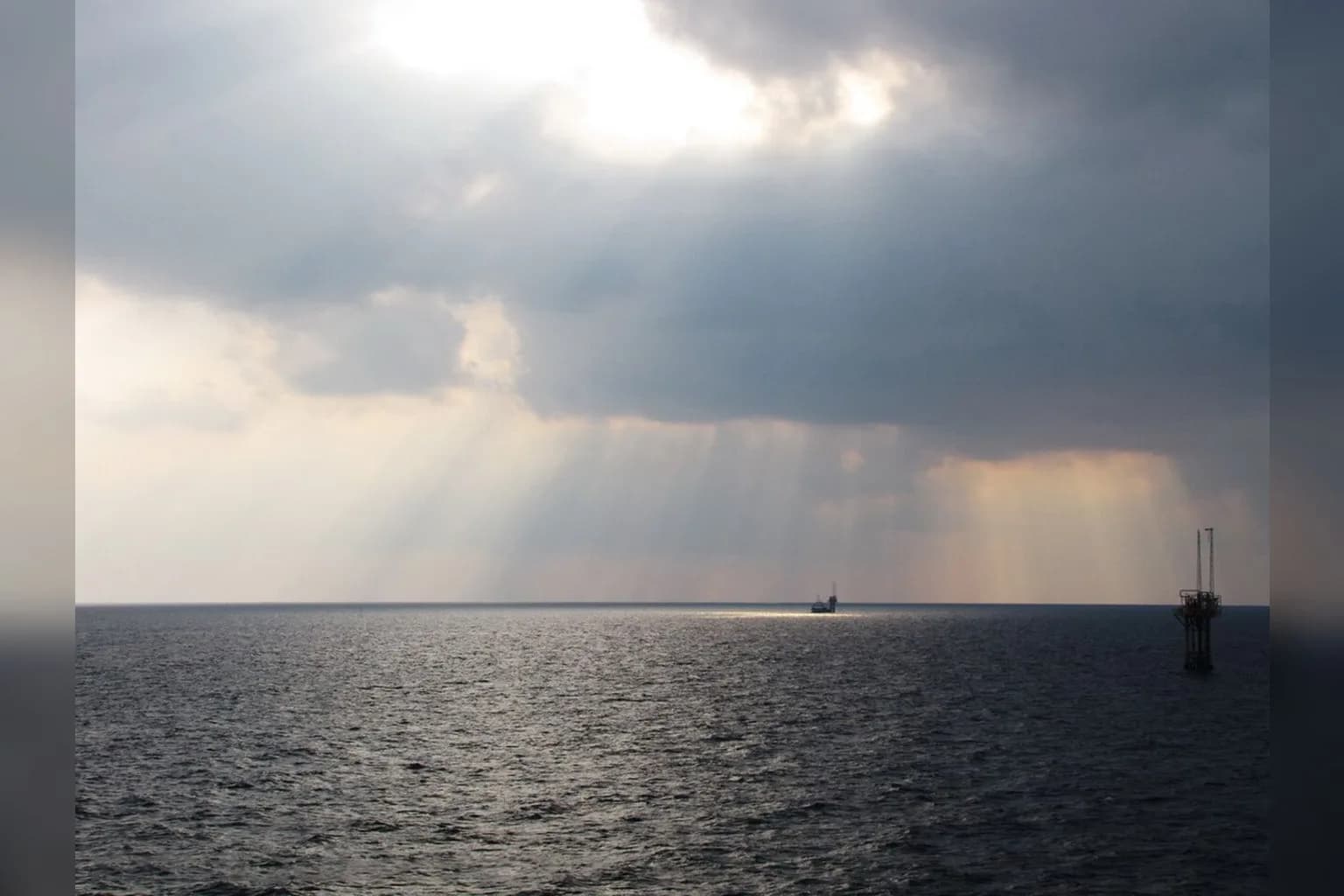
Iran has also signalled its own potential response. Iranian security officials told Reuters that Tehran had prepared detailed plans to attack Gulf undersea cables if the US and Israel resumed their attacks.
The conflict has disrupted global shipping and oil supplies, while spreading into other parts of the Middle East. In recent weeks, Yemen's Iran-aligned Houthis have repeatedly attacked Saudi Arabia, the world's largest crude exporter.
The US military's Central Command has put the cost of the Iran war at an estimated $47 billion. It said $29 billion of that amount was for replacing expended munitions. A September report by the nonpartisan Congressional Budget Office said the war could cost approximately $2 billion to $3 billion per month for as long as it continues.

Comments (0)