
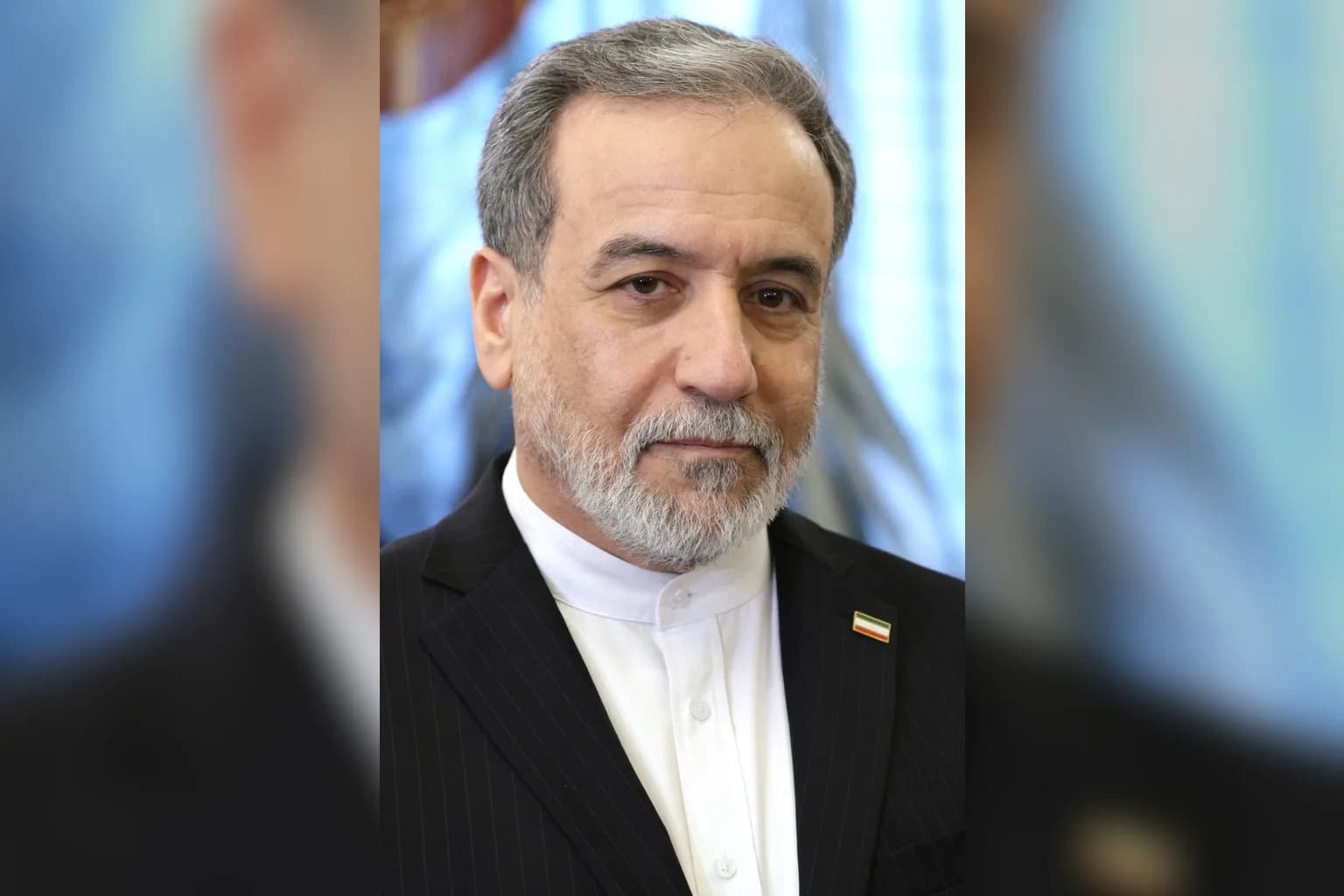
As Iranian Foreign Minister Abbas Araghchi travelled home from New York, Qatari mediators handed him Washington’s response during a stopover in Doha. He took it back to Tehran for consideration.
Iranian diplomatic spokesman Ismail Bagaei has since said Tehran is evaluating a US proposal to end the war in the Middle East, transmitted through Qatar. Iran has also passed preliminary considerations to Qatari mediators, Bagaei said.
The exchange signals that indirect contact has continued even as public statements from Tehran and Washington have pointed in sharply different directions. Qatar has emerged as the principal intermediary in the latest effort.
The US-Iran war has entered its eighth month. A ceasefire agreement reached in June unravelled, bringing renewed conflict.
Talks appeared to gather pace during last week’s UN General Assembly in New York. On September 22–23, the leaders of the two countries gave contrasting speeches a day apart.
Trump had told the UN on September 22 that Iran could be “obliterated” if an agreement was not reached quickly. Iranian President Masoud Pezeshkian responded at the assembly: “The more the Iranian people face US pressure and bullying, the greater their resistance will grow.”
Iran then put forward a plan under which a seven-day countdown would lead to the reopening of the Strait of Hormuz and a pause in fighting. Tehran’s plan calls for the release of frozen Iranian assets, the lifting of sanctions on Iranian oil and an end to the US naval blockade. Reopening the strait remains Iran’s priority.
Trump rejected the seven-day ceasefire proposal on September 26, saying Iran had “overplayed its hand” and that its leaders wanted an agreement because “they are losing so badly”.
Yet Araghchi said on Sunday that Washington had not formally sent a rejection through the mediators. He said he was awaiting an official US response to Iran’s proposal on the Strait of Hormuz.
The public position from Trump has been firmer. “Contrary to Fake News reports, I have offered NOTHING to Iran, nor am I having discussions with them,” he wrote on Truth Social.
In an interview with Axios on September 27, Trump said: “They want to make a deal, but the deal they want is not the deal I want.” He added: “I expect there will be additional meetings with Iran this week.”
US officials have nonetheless described room for further diplomacy. One American official told Axios that talks between Washington and Tehran were “still possible”. Another said “Positive and constructive” discussions were continuing through mediators, including on nuclear issues.
The core dispute lies in the order of measures. The two sides largely agree on the steps required, yet differ over which party should act first.
Qatar has prepared a two-page compromise proposal intended to address Iran’s demands over the naval blockade and Washington’s demand for concessions on Tehran’s nuclear programme. The process is meant to move the two governments towards an enhanced version of the memorandum of understanding agreed in June, including steps concerning Iran’s nuclear programme.
Pezeshkian said in an interview with CBS show ‘Face the Nation’, broadcast on Sunday, that Tehran was ready to discuss its nuclear programme and other issues. He said Iran would not accept “bullying or coercion”.
He met Qatar’s prime minister in New York last Thursday. Meanwhile, Qatari mediators held separate meetings there on September 28–29 with Araghchi’s team and the US side to discuss a revised version of the seven-day plan.
Ali al-Thawadi, a Qatari mediator, met Araghchi and his team in New York for several hours on Monday. Later that day, al-Thawadi travelled to Washington for talks with Trump adviser Jared Kushner and other US officials. Vice President JD Vance joined part of that meeting.
Qatar formally confirmed on September 30 that its shuttle diplomacy was continuing. Majed al-Ansari, a spokesman for the Qatari Foreign Ministry, said: “We are exchanging messages between the parties, and we’re working towards establishing a common ground in order to get into a deal that would save all of us from the repercussions of the conflict.”
Al-Ansari also said: “Qatar’s mediation efforts are ongoing, and we are currently relaying messages between the American and Iranian sides.”
The negotiations therefore remain at the stage of messages, preliminary positions and disagreement over sequence. Some US officials assess that Trump could order a return to major combat operations after the midterm elections.





Comments (0)