
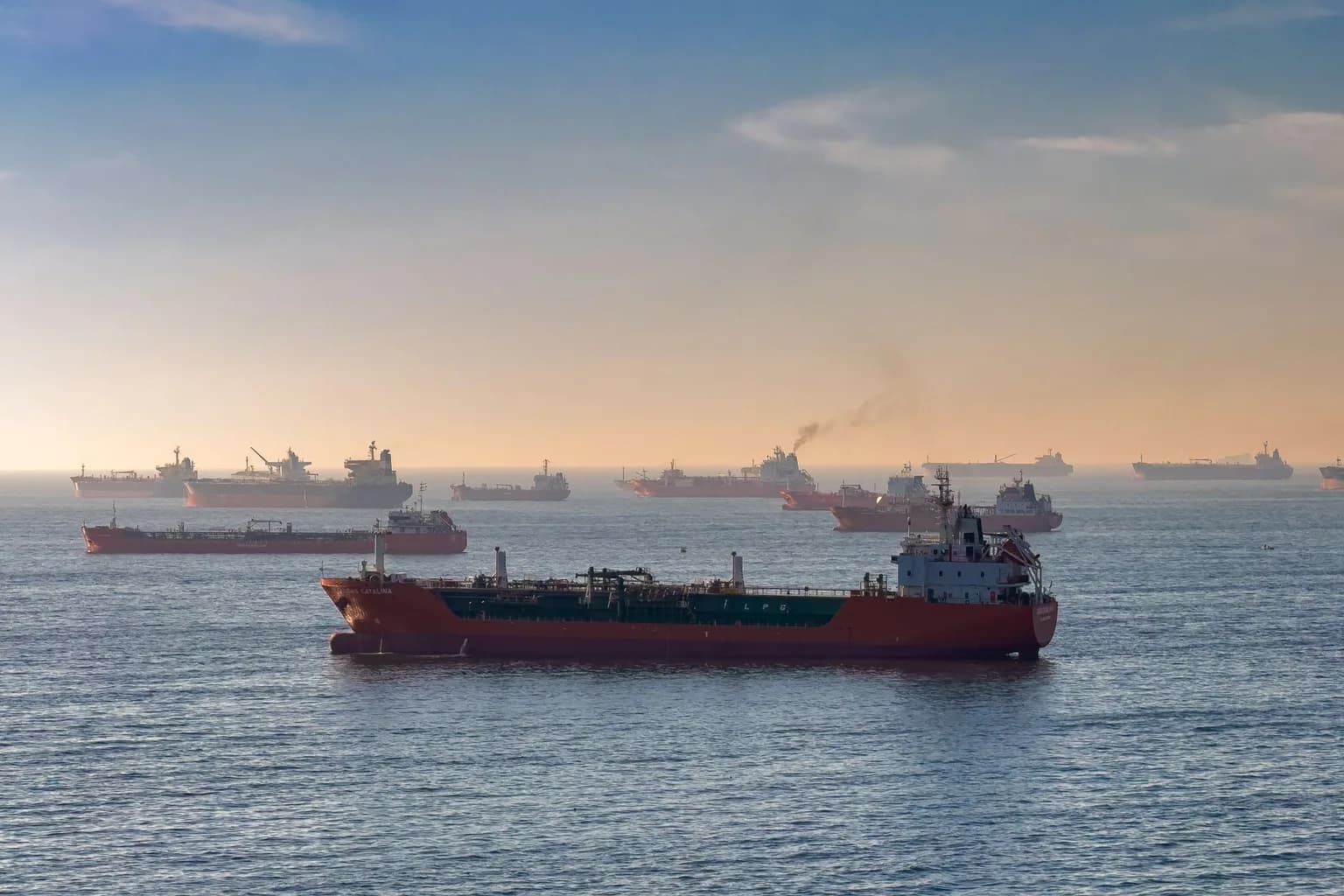
The World Bank has lowered its outlook for the Middle East economy to a 2.1% contraction in 2026, as the war constrains energy supplies and damages production facilities.
The disruption began at the Strait of Hormuz, where the closure initially severely limited energy supplies to the region. Gulf countries’ oil production then fell from a pre-war average of 26 million barrels per day to approximately 16 million barrels per day in March.
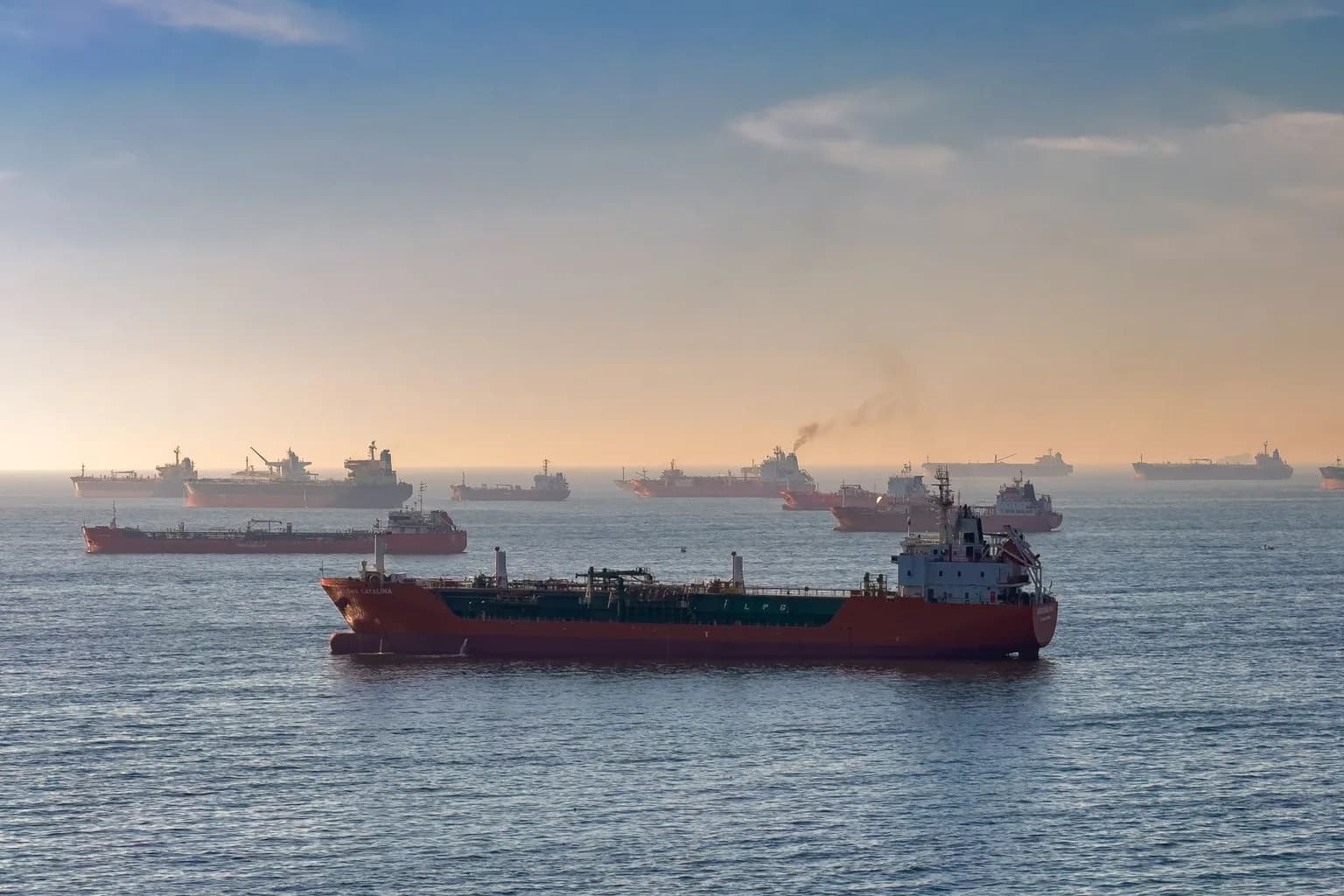
A ceasefire was announced on 8 April and a Memorandum of Understanding was signed on 17 June, yet disruption at the Strait continued. IMF PortWatch monitoring data showed that, as of 27 September, an average of only 3 oil tankers a day were passing through the waterway.
The conflict caused one of the biggest disruptions to global oil supplies in decades. Restrictions on oil shipments through the Strait pushed Brent crude prices to nearly $120 a barrel, roughly two-thirds above the price on the eve of the conflict.
Roberta Gatti, the World Bank’s Chief Economist for the Middle East, North Africa, Afghanistan and Pakistan region, said the losses from the conflict are concentrated in the region, even as forecasts for the rest of the world improve.
The bank said the war has also affected tourism, aviation, logistics and financial markets, while adding to inflationary pressures and raising borrowing costs.
Gulf Cooperation Council economies are now expected to contract by an average of 4.3% in 2026. That is 5.7 percentage points below the World Bank’s April assessment.
Qatar may contract 20.9% in 2026 after damage to production facilities. Its average monthly natural gas production fell approximately 67% between March and July.
Kuwait is forecast to decline 14.6% in 2026, Iraq 12.4% and Iran 7.7%. The UAE is predicted to contract 1.6%, while Saudi Arabia’s gross domestic product is expected to fall 2%. Oman is the only Gulf Cooperation Council member country expected to keep growing, at 3.1%.
Lebanon’s economy may contract 6.4% because of the resumption of fighting between Israel and Hezbollah.
The World Bank’s forecast assumes the Strait of Hormuz will gradually reopen from 31 December. Under that scenario, the UAE could grow 8% in 2027, Saudi Arabia 6.1%, Qatar 25% and Kuwait 20.5%, with Gulf Cooperation Council economies overall growing 8.6%.


Comments (0)