
For Ole Hvalbye, a partner at ABG Sundal Collier, the US-Iran conflict has changed the meaning of a barrel that can be delivered. The market is drawing a sharper line between spare capacity on paper and oil that can physically reach a buyer, he said.
The distinction has become visible in the Strait of Hormuz. Before the conflict, the waterway carried around 20 million barrels per day of crude and products. On Monday, only four commodity vessels crossed it, against a pre-war average of about 125 daily transits.
A US-enforced blockade on Iran-related shipping, reimposed in mid-July, halted Iranian crude exports. Between June and August, around 500 million barrels crossed the region with tanker transponders switched off.
Martin Kelly, a senior intelligence analyst at the security firm EOS Risk Group, said US military assistance for ships in the strait has chiefly come from the air. It includes warnings and interception of threats from drones, missiles or boats.
Saudi Arabia also halted oil loadings at its Yanbu port after the East-West pipeline was damaged. The disruption has tested a trade that had relied on lean, just-in-time supply chains designed for efficiency.
The pressure is showing up in refining and fuel markets. The International Energy Agency estimates that global refinery runs in August were 4.2 million barrels per day below last year. Combined Gulf and Russian diesel and gasoil exports were 1.6 million barrels per day below February this year, while global observed oil inventories have fallen by 507 million barrels since February, including 95 million barrels in August alone.
Naeem Aslam, chief investment officer at Zaye Capital Markets, said Russian and Middle Eastern refinery disruption had pushed diesel prices to record levels.
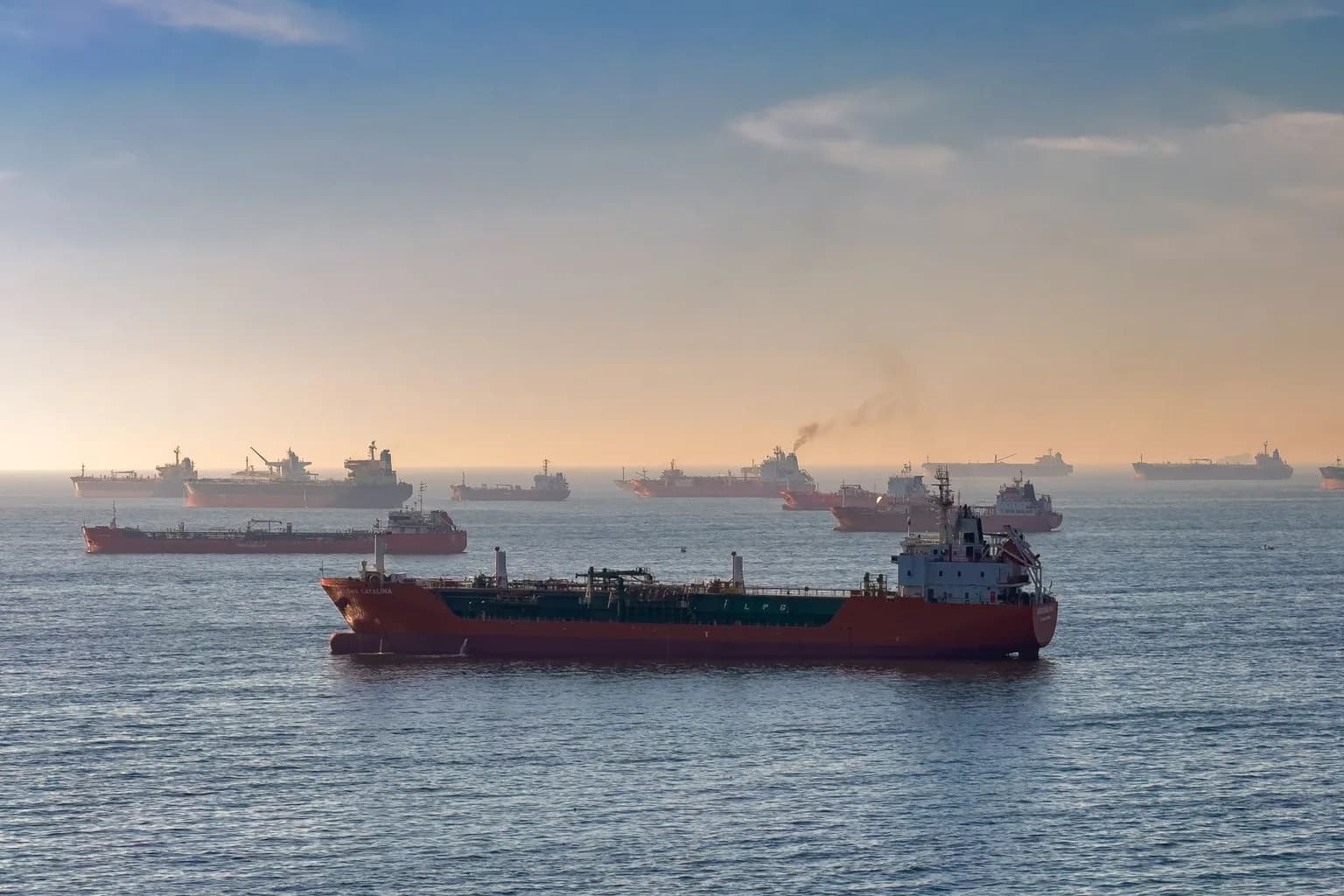
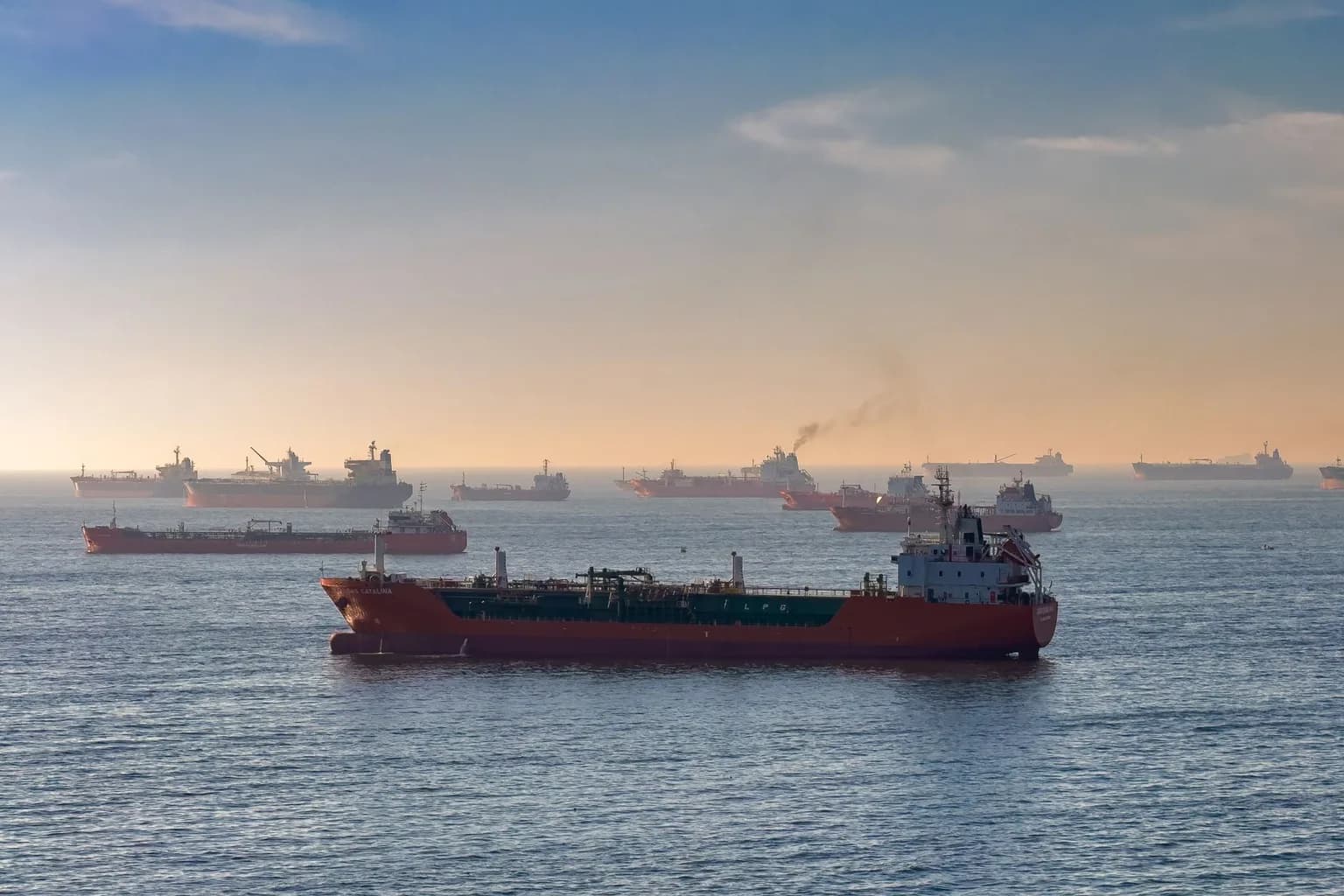
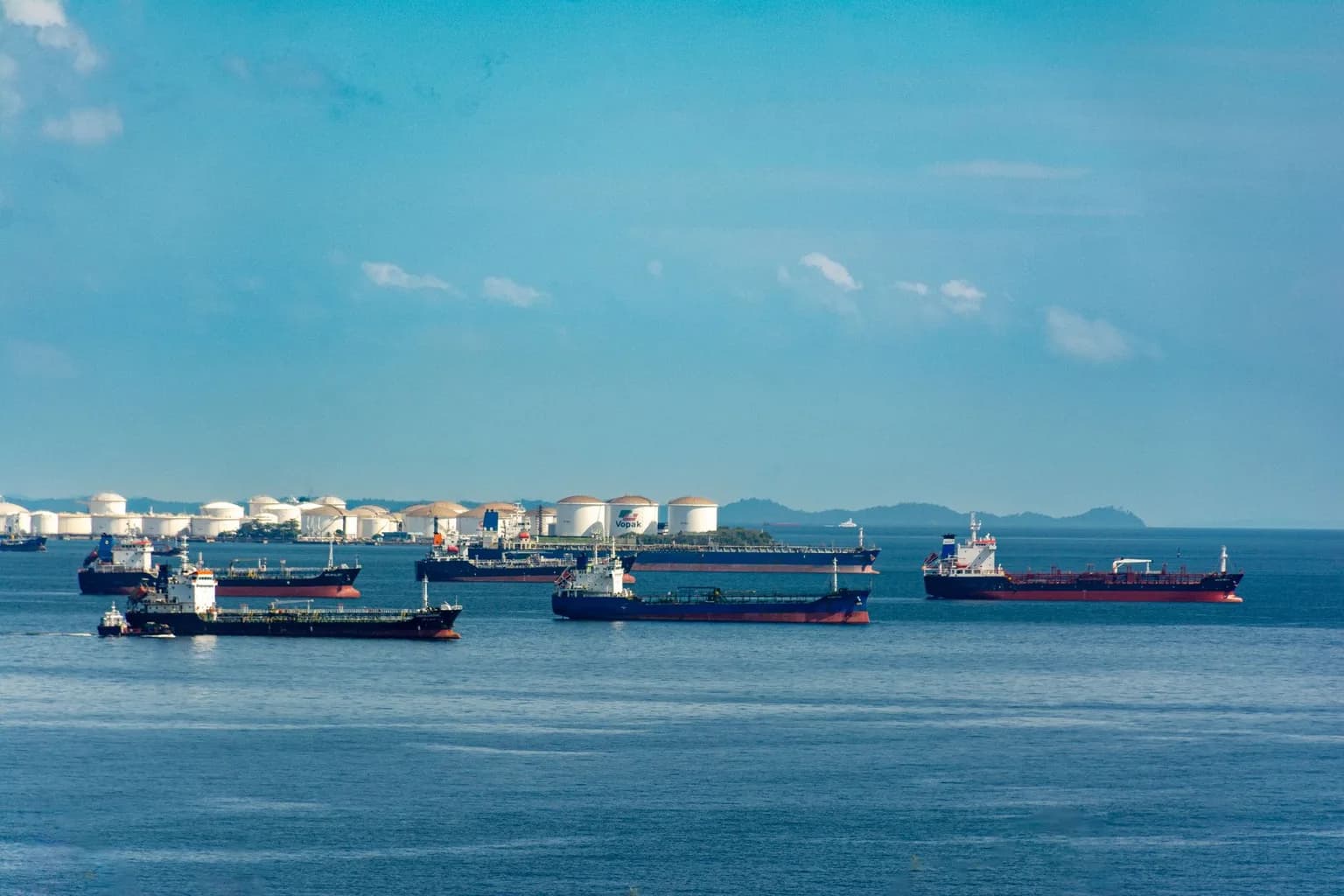
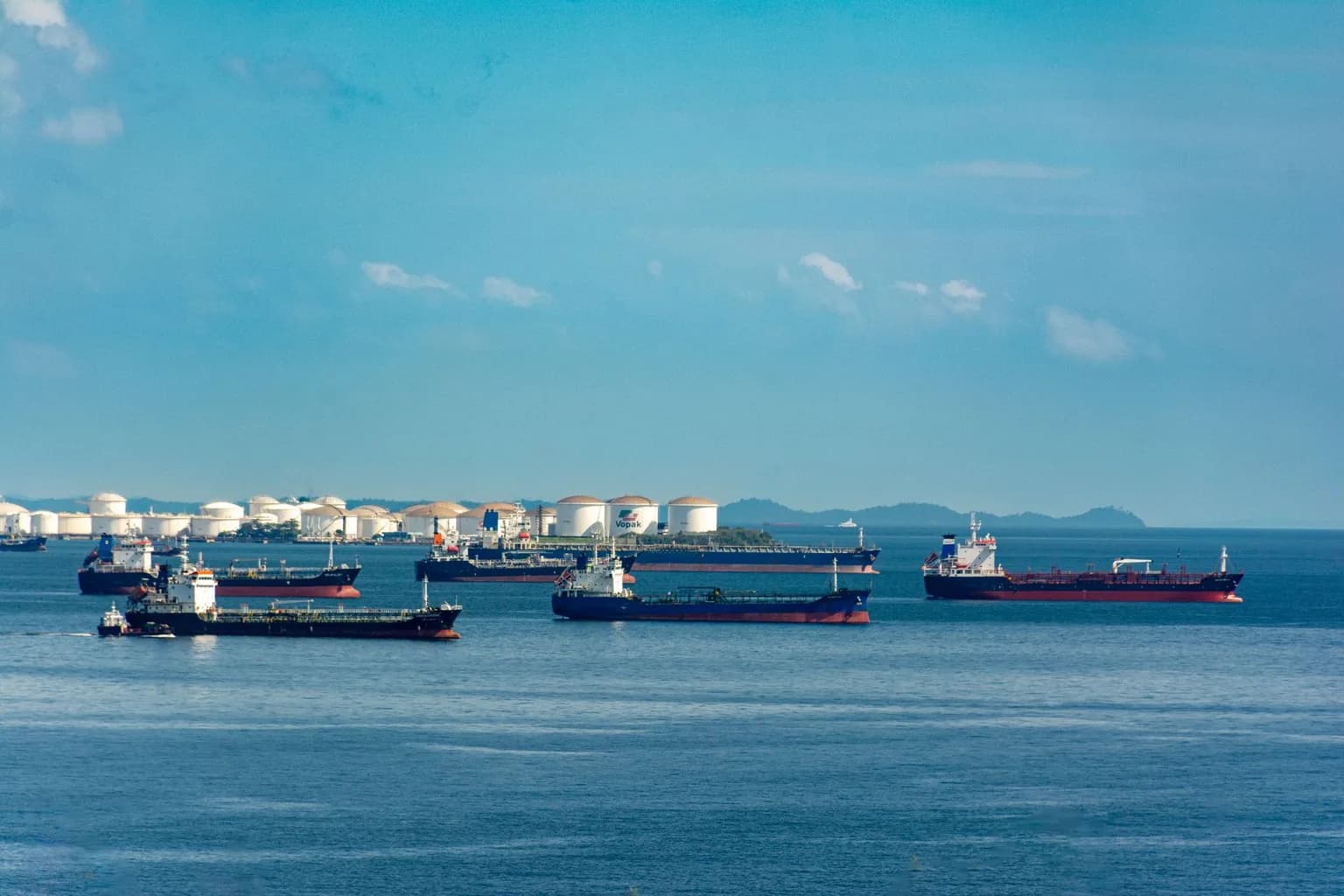
The response has been to build redundancy into the route itself. Most oil now passing through the strait moves in a shuttle system of more than 60 large oil tankers travelling back and forth. Imagery taken on 24 September showed six pairs of ships docked or paired near the port of Sohar, apparently positioned for greater protection from Iranian attack.
Over the week to 30 September, more than four million barrels of oil a day were transferred from ship to ship in the Gulf of Oman. More than 70% of the crude that passed through the strait in August was transferred from shuttle tankers to other vessels there.
Pipelines have taken a larger share of the work. About 40% of oil exported from the region in September bypassed the strait through overland pipelines to ports on the Red Sea or the Gulf of Oman, up from 17% before the war. Just under 20% of crude was leaving through Red Sea ports at the end of Saudi Arabia's East-West Pipeline, which was exporting more than four million barrels per day.
The workarounds have restored much of the lost flow without restoring the old pattern. In the final week of September, daily oil flow from the Middle East reached 92% of its pre-war baseline. An average of 12 million barrels per day passed through the strait over the week to 30 September, compared with a pre-war baseline of 17 million.
Naveen Das, an analyst at maritime intelligence firm Kpler, said the greater use of pipelines was likely to become the “new normal”. He said: “it seems very improbable that we live in a world whereby the Gulf countries and Iran go back to being relatively harmonious”.
Hvalbye said the outcome was unlikely to be a single permanently high oil price. He said secure logistics, inventories, flexible refining and diverse sources of supply would carry greater value.
Comments (0)