
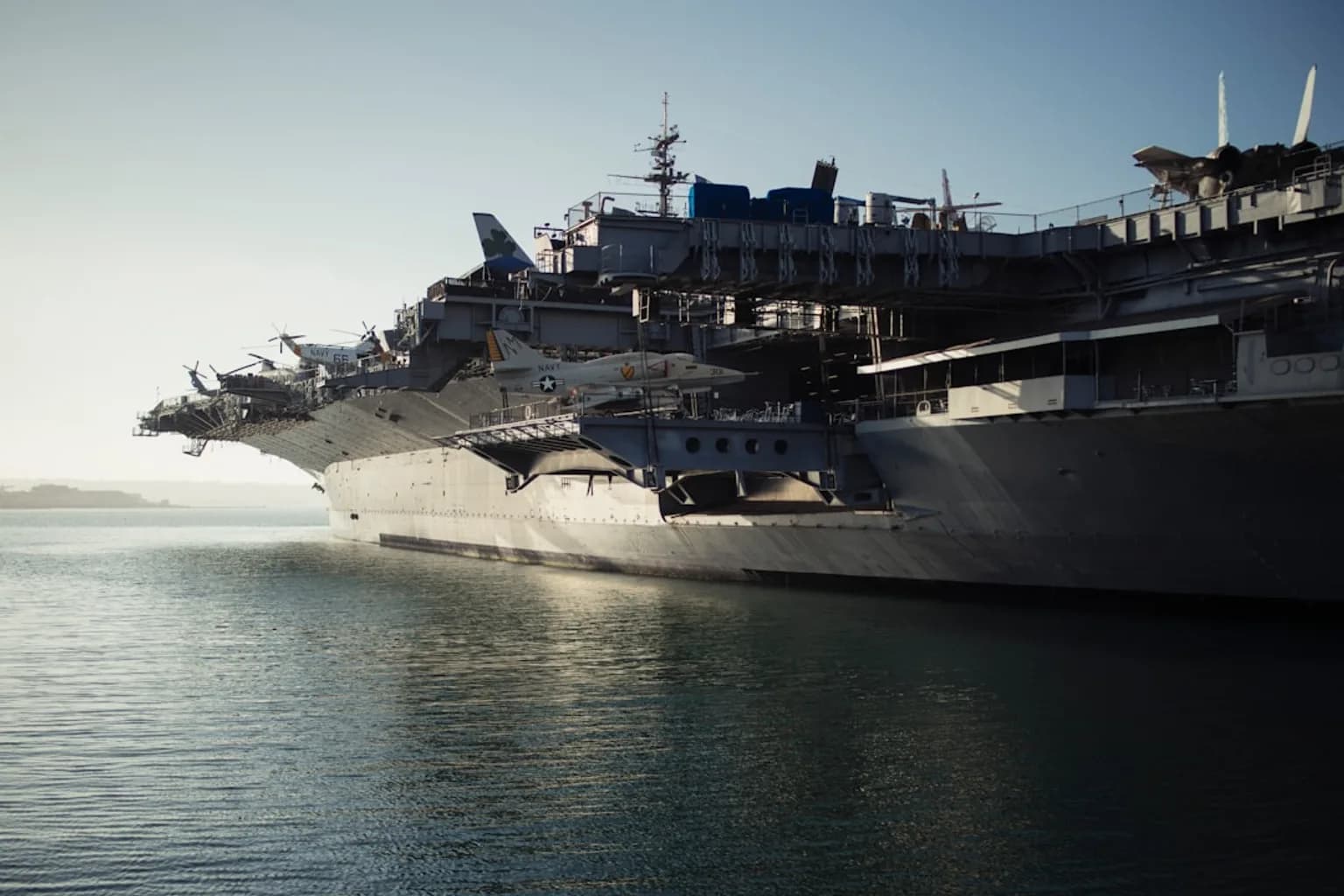
The USS Theodore Roosevelt carrier strike group left San Diego on 27 September. The USS Makin Island amphibious readiness group set sail for the Middle East on 28 September with about 2,000 Marines from the 13th Marine Expeditionary Unit aboard. Together, they are part of a US force of roughly 9,000 sailors and Marines being sent aboard a flotilla of warships.
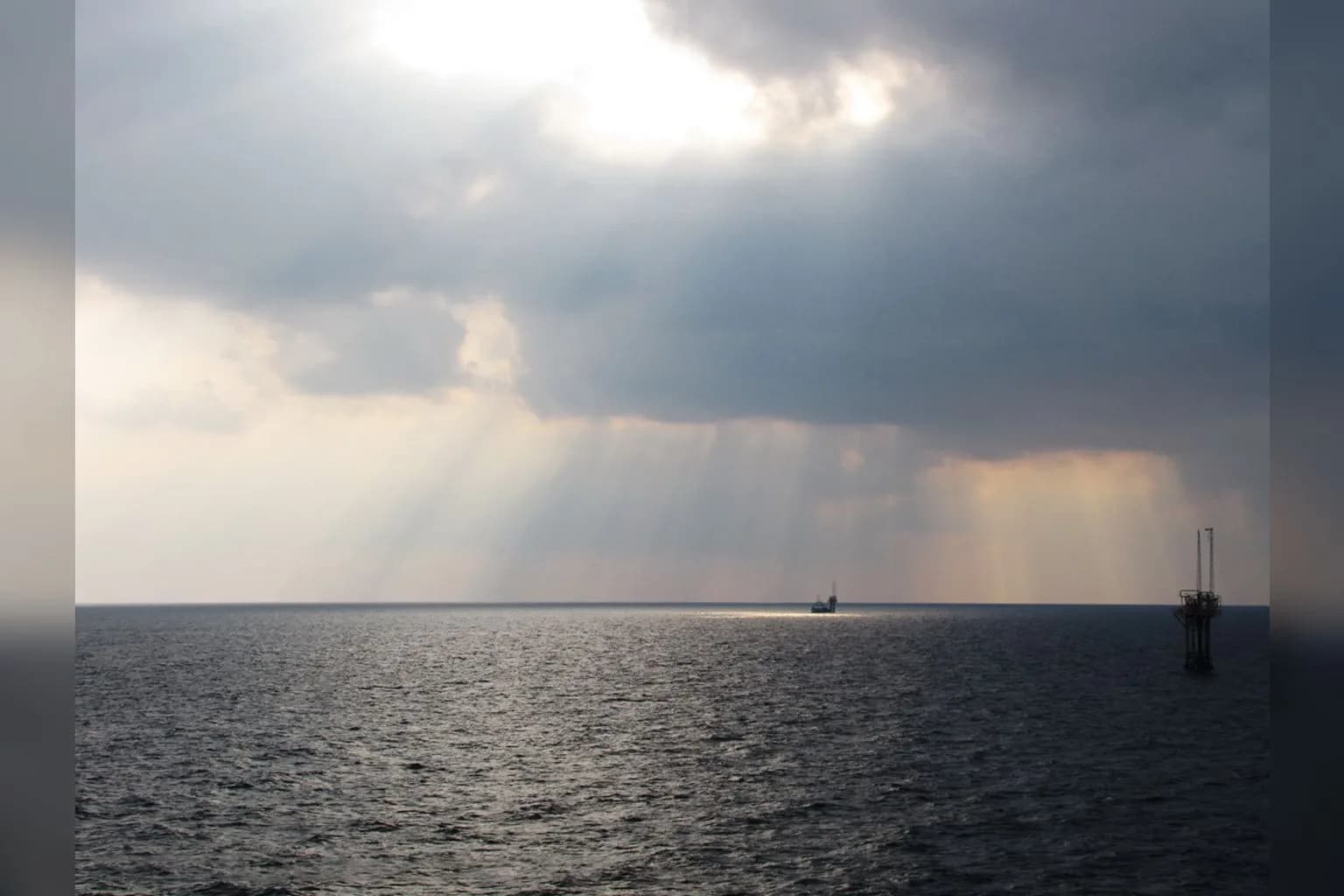
The deployment heads towards a Strait of Hormuz that has effectively been closed. A fragile ceasefire broke down and fighting restarted in late summer, while the eight-month US-Iran conflict has stalled diplomatic efforts.
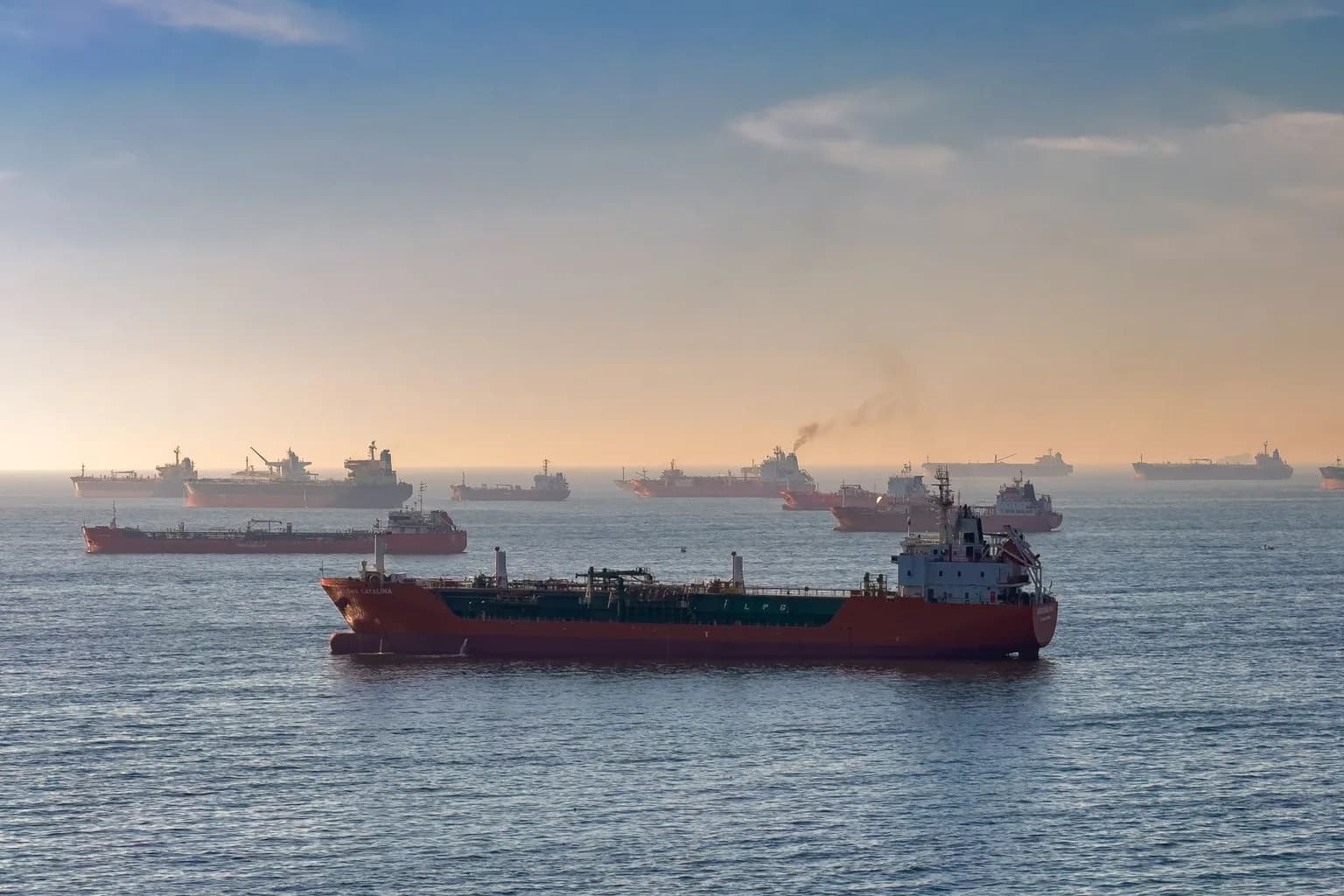
The danger to crews was laid bare on the Panama-flagged tanker El Gaia. A projectile hit the vessel and started an engine-room fire. El Gaia was later towed to an Omani port, while two sailors remained missing and 23 were rescued.
The US military said an Iranian missile struck the tanker last month, followed by a drone attack over the weekend.
The International Maritime Organization says at least 22 seafarers have died in 79 confirmed incidents across the Strait of Hormuz and the wider Middle East since the US and Israel's war with Iran began at the end of February.
A fifth of global oil and gas shipments usually travel through the strait. Iranian missile and drone attacks on commercial vessels, alongside a US naval blockade of Iranian ports, have in practice shut the route.
The US and Iran reached a preliminary June agreement intended to end the war and reopen the strait. It fell apart within weeks after attacks on shipping resumed and the US brought back its blockade.
US officials told The Wall Street Journal that the additional forces are designed to give Washington broader military choices if talks with Tehran fail. The deployment ranks among the largest concentrations of US naval power in the Gulf and Arabian Sea since the 2003 invasion of Iraq.
Three American aircraft carriers could be in the region by late October or November. Should all three stay in theatre together, it would mark the first time since April that the Middle East has had three US carrier strike groups at once.
The deployment would take the US naval presence to more than 20,000 sailors and Marines, supported by hundreds of aircraft.
President Trump has said increased bombing of Iranian targets is 'possible' after the November midterm elections.
Alongside the military deployment, the US and 66 other countries have urged UN members to enforce reimposed sanctions on Iran. G7 countries have agreed to release up to 100 million barrels of diesel and crude.
Comments (0)