
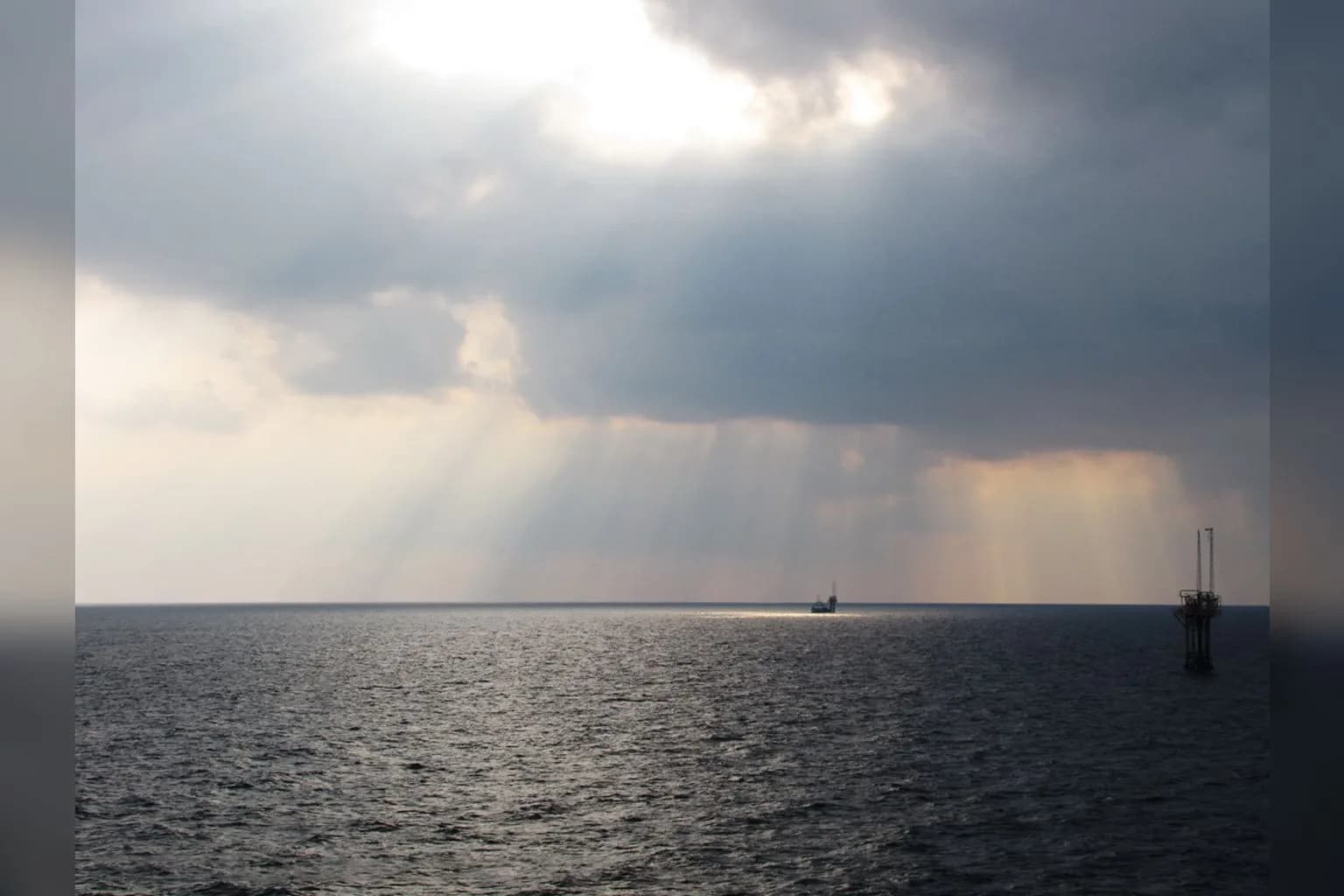
Tanker attacks in the Strait of Hormuz reached their highest weekly level since the war began, while commercial traffic through the waterway remained a fraction of normal levels. The disruption has constrained oil supplies for major buyers and added to pressure on prices.
The International Maritime Organization recorded 9 tanker attacks in the strait in the week of 28 September to 5 October 2026. Reuters, citing sources, put the number at 12, though that figure could not be independently verified. The previous weekly high was 8 attacks in mid-July.
One vessel, the Aframax tanker On Peace, was struck on 5 October. Twelve of its 19 crew were injured.
The crisis began when US and Israeli strikes on Iran started on 28 February 2026. Iran declared the strait closed to hostile shipping the same day. Attacks on merchant ships began on 1 March, and the Islamic Revolutionary Guard Corps officially confirmed the closure on 2 March.
There was a short-lived opening. The Islamabad Memorandum brought a partial reopening on 17 June 2026, before the ceasefire collapsed on 8 July. The US reimposed its naval blockade of Iranian ports from 14 July.
As of 8 October 2026, the crisis had lasted 223 days. Ships are still moving chiefly with naval escorts or through shuttle arrangements rather than under normal free transit. Many have switched off their transponders.
AIS-visible commercial traffic has averaged 9.9 ships a day over the past week, compared with 84.8 before the crisis. International Monetary Fund PortWatch satellite tracking recorded 0.9 tankers a day in the week to 4 October 2026, 98% below the September 2025–February 2026 average of 40.4 tankers a day.
Oil flows through Hormuz averaged 13.2 million barrels a day on a 7-day average through 29 September. That was about 77% of Kpler's pre-war baseline of approximately 17 million barrels a day. Before the crisis, oil flow was 19.9 million barrels a day.
The strait carries oil flows equal to roughly 15.8% of world oil demand and approximately 20% of global liquefied natural gas trade. There is no sea route around it.
China was the largest single destination for Hormuz crude in 2025, receiving 4.6 million barrels a day. India received 2.1 million barrels a day.
Diplomatic efforts have yet to produce a reopening. Iran's foreign minister set out a seven-day plan at the UN in New York on 24–25 September 2026. President Trump rejected it on 26 September, and Qatar held separate talks with both sides on 28–29 September.

Comments (0)