

A couple of weeks before 10 October 2026, Ursula von der Leyen, the president of the European Commission, described the past season as “the summer of truth” in her State of the Union debate speech.
The first heatwave had arrived in May 2026, starting a summer of unusually early and intense heat. Across Europe, the season became the third-warmest summer on record. In western Europe, it was the worst summer on record.
Western Europe recorded an average temperature of 21.7 degrees Celsius, 2.5 degrees above the average for the years 1991 through 2020. There were 17 days when temperatures exceeded 30 degrees in at least 60 percent of Western Europe, compared with 11 days in 2003 and 7 days in 2025.
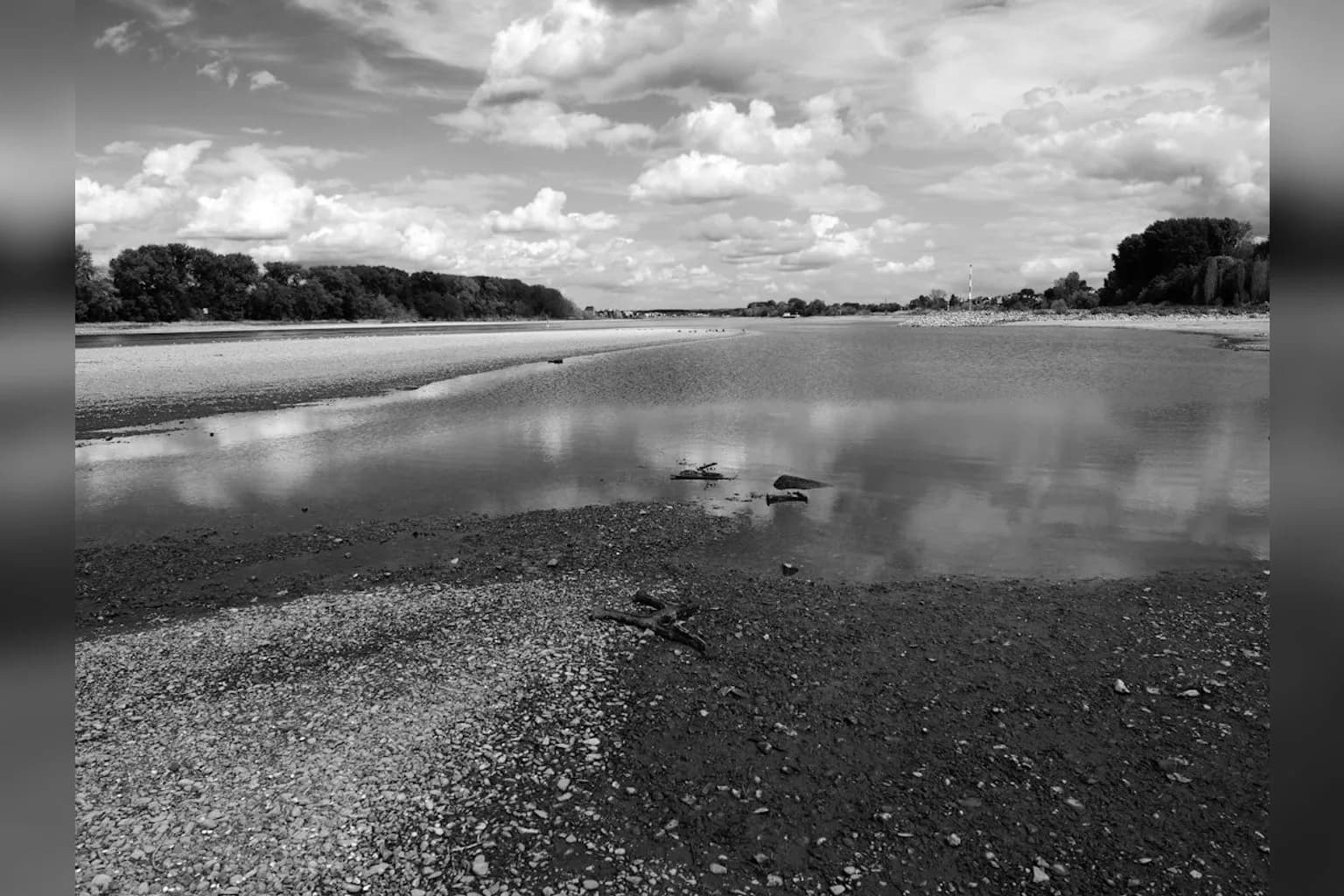
The heat drove the flow of 12 of Europe’s largest rivers to its lowest level in 30 years during summer 2026. In July and August, the Rhine, Danube, Po, Loire, Rhône and Seine all recorded record-low flows at the same time.
Those waterways have an important role in carrying freight and cooling nuclear plants. As levels fell, power plants shut down nuclear reactors when cooling water was at risk of failing, while cargo transport could not proceed on low rivers.
The consequences extended beyond transport and individual reactors. Low water levels increased pressure on irrigation, nuclear reactor cooling, hydropower, freshwater availability and energy supply.
On 2 October 2026, the EU Copernicus Climate Change Service published its seasonal assessment of the crisis. It said this was “the summer with the lowest river flows on the continent since records began at the European Flood Awareness System in 1992”.
By the end of the season, a record 52 percent of the continent’s land area had been exposed to heat stress classified as “very severe”, corresponding to heat index readings of 38 degrees or higher.
Summer 2026 also surpassed 2003 in heat severity. The 2003 heat caused tens of thousands of deaths linked to extreme heat.
Wildfires added another strain. As of 2 September, the area burned in the EU was nearly twice as large as the average for the years 2006 through 2025. Spain and France were particularly hard hit, and millions of people were exposed to dangerous air pollution from the fires.
In one visible sign of the rivers’ retreat, receding water exposed an 80-year-old Nazi ship during the summer.




Comments (0)