

Chief Warrant Officer 5 Jerry Brown said the Army had concluded that robotics could no longer sit alongside the existing demands on special forces personnel. “What we've determined is it cannot be an additional task or an additional hat for someone on the ODA,” said Brown, the Command Chief Warrant Officer for 1st Special Forces Command (Airborne).
That judgement followed an Army finding that robotic systems were becoming more widely available than units were able to incorporate them into operations. The Army considered a separate specialty necessary so that special warfare operators would not have to acquire another highly complex skill set.
The effort had been under way since 2024, when US Army Special Operations Command said it aimed to train specialists in autonomous systems. The Special Operations Robotics Detachment was established in March 2024, with responsibility for Group 1-3 classes of unmanned aerial systems.
Brown said the new specialty would give the Army someone able to focus on “that specific tech capability, whether it be ground, air, or just unmanned systems as a whole”, which he described as the stronger way to integrate the capabilities required in future combat.
The 390A Robotics Technician military occupational specialty, or MOS, was publicly unveiled during the Maneuver Warfighter Conference on September 16. There, Vice Chief of Staff of the Army Gen. Christopher C. LaNeve said: “The Army is implementing changes in force structures, adding a multi-domain task force equipped with autonomous long-range fires. These technical experts will help command teams understand integration across the force. We are scaling this across the Army.”
On October 1, 2026, the Army officially activated the 390A specialty. The acting secretary of the Army also directed the creation of 390A manning slots in all applicable Army units.
The next day, 10 warrant officers became the inaugural class at the 390A Activation and Induction Ceremony in the JFK Auditorium at Fort Bragg, North Carolina. Lt. Gen. Steven M. Marks, Vice Commander of United States Special Operations Command, was the ceremony’s keynote speaker. Chief Warrant Officer 5 Gary Ostrander, Chief Warrant Officer of the Special Forces Branch at the US Army John F. Kennedy Special Warfare Center and School, held a leadership role at the facility where the officers trained and were inducted.
The officers completed an intensive 19-week course. Its work included coding, operating uncrewed systems and countering them, as well as building autonomous systems able to navigate with onboard sensors rather than GPS or radio signals.
Candidates had to build drones from scratch that could navigate without GPS or radio frequencies, relying primarily on artificial intelligence and machine learning.
The capstone required them to design, print and code a new robotics system under tactical field conditions. That exercise required a system incorporating artificial intelligence and machine learning to navigate using onboard sensors without GPS or radio signals.
The new technicians will go to tactical formations at brigade and group level. They will act as subject-matter experts on robotic and autonomous systems, covering their programming, construction and repair, along with their integration into combat. As advisers to commanders, they will also help decide how autonomous systems should be deployed during operations.
Soldiers in the 390A MOS will neither join a core 12-man Special Forces A-team nor undergo Special Forces selection. The distinction places the role alongside combat formations while separating its technical demands from the route followed by Special Forces personnel.
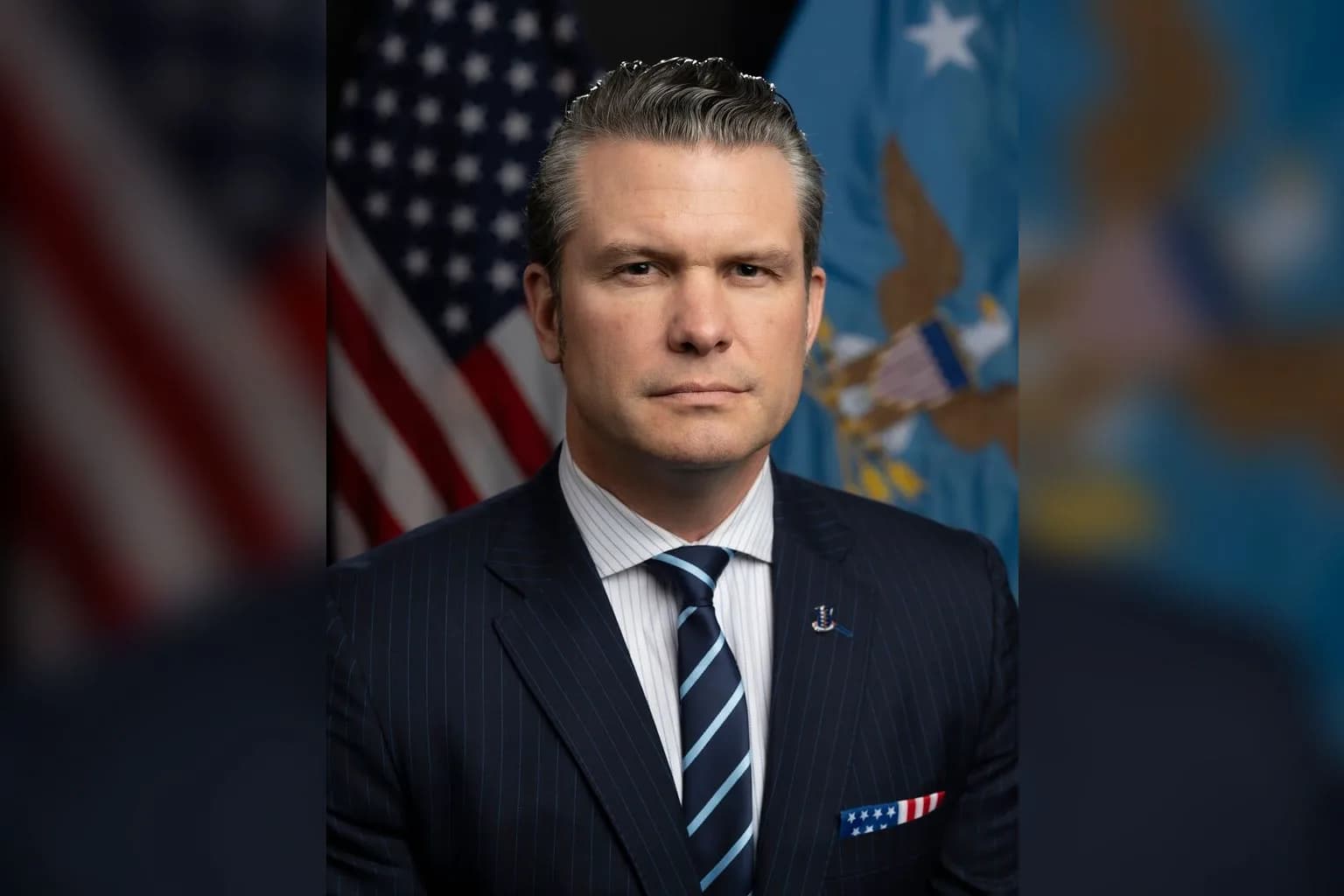
The Army’s move forms part of a broader push on autonomous systems. War Secretary Pete Hegseth announced plans for a new four-star Autonomous Warfare Command. Army leaders also issued a memo setting out steps to speed the acquisition and fielding of autonomous systems in armour, sustainment, training and fires formations.
1st Special Forces Command also held its inaugural Best Drone Team Competition at Fort McClellan and Clarke Range Complex August 24-28. The five-day event was intended to assess and strengthen unmanned-systems proficiency.




Comments (0)