
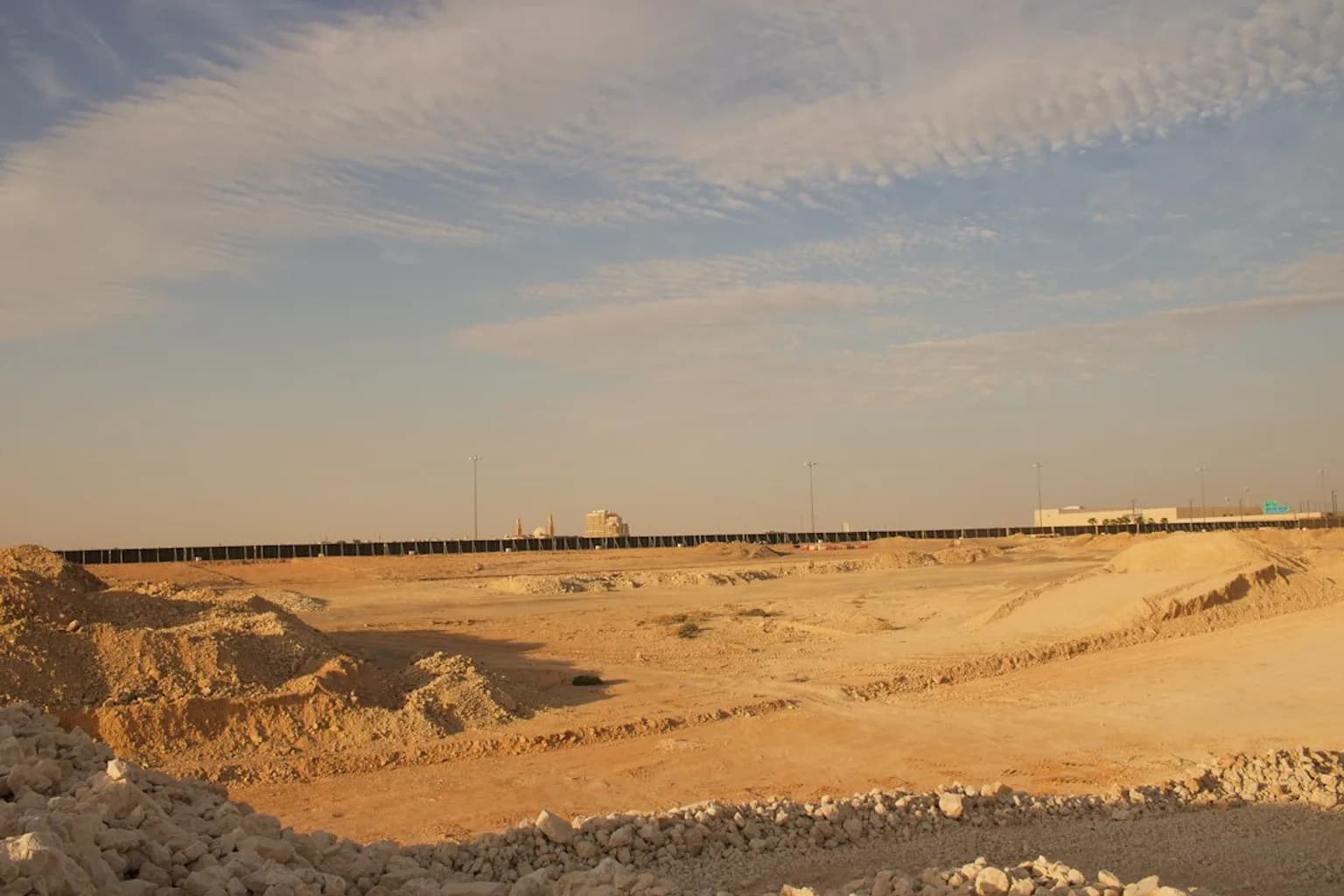
Saudi Arabia is considering raising the capacity of oil pipelines leading to destinations outside the Persian Gulf to 10 million barrels a day within two to three years, Energy Minister Prince Abdulaziz bin Salman said at the WPC Energy Congress in Riyadh on Monday.
“We may end up with 10 million barrels within the next two to three years,” Prince Abdulaziz said.
The proposal follows a test of the East-West pipeline, which links Saudi Arabia’s eastern oil-producing region to the Red Sea and offers an alternative to sending crude through the Strait of Hormuz.
The line was shut on 10 September after drones launched from Iraq attacked it. Saudi Arabia resumed using it five to six days later, the minister said.
By 6 October, it was carrying 5.8 million barrels a day after operations restarted. Saudi Aramco had raised flows to close to 6 million barrels a day, more than 80% of its capacity, according to a person familiar with the matter.
Prince Abdulaziz said use of the pipeline during the crisis had already more than paid for it.
The East-West pipeline was built in 1981 and has a maximum capacity of 7 million barrels per day. Actual flows had been lower in recent months, reaching about 2 million barrels per day in August, the lowest monthly level since January, according to Kpler.
The planned expansion would improve pumping stations on the East-West pipeline and convert a gas pipeline to carry crude.
That gas line could transport about 1.2 million barrels a day within seven to eight weeks, Prince Abdulaziz said. Further investment could lift its capacity to 3 million barrels a day.
The minister said he had told Amin Nasser, Saudi Aramco’s chief executive officer, that the pipeline could carry oil until May. It would then require cleaning before returning to domestic gas supplies during the summer.
Saudi Arabia and Aramco are fitting the system with dual-use pumping stations and compressors, allowing it to carry either oil or gas as circumstances require.
The push comes as Saudi Arabia seeks greater resilience against waves of Houthi attacks on energy and aviation infrastructure. Houthi attacks have also made the Red Sea route difficult to use.
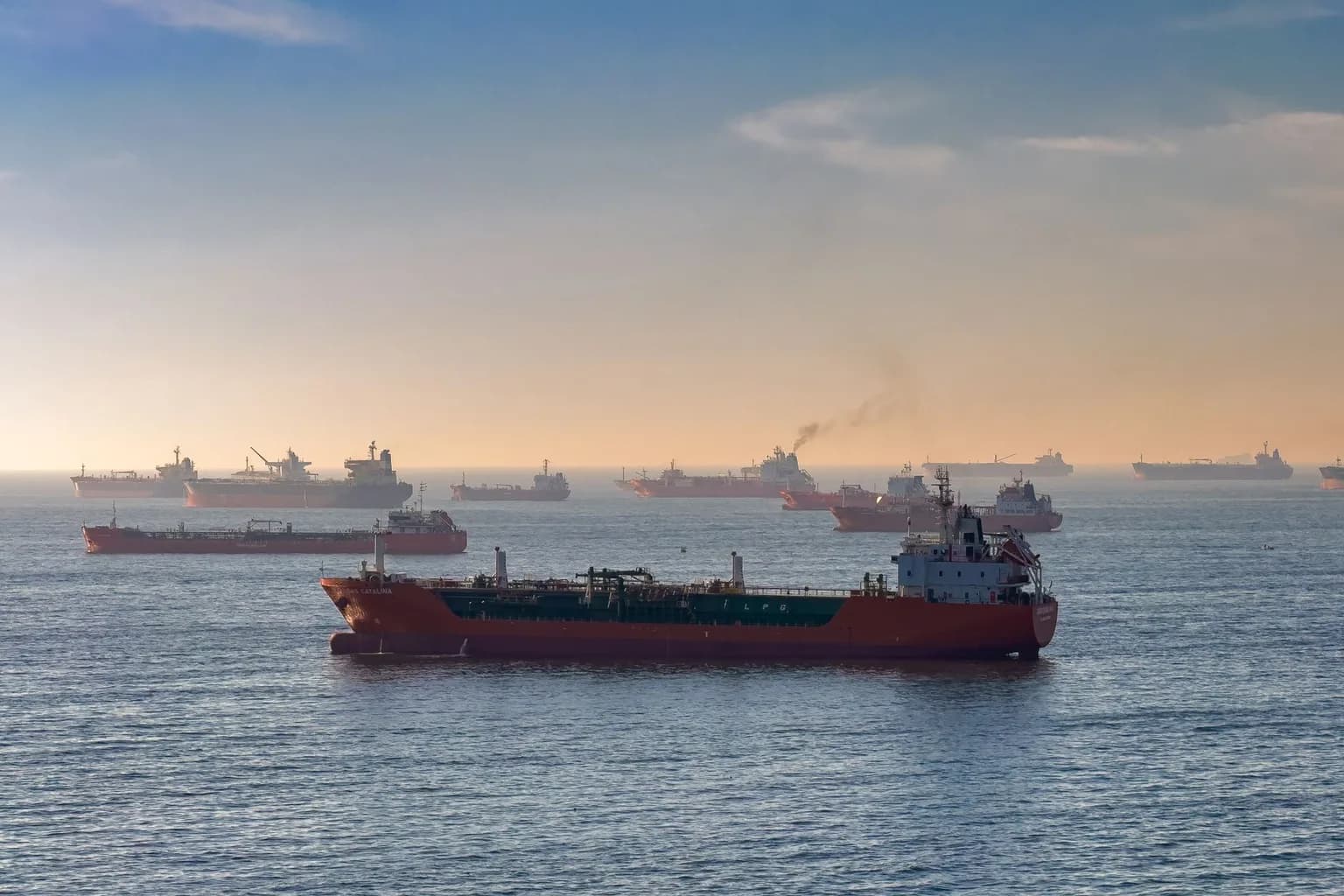
Pressure is also building in the Strait of Hormuz. Iran has stepped up attacks on tankers there in recent days, with UK Maritime Trade Operations reporting nine attacks in the waterway already in October, half the total reported for all of September.
About 12 million barrels a day of crude have exited the strait over the past seven to 10 days, according to Russell Hardy, chief executive officer of Vitol Group.

Comments (0)