
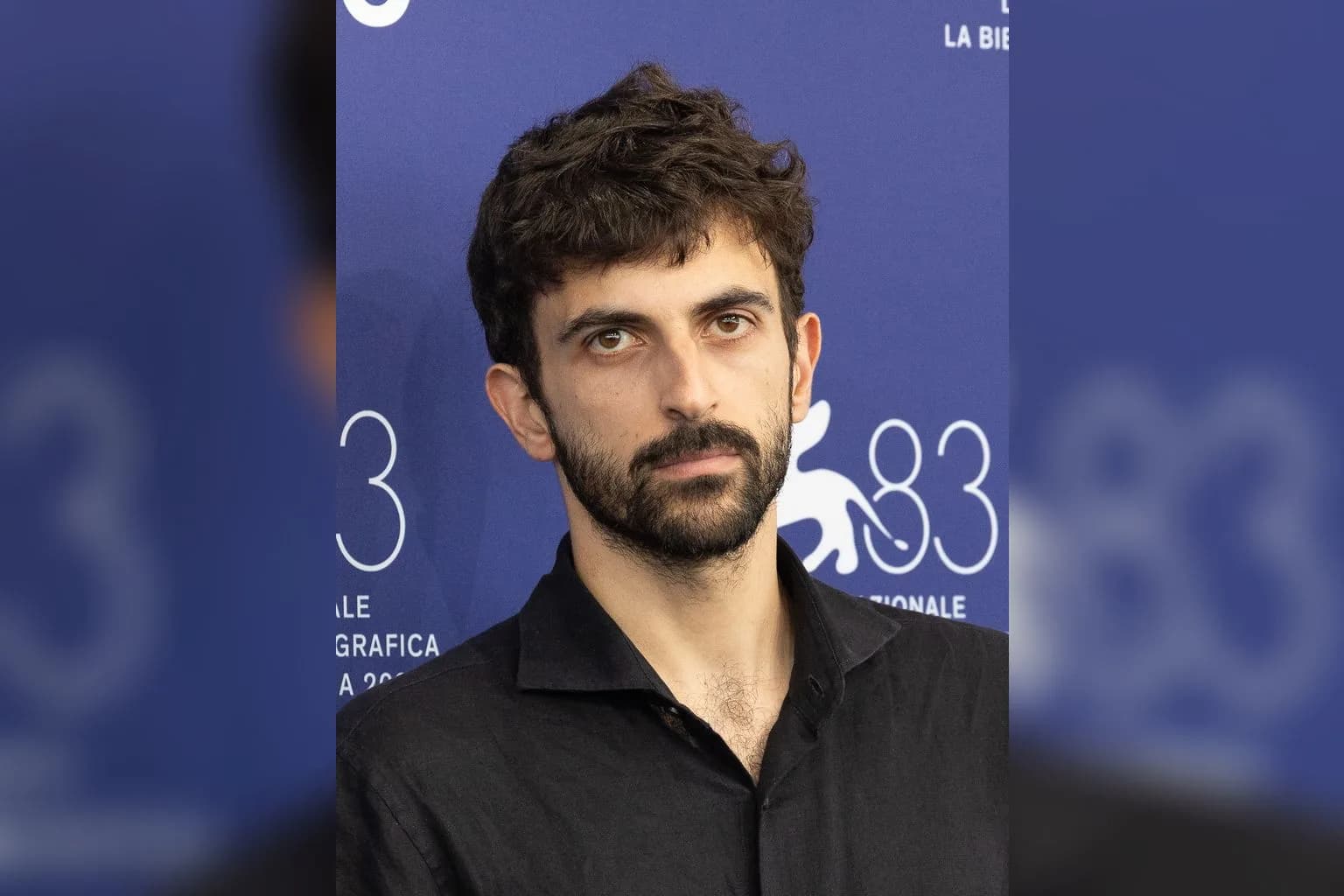
Yuval Abraham and Rachel Szor, the Israeli filmmakers behind the 80-minute documentary ‘NAZA’, brought interviews with 24 anonymous Israeli soldiers and officers to the Venice Film Festival. The title draws on an Israeli military acronym for ‘collateral damage’.
Its premiere received a standing ovation reported as lasting either 24 and a half minutes or 25 minutes. Two days later, on 12 September 2026, ‘NAZA’ won the festival’s Special Jury Prize. The film alleges that Israeli forces knowingly killed large numbers of civilians in Gaza.
The response from Israeli authorities has centred on both the film’s allegations and its use of unnamed witnesses. The Israel Defense Forces Spokesperson’s Unit rejected its claims, saying the documentary relies on testimonies from people whose identities cannot be verified. The IDF also categorically rejected the allegation that its forces knowingly killed large numbers of civilians in Gaza.
Eyal Zamir, the Israeli army chief of staff, ordered the military to consider possible legal action against Abraham and Szor. He also ordered an investigation into security issues and possible involvement in the leak of classified material used in the film. Zamir called the allegations ‘blood libels’, a ‘deliberate distortion of reality’ and ‘false and grave accusations’ against Israeli soldiers and commanders.
Culture Minister Miki Zohar separately asked the Interior Ministry and Population and Immigration Authority to consider whether the directors’ conduct could justify revoking their Israeli citizenship.
Abraham defended the documentary in a tense Monday interview with the veteran Channel 13 journalist Raviv Drucker. Drucker challenged the ability to test the film’s accounts because its witnesses are anonymous. ‘We don't have their names, we don't have their units. We don't have the dates of the events, places, or who was hit. We basically have nothing to hold on to, to refute or confirm these very serious testimonies.’
For a second consecutive year, a Gaza-focused film has drawn major attention at Venice. The previous year’s film, ‘The Voice of Hind Rajab’, told the story of the killing of a Palestinian child during the conflict.



Comments (0)