

European and Asian gas markets are pricing a supply disruption even as Qatar’s liquefied natural gas exports have started to recover. September shipments reached 1.6 million tonnes, their highest level since the conflict began, yet remained below a quarter of the pre-war average.
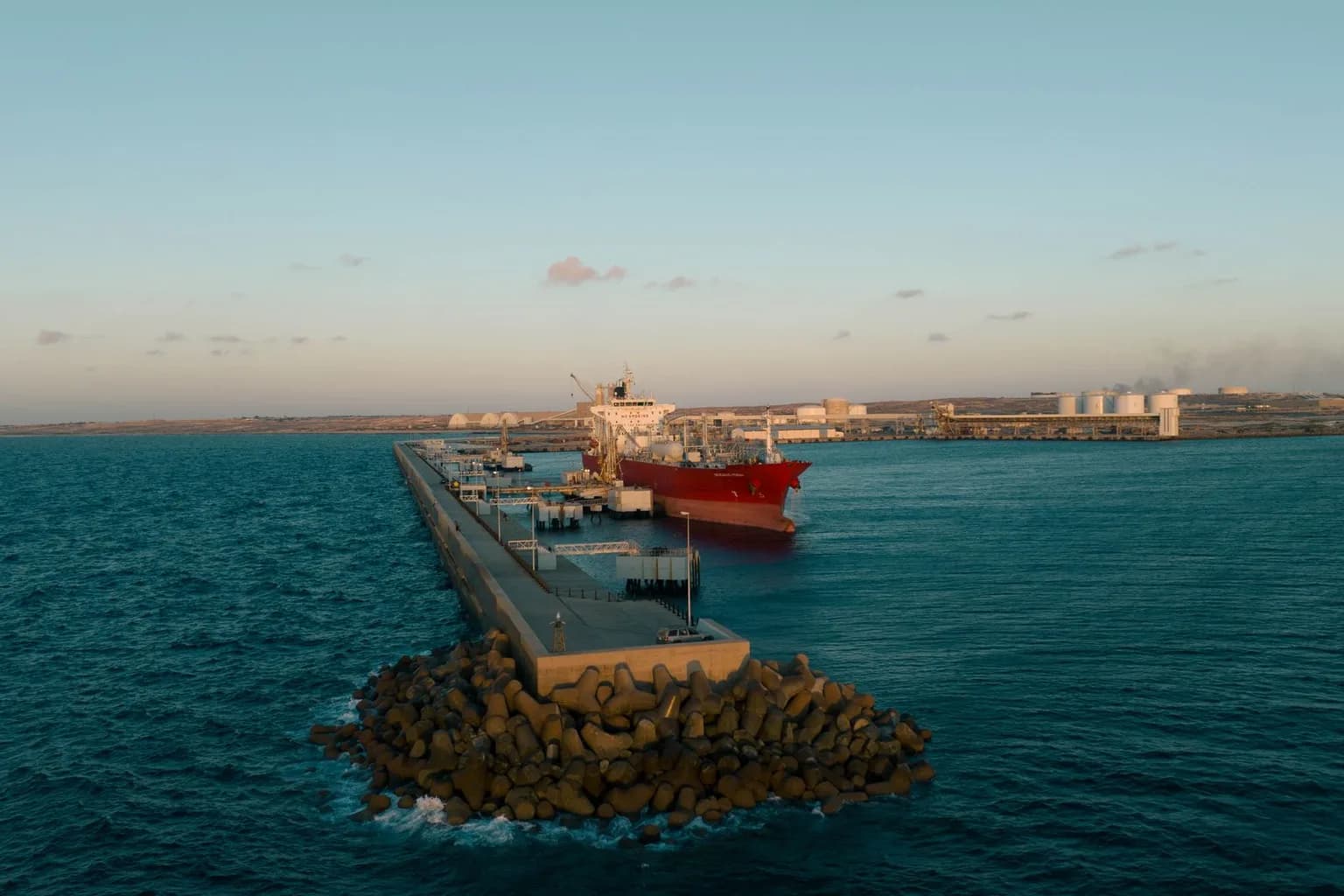
The constraint begins at Ras Laffan Industrial City in Qatar, which was struck by Iranian missiles. Qatar is the world’s second-largest LNG producer, behind the United States, and accounts for around a fifth of global capacity at nearly 80 million tonnes per year.
The war began on 28 February 2026, when US and Israeli strikes on Iran began. Iran declared the Strait of Hormuz closed to hostile shipping that day, and Qatar was soon forced to shut down much of its main LNG complex at Ras Laffan.
Iranian missile attacks knocked out around 17 per cent of Qatar’s export capacity. QatarEnergy said the strikes had caused ‘extensive damage’ at Ras Laffan Industrial City.
The resulting shortage has pushed Asian and European LNG prices to their highest level since early 2023 in late September. They have nearly tripled from pre-war levels.
Iran put forward a seven-day proposal to reopen Hormuz at the UN on 24–25 September 2026. President Trump rejected it on 26 September, and Iran’s security chief Mohsen Rezaei later said Washington’s response was ‘insufficient’.
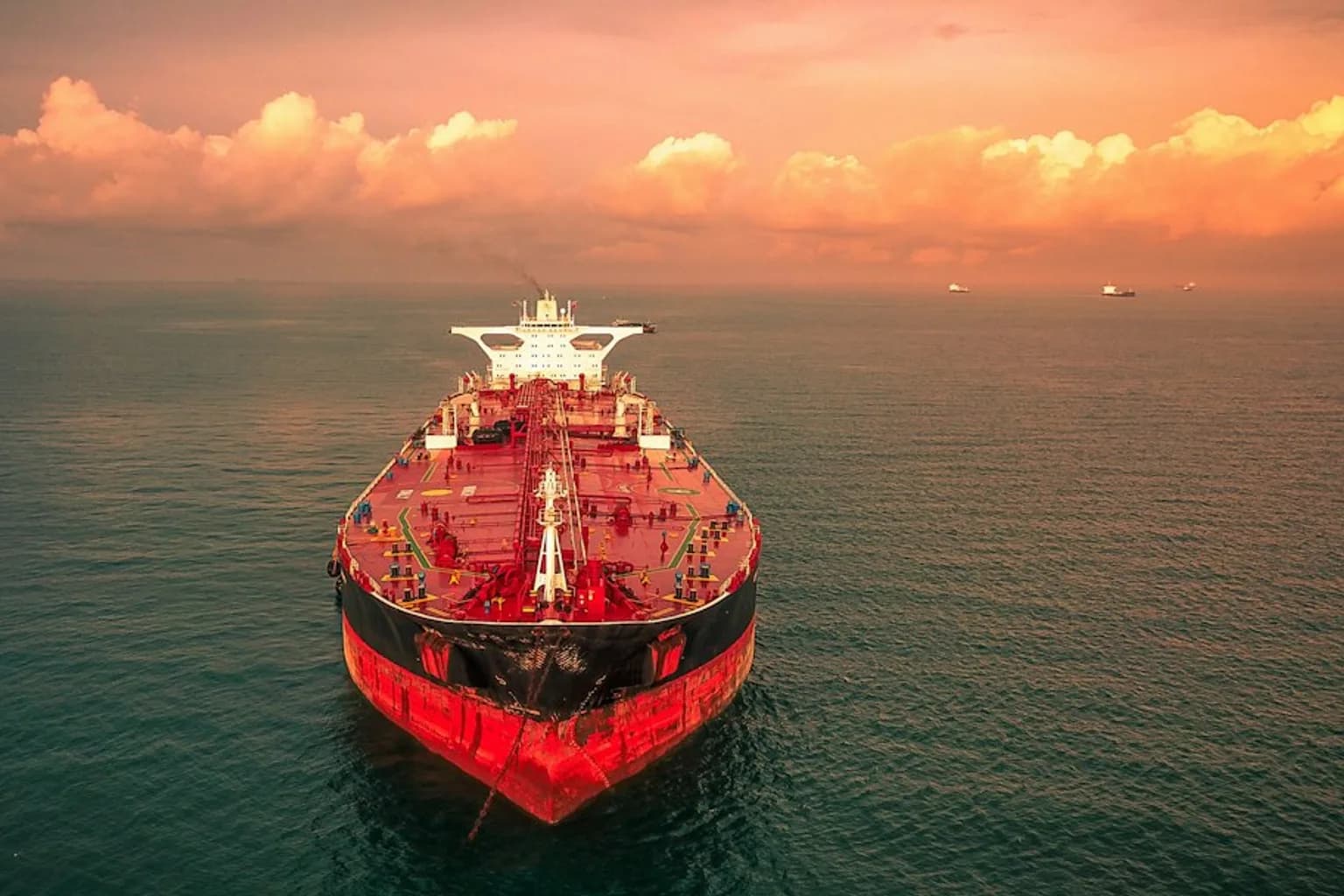
The risks to shipping have continued. Two tankers were hit by projectiles in the Strait of Hormuz on 10-11 October 2026.
As of 12 October 2026, the strait was classified as Restricted, or severely restricted. AIS-visible commercial traffic averaged 8.9 a day over the past week, about 10% of normal levels and far below the 84.8 recorded before the crisis.
For Qatar, the damage carries a large economic cost. The attacks have cost the country tens of billions of dollars in lost annual revenue, while the International Monetary Fund forecasts an 8.6 per cent contraction in its gross domestic product in 2026, against pre-war expectations for 6.1 per cent growth.
US LNG exports rose by around 14 per cent in 2026 from a year earlier to 123 million tonnes.
Even an immediate end to Middle East hostilities would leave the market waiting for supplies to recover. IEEFA estimated that LNG flows would take well over half a year to return to pre-conflict levels.
Comments (0)