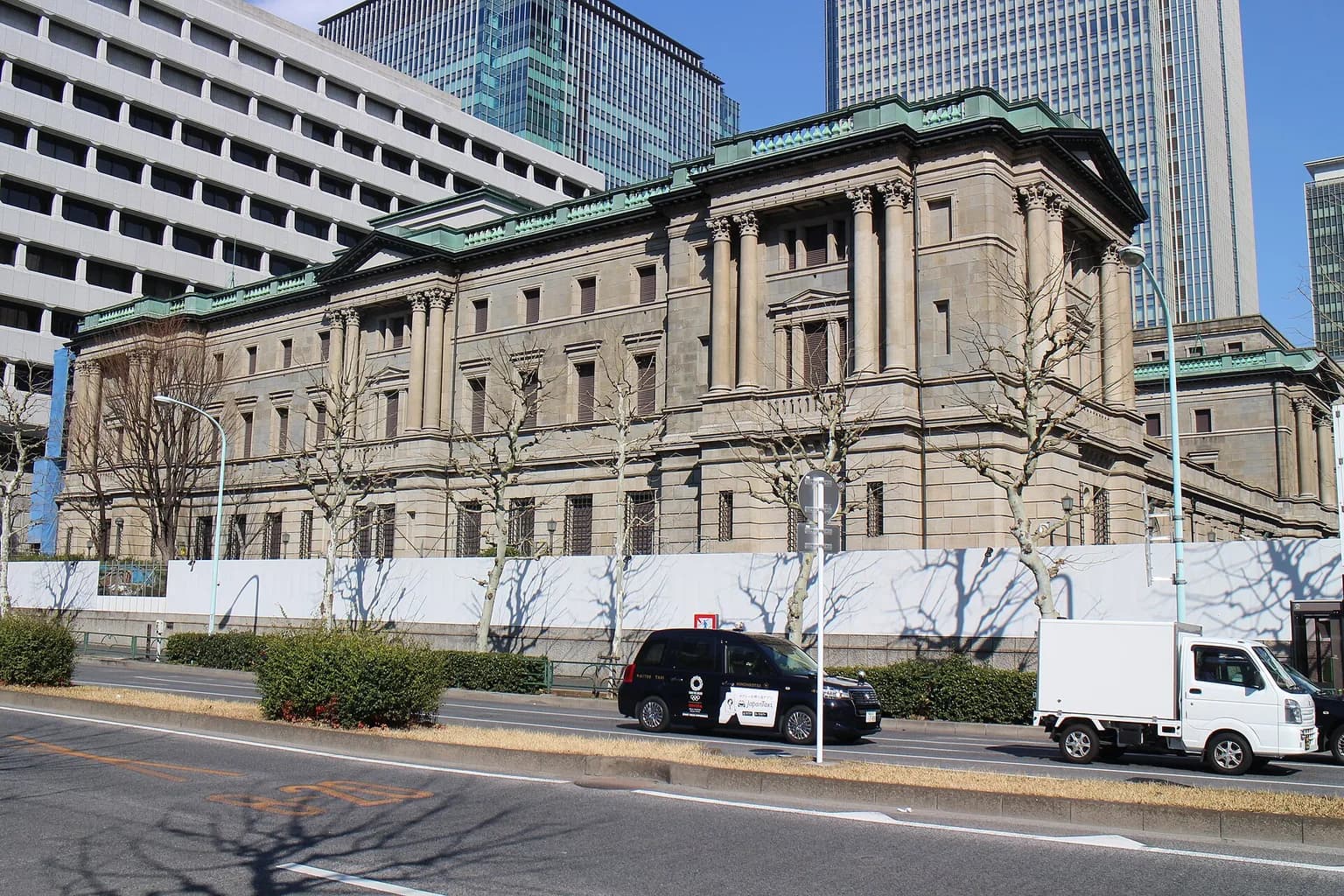
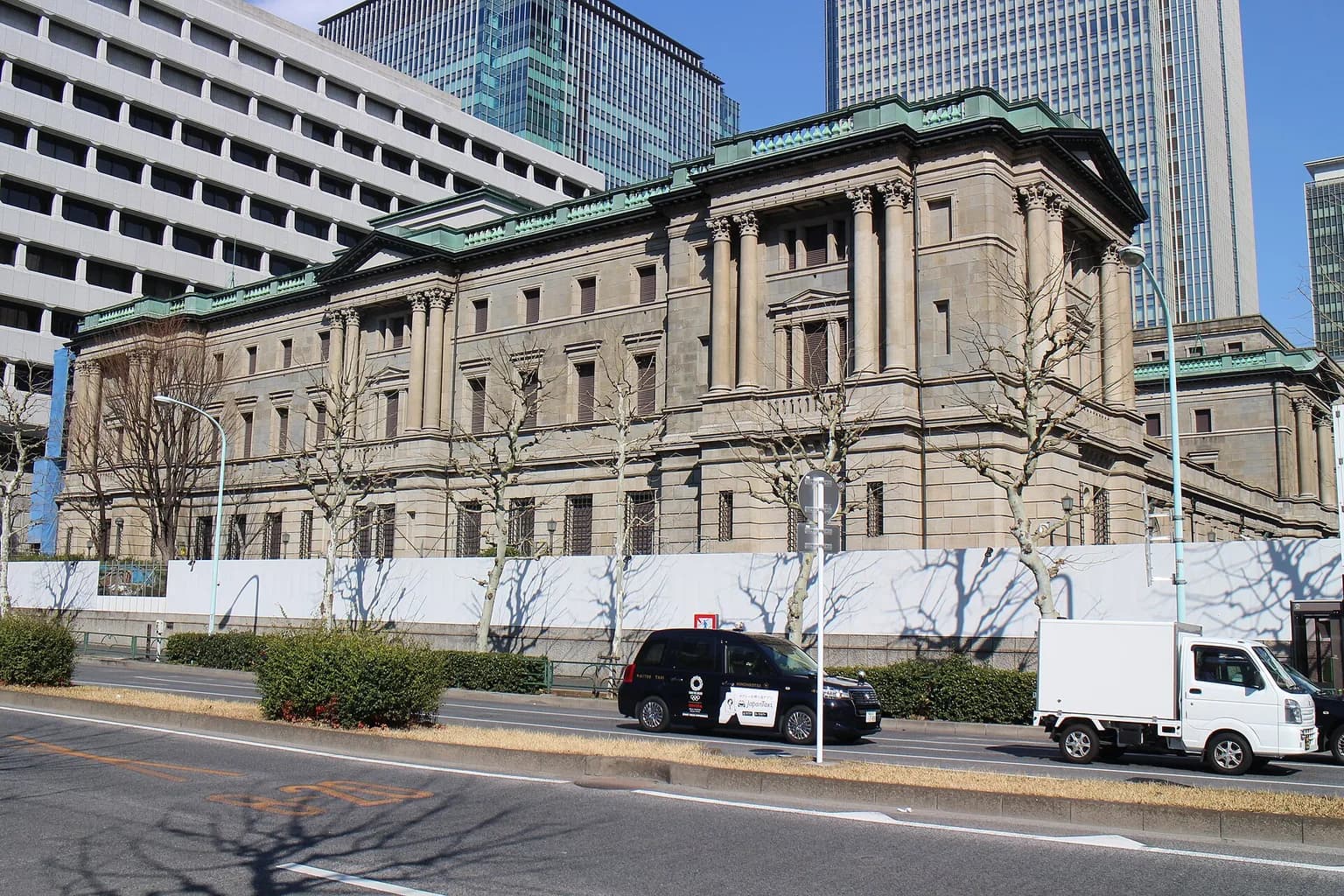
Bank of Japan raises rates to a 31-year high as wholesale prices climb 6.8%
The central bank lifted its benchmark rate to 1.25%, the fastest move in its tightening cycle. Markets are increasingly pricing in another increase before year-end.
Central banks, bonds, yields
The central bank lifted its benchmark rate to 1.25%, the fastest move in its tightening cycle. Markets are increasingly pricing in another increase before year-end.

All 12 committee members voted to lift the benchmark rate by 0.25 percentage points. Whether the Fed moves again in September depends on the August jobs and inflation reports, due days before the meeting.

Policymakers unanimously lifted the federal funds rate to 3.75%–4% on 16 September, reversing cuts made since 2024. Officials remain divided over whether further tightening will be needed. Mortgage rates have already climbed to 6.95%, their highest since January 2025.

Construction spending on data centres hit an annual rate of $85 billion in August, driving up demand for labour, materials and chips. The Fed's problem is that AI investment appears largely immune to higher interest rates.

Ten-year eurozone yields reached nearly 4% in September, with France's bond yields at their highest since 2008. Italy, whose public debt is projected near 139% of GDP, is the most exposed — and both governments are now weighing painful cuts against the risk of stalling their economies.

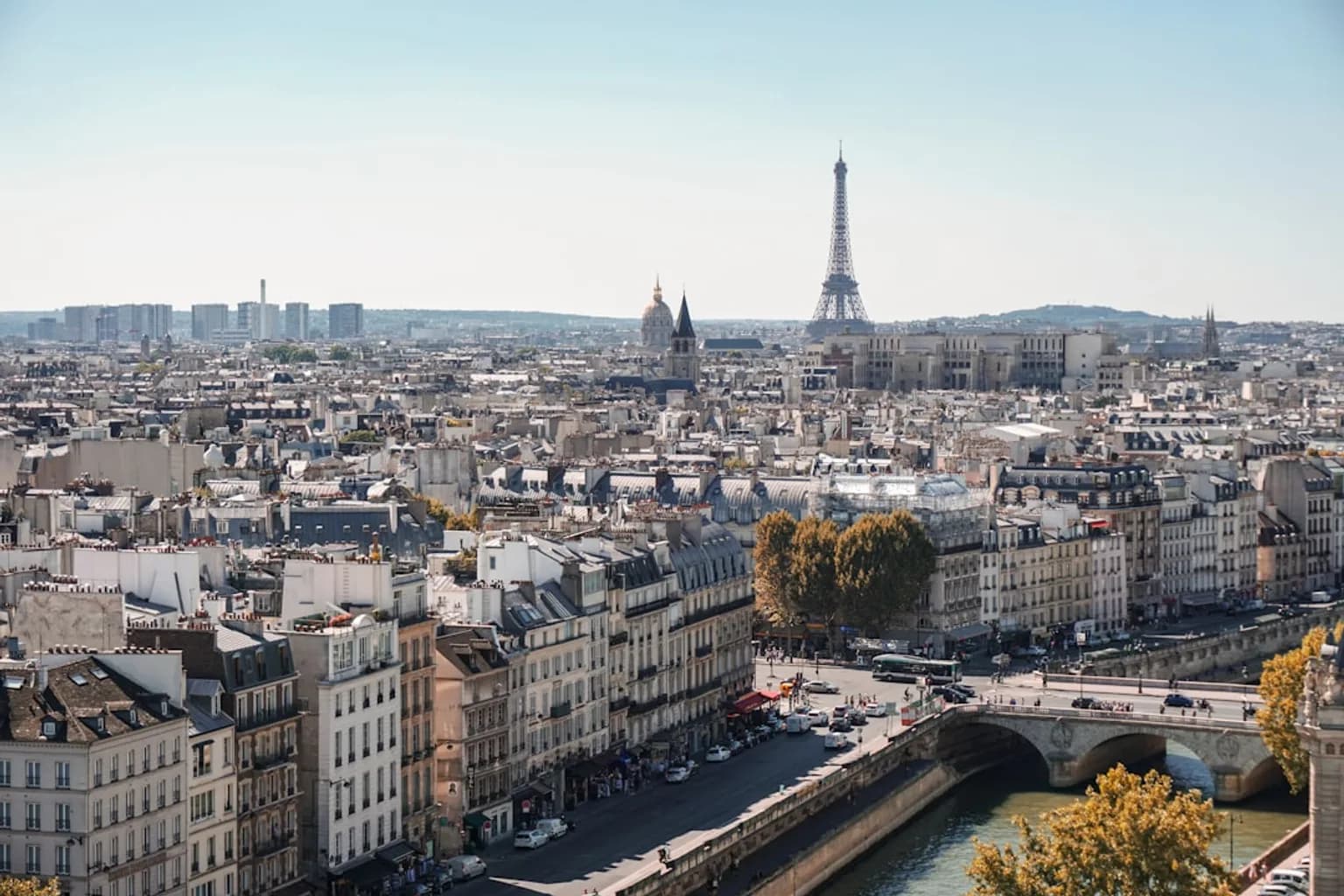
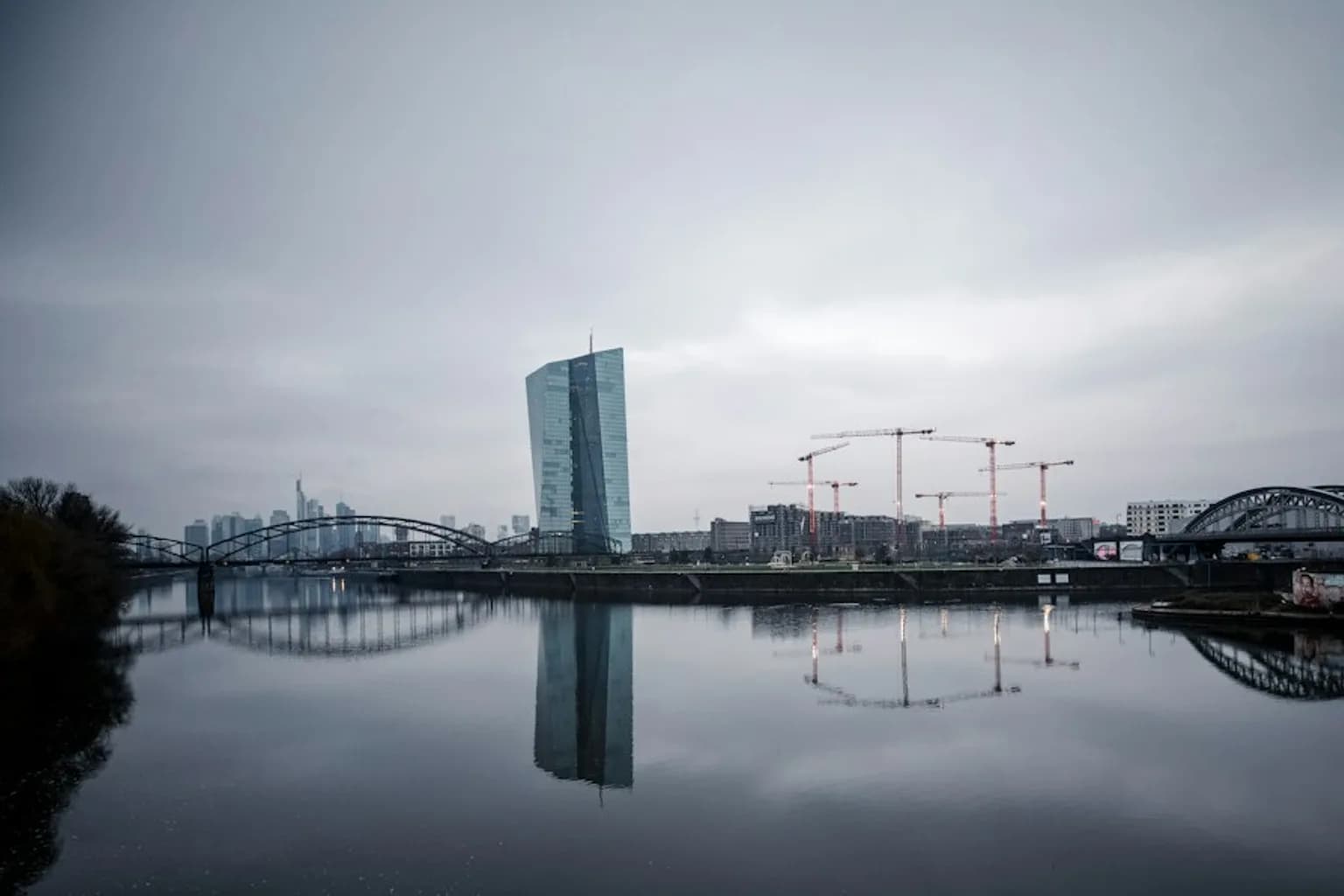
French 10-year yields reached 4.74%, the widest spread over German debt since the depths of the eurozone crisis. The ECB has tools to intervene, but their conditions include sound public finances — which France does not currently meet.

Alberto Musalem said persistent demand and supply shocks have kept inflation too high for too long. Traders still expect the Fed to hold rates steady in October, but see nearly 70% odds of another increase in December.

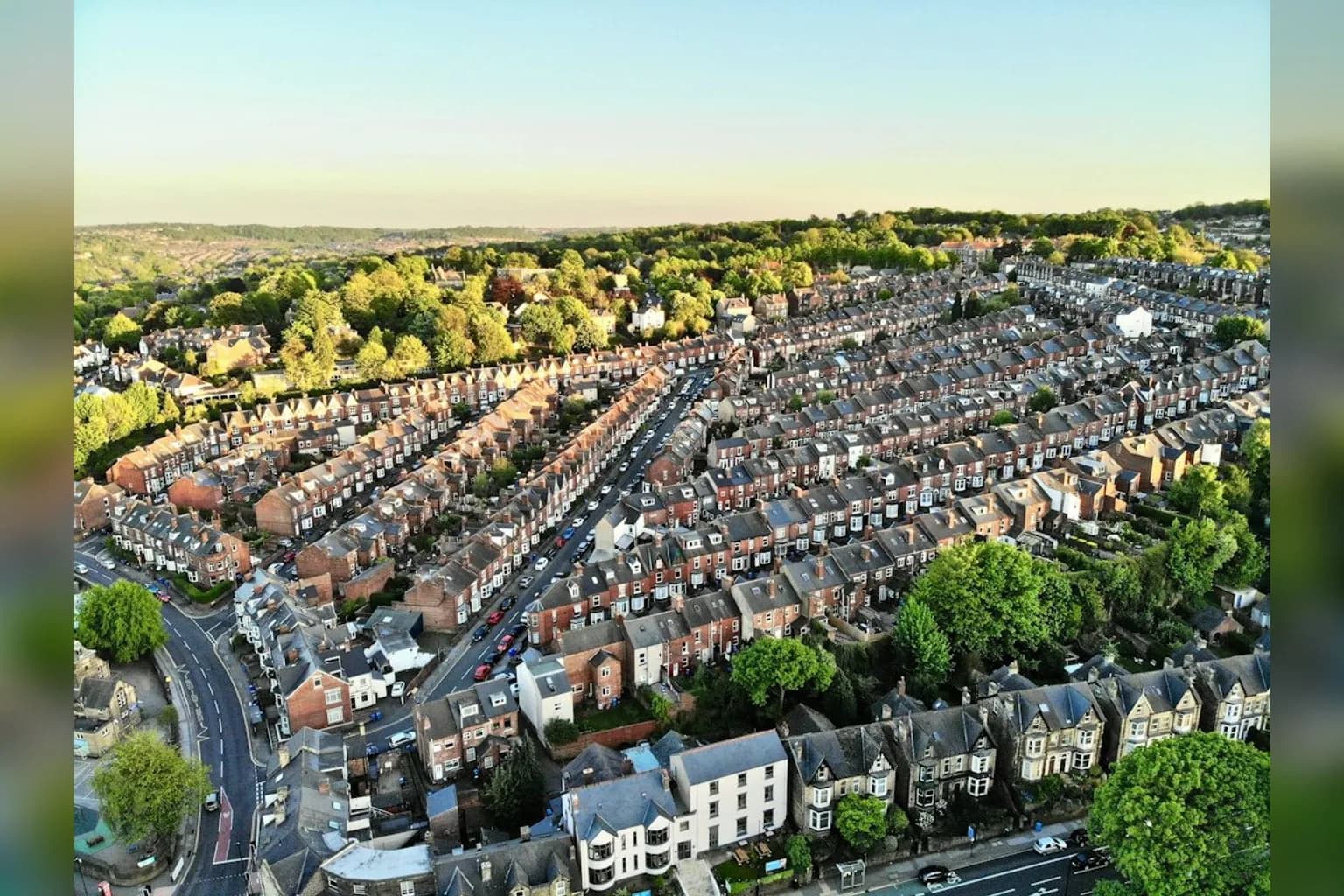
The average five-year fixed rate has reached 5.95%, its highest since October 2023. Up to 700,000 households whose deals expire by end of 2026 could see their annual mortgage bill rise by as much as £5,000.

The African Union has responded by launching its own ratings agency, AfCRA, designed to challenge Moody's, S&P and Fitch. The UN says Africa's actual default rate is far below what its ratings imply, while the continent pays the world's highest cost of capital.

All 19 officials backed lifting the benchmark rate to between 3.75% and 4%. Most see another rise by year end as likely, though markets have since cut the odds of an October hike to around 20%.

Import prices respond almost immediately, while US-made goods take six to twelve months to adjust as higher costs move through supply chains. The effect eased to around 2% by August after a Supreme Court ruling struck down the emergency powers behind the steepest tariffs.

The record of the Federal Reserve's September meeting is due Wednesday. It captures a discussion held before weaker payroll data emerged — and may reveal how many more rate rises officials thought they needed.

The gap between French and German 10-year borrowing costs reached 152 basis points on 2 October, a level not seen since the eurozone debt crisis. A €43 billion savings package from the government did little to calm investors already unnerved by political deadlock and a presidential election on the horizon.

The rise takes borrowing costs past the previous post-COVID peak. The RBA's Financial Stability Review says fewer than 2 per cent of variable-rate mortgage holders are in cash flow shortfall, though that share is expected to edge higher.

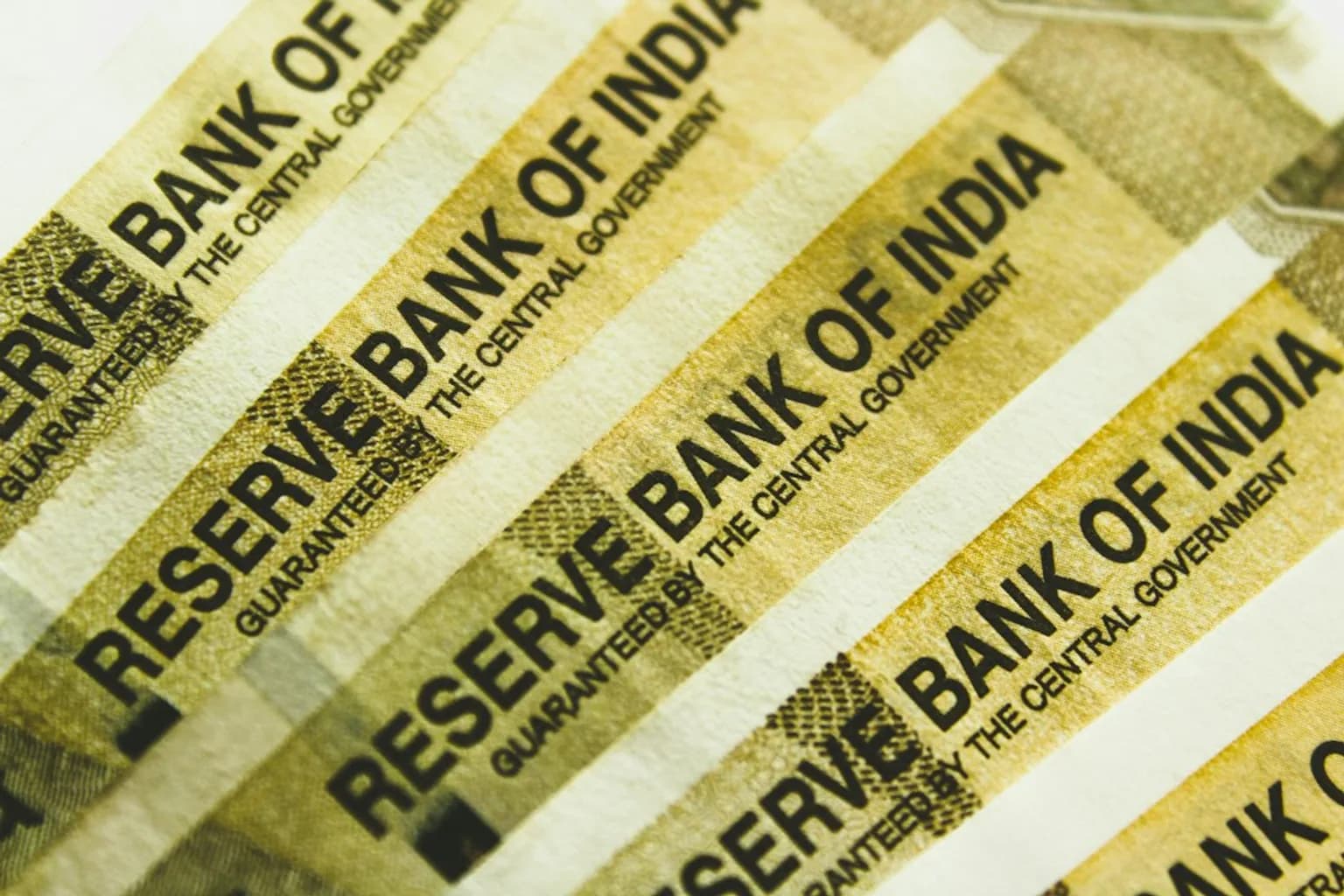
The Reserve Bank of India is expected to lift its benchmark repo rate by 25 basis points to 5.50 per cent. Rising inflation, a weaker rupee and surging oil prices are behind the expected move.

The signal would strengthen the case for another rate rise in the coming months. Japan's main interest rate is already at a 31-year high after six increases since 2024, and markets are pricing in a further move in December.

Rising gilt yields have driven lenders to raise fixed rates repeatedly through September. Just nine deals below 5% remain, down from nearly 1,500 at the start of the month, as about half a million homeowners need a new deal before the year is out.

The gap between French and German borrowing costs is now the widest since the 2011–2012 European debt crisis. France enters the turbulence with debt at 119% of GDP and interest costs set to rise from 62.6 billion euros this year to 91.2 billion euros next year.

Price growth across the eurozone outpaced economists' forecasts, leaving the European Central Bank under pressure to raise interest rates. The margin of the surprise and the causes of the increase have not been reported.

Treasury Secretary Scott Bessent and Vice Premier He Lifeng struck the deal, giving both sides time to keep talking at summits planned for later in the year. Wider disputes over Taiwan, Iran and AI were discussed but left unresolved.

The benchmark yield reached 4.86% after the Federal Reserve lifted its rate to the 3.75%–4% range and signalled further increases are likely. Inflation has stayed above the Fed's 2% target for more than five years, and the 30-year yield has touched levels not seen since 2006.

Interest payments on advanced-economy bonds topped $3.3 trillion last year, outstripping global spending on each of those categories separately. The OECD says yields are at their highest in 15 years, and the IMF warns debt is climbing "like a staircase not to heaven".

The Minneapolis Fed president spoke days after the Federal Open Market Committee raised its benchmark rate to 3.75%–4.00%, the first increase since July 2023. Sixteen of 18 committee members expect at least one more rise, and the Fed has pushed back its target for 2% inflation to 2029.

The Fed lifted its benchmark rate to 3.75%-4.00% after inflation stayed above its 2% target for more than five years. Officials do not expect inflation to return to target until 2029.

Bank of America, JPMorgan and Goldman Sachs all forecast bill issuance on a trillion-dollar scale over the next year. The shift leaves Washington more exposed to refinancing risk — and comes as foreign investors have been pulling back from short-term US debt.

Beijing's stake fell to $618 billion in July, the lowest recorded since August 2008. Central banks and government bodies drove nearly all of a $72 billion monthly fall in overall foreign holdings in June, even as total foreign demand has edged up over the past year.

The Fed hiked its benchmark rate by a quarter point to 3.75%-4.00%, with policymakers signalling more increases could follow. President Trump called for rates of 1% or lower; Fed chair Kevin Warsh defended the bank's independence.

Tokyo's move came as Wall Street climbed following a US rate rise, with more increases possible later this year. Alibaba, Tencent and ByteDance have each chosen a different route to the same destination: the computing infrastructure the AI race demands.

The expected move to 1.25% would be the first increase in three months, driven by oil approaching $100 a barrel and a yen that has slipped to 152 per dollar. Analysts polled by Reuters expect rates to keep climbing, reaching 1.75% by mid-2027.

The Fed's benchmark rate is now 3.75% to 4%, after a unanimous vote under chair Kevin Warsh. Inflation stands at 3.4%, well above the Fed's 2% target, and borrowing costs are expected to rise.

Markets put the odds of a quarter-point rise on Wednesday at above 92%, with inflation still running at 3.4%. A further increase in December is seen as more likely than not, with CNBC putting the odds at above 75%.

The Federal Reserve lifted its benchmark rate to 3.75%–4%, with Chair Kevin Warsh saying inflation remains too high. The Fed does not expect to hit its 2% target until 2029, and most officials expect at least one further rise this year.

Consumer prices rose 4.2% year-on-year in May, more than two points above the Fed's target. Trump criticised the move within hours, though he said he still has confidence in Fed Chair Kevin Warsh.

The bank called such a move 'very unlikely' as recently as last month. Hotter-than-expected August inflation data has since pushed market odds of a quarter-point hike to around 88%.

The yield touched 4.99% on Friday after inflation came in hotter than expected, driven by gasoline topping $4.29 a gallon nationally and oil above $100 a barrel. Markets now put the odds of a Fed rate rise next week at 86%.
Rising oil and gas prices have pushed inflation well above the bank's 2% target, with the Middle East conflict adding to the pressure. Households and businesses now face higher mortgage and borrowing costs as winter approaches and gas storage remains below normal levels.
The repurchase was three times the Treasury's usual volume and designed to push borrowing costs lower. Bond markets moved in the opposite direction after the expanded programme was announced.
The result was well above consensus estimates of around 60,000 and follows two weak months for payrolls. Wage growth hit its lowest level since 2021, complicating the picture for Federal Reserve rate decisions.
Nonfarm payrolls grew by 162,000 — roughly three times what economists had expected and the strongest monthly gain since March. Rate futures now put the chance of a Federal Reserve increase at 60 percent, up from 49 percent the day before.
Three policymakers already dissented in favour of a hike at the July meeting, and the minutes suggest that number could grow. Futures markets put the chance of a September increase at around 38%.
Kevin Warsh delivered the keynote at the annual Wyoming symposium on 28 August 2026. Federal Reserve leaders have long used the occasion to prepare markets for shifts in policy, making the choice of words — and tone — as closely watched as any formal announcement.
Kevin Warsh sharpened the Fed's inflation warning and said the central bank has 'work to do' if prices stay stubborn. He also rejected the use of forward guidance, the tool markets rely on to anticipate the Fed's next move.
The Federal Reserve chair arrived with a philosophy of 'more thinking, less talking' — and bond markets have revolted twice in three months. His Friday address at Jackson Hole is his first real chance to explain himself.
Core consumer prices rose 1.8% in July, accelerating for a second straight month. Wholesale inflation hit 7.2%, and Bank of Japan board members are pushing to move faster than the current pace of two hikes a year.
The gross federal debt reached $40.047 trillion on 19 August, with a trillion dollars now being added roughly every five months. Interest payments have already surpassed the defence budget this year, and the legal borrowing ceiling is projected to be hit sometime in 2027.
US 30-year Treasury yields have reached 5.33%, their highest since 2007, as tech giants flood markets with debt to fund AI infrastructure. Yields are surging across the developed world, from Japan to Germany to Britain, with oil back above $90 a barrel adding to fears that inflation will stay high.
Type at least two characters.