
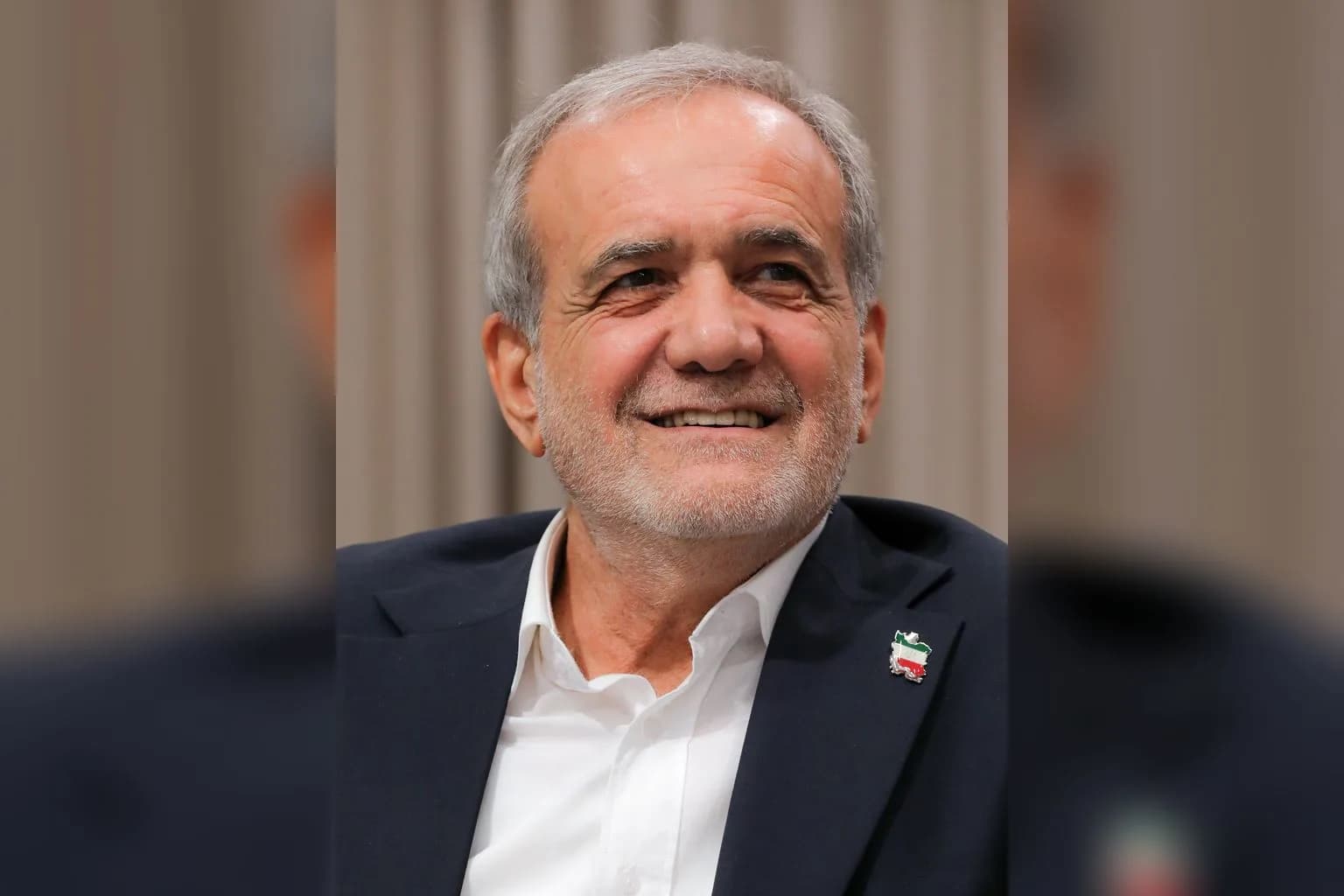
Iranian President Masoud Pezeshkian has said Tehran is prepared to relinquish its stockpile of uranium enriched to 60 percent under international legal arrangements, offering a potential opening in talks with the United States after seven months of war. The statement sits alongside Iranian demands for US economic concessions before the Strait of Hormuz is reopened, and a senior Iranian official’s insistence that Tehran will not make concessions over its nuclear programme.
Pezeshkian said Tehran’s position would operate within the framework of international law and its obligations under the Nuclear Non-Proliferation Treaty. He also said Iran would permit international verification of its nuclear programme.
Uranium enriched to 60 percent is a technical step away from the 90 percent threshold required to produce a nuclear weapon. The International Atomic Energy Agency estimated that Iran held 440.9 kg of uranium enriched to 60%.
Iran denies seeking nuclear weapons. Israel and the US have said Iran’s enrichment programme posed a threat. The current conflict began on 28 February 2026, when the United States and Israel began a large-scale military campaign against Iran. Iran subsequently attacked Israel, US bases in the Gulf and Arab Gulf allies of the US, and blocked the Strait of Hormuz.
Iranian and US diplomats have held talks in New York, mediated by Qatar, involving Iran’s foreign minister and Steve Witkoff, President Donald Trump’s envoy.
Trump described a three-hour meeting as “very productive”. Witkoff said: “They successfully completed a round of discussions that we hope will prove constructive and promising”. Iranian and US diplomats have continued their New York contacts despite increasingly harsh rhetoric from both capitals.
Trump said he believed an Iran deal would come right after November’s elections. It remains unclear whether Pezeshkian’s public offer reflects readiness to agree a detailed nuclear arrangement, or a negotiating position intended to secure wider US concessions.
Abbas Araqchi, Iran’s foreign minister, has set out a seven-day proposal that links a reopening of the Strait of Hormuz with an end to hostilities on all fronts, including Lebanon. Under the proposal, the United States would lift its blockade on Iranian ports, release Iran’s frozen funds and waive its oil sanctions within seven days.
A senior Iranian official cited by Reuters on Friday said the strait would remain closed until the United States had met all of Iran’s conditions. The same official said Iran would make no concessions over its nuclear programme even if Washington accepted Tehran’s proposal on the waterway.
The central issue in the talks is therefore sequencing. Iran wants the United States to end its economic blockade before it reopens the strait. Washington is seeking movement on the strait before giving up what it sees as its main source of leverage.
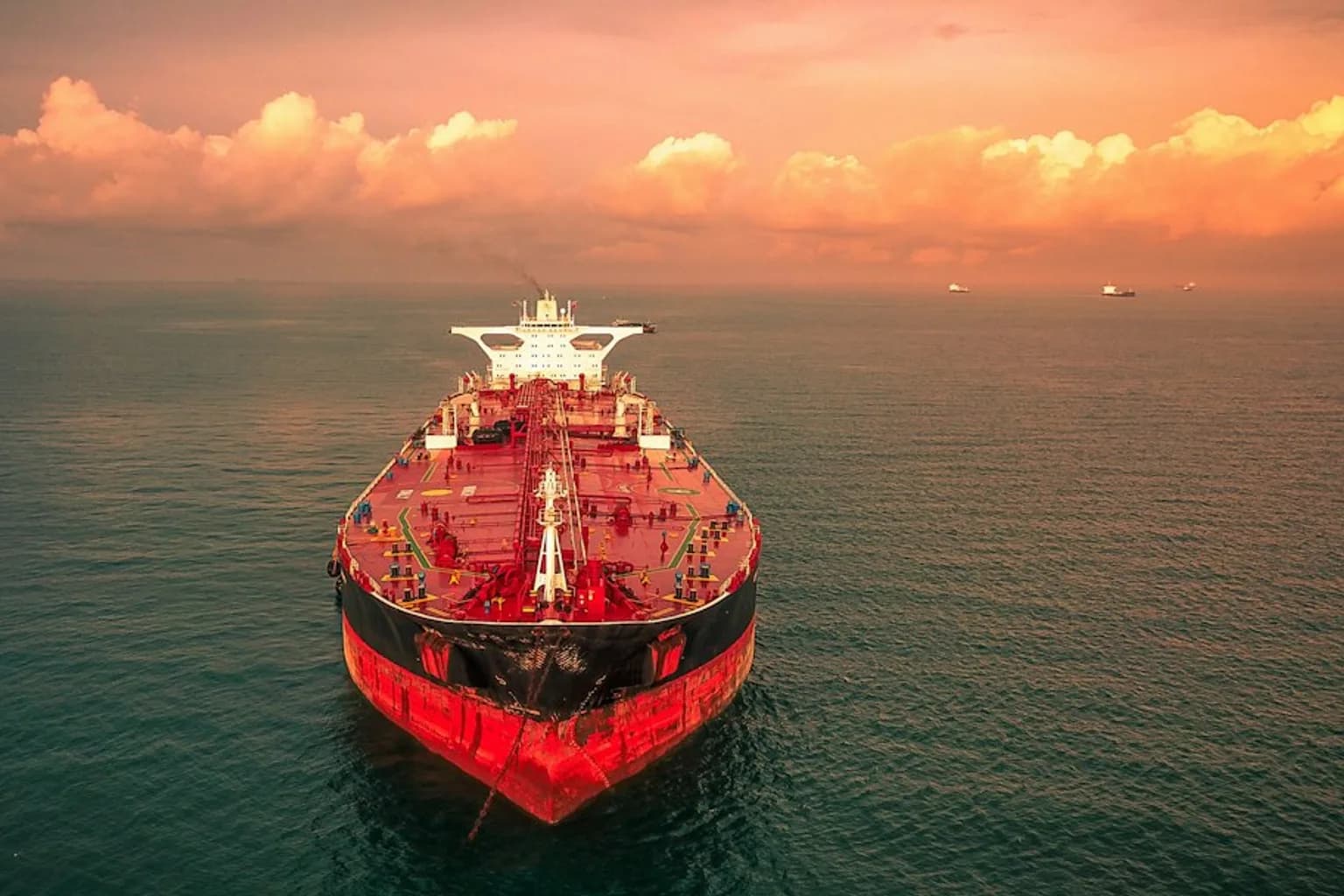
The closure has disrupted an energy route that carried some 20% of the world’s oil and liquefied natural gas before the war. The Congressional Budget Office estimates that US military operations against Iran had cost the Defense Department roughly $38 billion through 1 August. Each additional month of conflict is estimated to cost $2 billion to $3 billion, depending on the intensity of fighting.




Comments (0)