
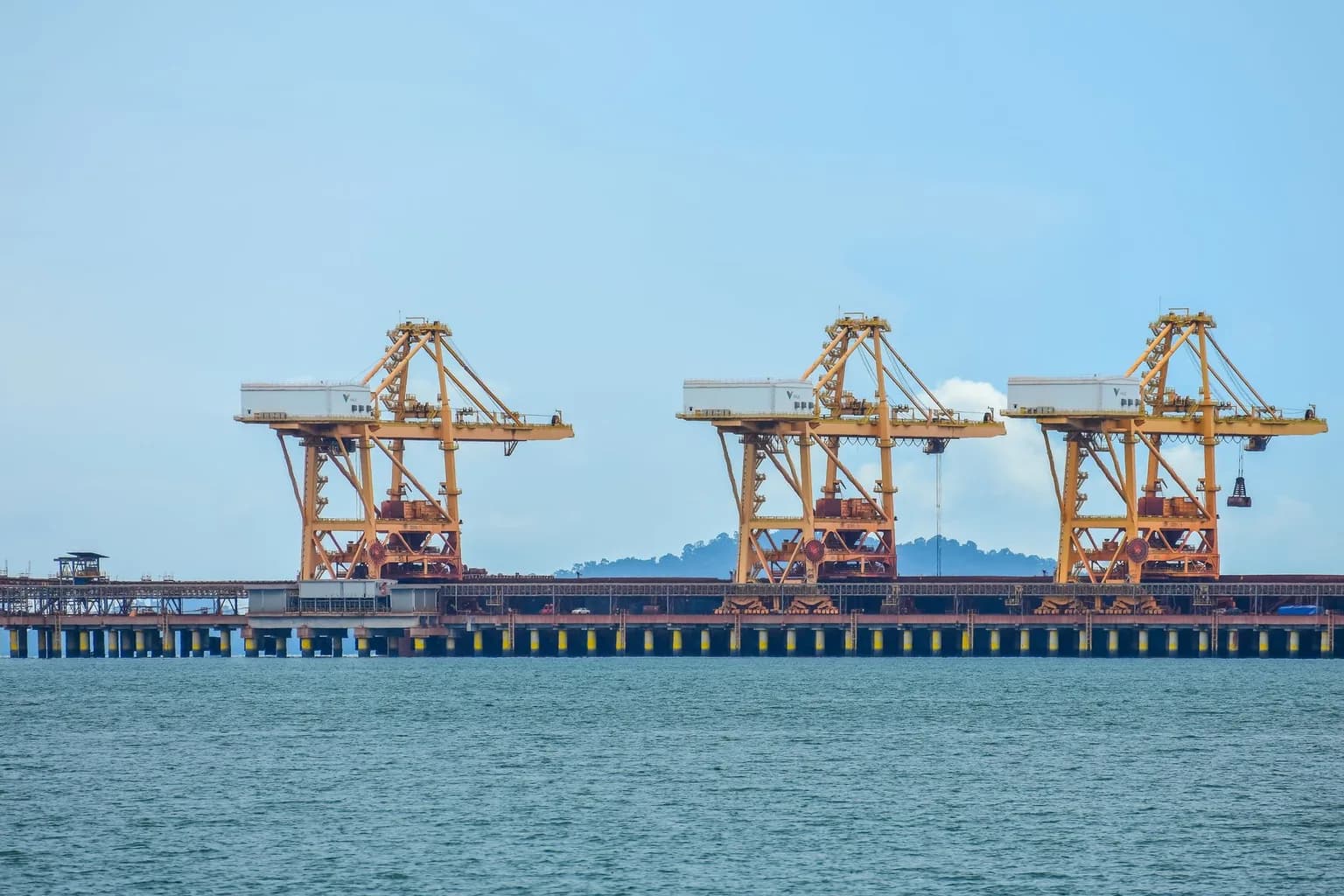
Dozens of buses under police escort arrived early on 29 September 2026 at the Majlis Perbandaran Manjung stadium near the Lumut naval base in Malaysia’s Perak state. The migrants were processed there before being taken to the naval base, where Myanmar navy vessels were waiting.
Nearly 1,500 Myanmar nationals, including 86 women, then began the journey back to Myanmar. They had been convicted of illegal residence and other immigration violations in Malaysia.
Three Myanmar navy ships left the Lumut base around 5pm, including the auxiliary support and hospital ship Than Lwin and the amphibious landing platform ship Moattama. The vessels carried the returnees to southern Yangon, where they arrived early on 4 October 2026.
The operation was the first phase of Malaysia’s plan to return up to 5,000 Myanmar nationals to their home country. Malaysia has described the programme as strictly voluntary.
The returns come after Myanmar’s military seized power on 1 February 2021, triggering a civil war that prompted hundreds of thousands of people to flee.
Malaysia is not a signatory to the UN Refugee Convention and treats refugees as undocumented migrants. It hosts approximately 193,000 refugees from Myanmar, around two-thirds of them Rohingya.
The UN High Commissioner for Refugees, known as UNHCR, and human rights groups have criticised the repatriation. UNHCR said current conditions did not support the safe and sustainable return of refugees from Myanmar, and said it had not been involved in identifying those sent back.
Kelley E. Currie, the UN special rapporteur on the situation of human rights in Myanmar, said Malaysia had obligations under international law. “Under international law, the Government of Malaysia is obligated to uphold the principle of non-refoulement and prevent the return of individuals to situations where they face a real risk of persecution, torture, or other serious human rights violations.”
Currie added: “In my assessment, the risk of refoulement in the present circumstances is substantial.”
The United Nations has said dire conditions in detention centres may have influenced migrants’ decisions to return.
James Bawi Thang Bik, who represents refugees from Myanmar’s Chin community in Malaysia, said people being returned could face forced conscription into the military or detention in Myanmar. He said he knew of asylum-seekers among those deported, including a holder of a UNHCR card documenting refugee status.
Han Win Aung, a Myanmar Foreign Ministry official, defended the operation by saying it involved “genuine citizens.”
Rights groups say the persecution of Rohingya amounts to genocide.
Min Aung Hlaing, the leader of Myanmar’s military-backed government, was sworn in as president in April and is expected to visit Malaysia this month to discuss refugee and migrant issues.





Comments (0)