
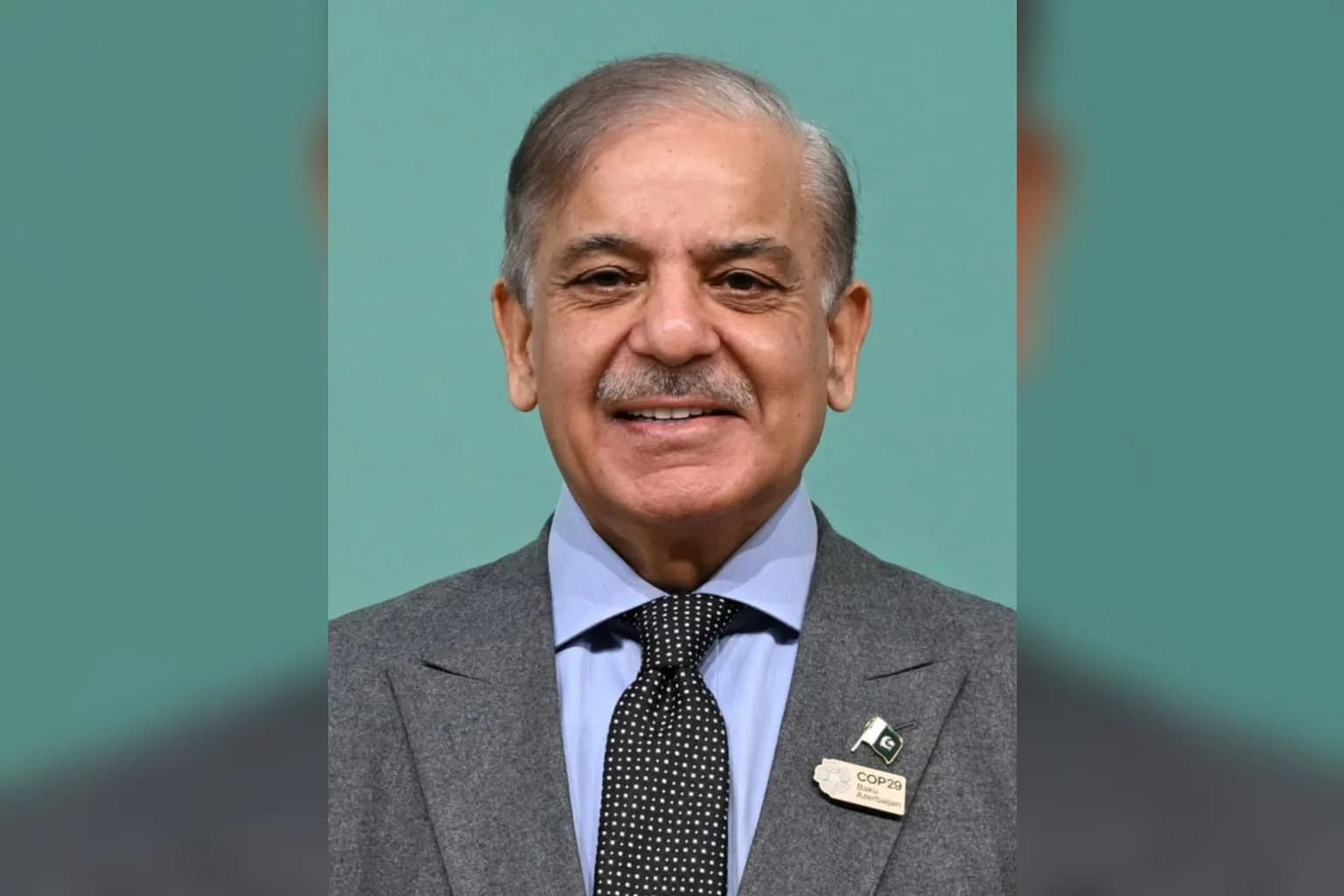
Water-sharing has become a central point of dispute between India and Pakistan after New Delhi placed the Indus Waters Treaty in abeyance following the Pahalgam attack. At the 81st session of the UN General Assembly on Friday, 25 September 2026, Pakistan’s Prime Minister Shehbaz Sharif said any Indian move to stop, impede or divert Pakistan’s share of water would be treated as an “act of war”.
Sharif said India’s unilateral decision to put the treaty aside had “no legal basis whatsoever”. He described the Indus river system as the “lifeblood” of the entire region and said: “Water must never be weaponised. Rivers should nourish nations, not divide them.”
The warning followed a September 2026 decision by the Permanent Court of Arbitration in The Hague, which found that India could not legally suspend the treaty. The court said the agreement “remains fully in force” and that India “must observe its obligations”.
According to the ruling, no rule of international law permits a state to suspend a treaty unilaterally on grounds of sovereignty. The court rejected all of India’s arguments for suspending the accord.
India has rejected the court’s jurisdiction and did not take part in the hearings that led to the decision. Sharif said India’s claims and actions over the treaty had been rejected by UN experts and by the Permanent Court of Arbitration.
The 1960 Indus Waters Treaty was brokered by the World Bank. It governs the sharing and use of water from the six rivers of the Indus River system between India and Pakistan.
India placed the treaty in abeyance in April 2025 after the Pahalgam attack, which killed 26 civilians. It also stopped sharing water data with Pakistan after the attack, which killed 26 people.
New Delhi has said the suspension will remain in place until Pakistan credibly and irrevocably ends its support for cross-border terrorism. Islamabad has denied involvement in the Pahalgam attack, rejected allegations that it supports cross-border terrorism, and called for a neutral investigation.
The court ruling has therefore left the underlying dispute unresolved. India has yet to accept the tribunal’s authority or resume water-data sharing, while Pakistan regards access to its treaty share as a matter of fundamental national importance. It remains unclear whether India will comply with the decision, how long it plans to maintain the suspension, or what future action Pakistan would regard as meeting Sharif’s threshold.
Sharif also addressed wider tensions between the two neighbours in his UN speech. He praised US President Donald Trump’s “resolute and visionary leadership” in brokering a ceasefire between Pakistan and India, saying it saved “hundreds of millions of lives”.
On Kashmir, Sharif said: “Kashmir has been, and always will be, Pakistan’s jugular vein.”
He said Pakistan had lost nearly 100,000 lives while fighting terrorists and had suffered economic losses exceeding $150 billion. Sharif also condemned Houthi attacks on holy cities in Saudi Arabia as a “red line” and said Pakistan stood in complete solidarity with Saudi Arabia.
Sharif’s water warning brought the treaty dispute directly before the UN General Assembly, where Pakistan is seeking support for its position that the agreement remains binding. India’s position is that its suspension is linked to its demands over cross-border terrorism, leaving the treaty’s future dependent on a dispute neither side has resolved.





Comments (0)