
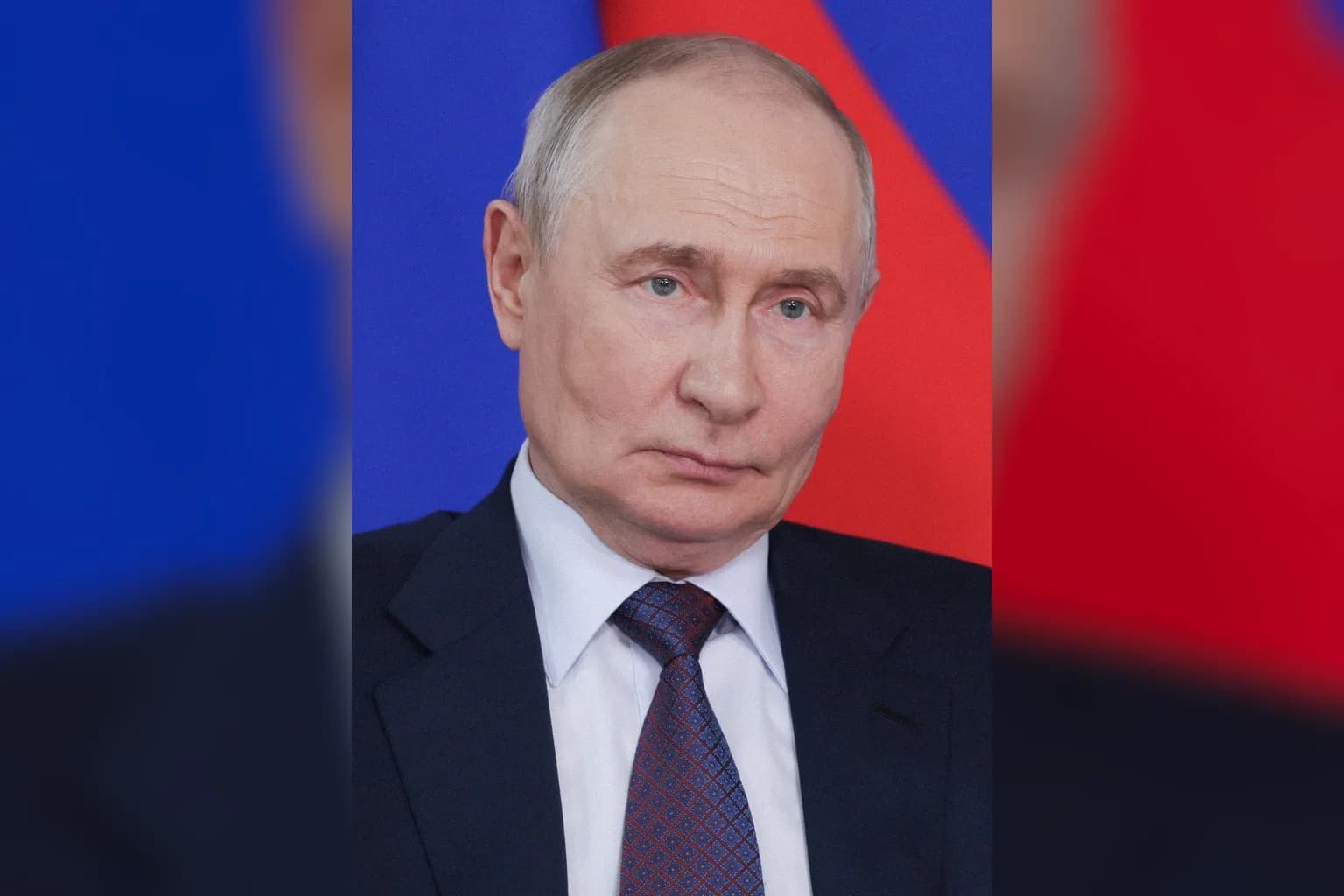
President Vladimir Putin has said Russia would consider using all the weapons at its disposal if Kaliningrad or another Russian territory came under direct attack, setting out Moscow’s position on an exclave lying between NATO members Poland and Lithuania.
Speaking at the Valdai Club foreign policy forum on Thursday, 1 October 2026, Putin said: “If it comes to a direct attack on the Russian Federation — in this case we mean Kaliningrad, or maybe some other territories — of course, inevitably and immediately the question of Russian Federation using all weapons at the disposal of our country will appear on the agenda.”
He said Russia possessed arms that “no one else has” and would decide which weapons to use if it was attacked. Putin did not say whether this would involve nuclear weapons. He also repeated Moscow’s position that it does not plan to attack European countries, saying: “We are not threatening anyone. We do not intend to attack anyone in 2029, in 2030, in 2050. But if we come across an aggression we will have to respond.”
The comments followed statements from several Russian embassies in Europe alleging that Moscow had “information that NATO is preparing (an) air and naval blockade of Kaliningrad and (the) Kaliningrad region”. Russia has not set out evidence for that allegation.
The Russian Embassy in Ireland said on Tuesday that Moscow could use nuclear weapons if NATO countries sought to isolate the region. “There should be no mistake — Russia would be ready to use all its arsenal, including nuclear weapons, to defend its territory if NATO countries try to isolate (the) Kaliningrad region from the rest of the country,” it said.
NATO has rejected the accusation. Allison Hart, a NATO spokesperson, confirmed on Wednesday that Russia had sent a written message to the U.S.-led military alliance. Hart said: “We strongly denounce the threat of force, including any irresponsible nuclear rhetoric.” She said NATO was not targeting Kaliningrad.
Mark Rutte, NATO’s secretary-general, said the alliance’s activities did not threaten Moscow. “Basically what we said is, Hey, listen, we are defensive alliance, and stop the nuclear threat. This is absolutely not called for and not helpful,” he said on Wednesday.
NATO’s reply also urged Russia to end its “unprovoked war of aggression against Ukraine,” which is now in its fifth year. Russia’s full-scale war in Ukraine began in February 2022.
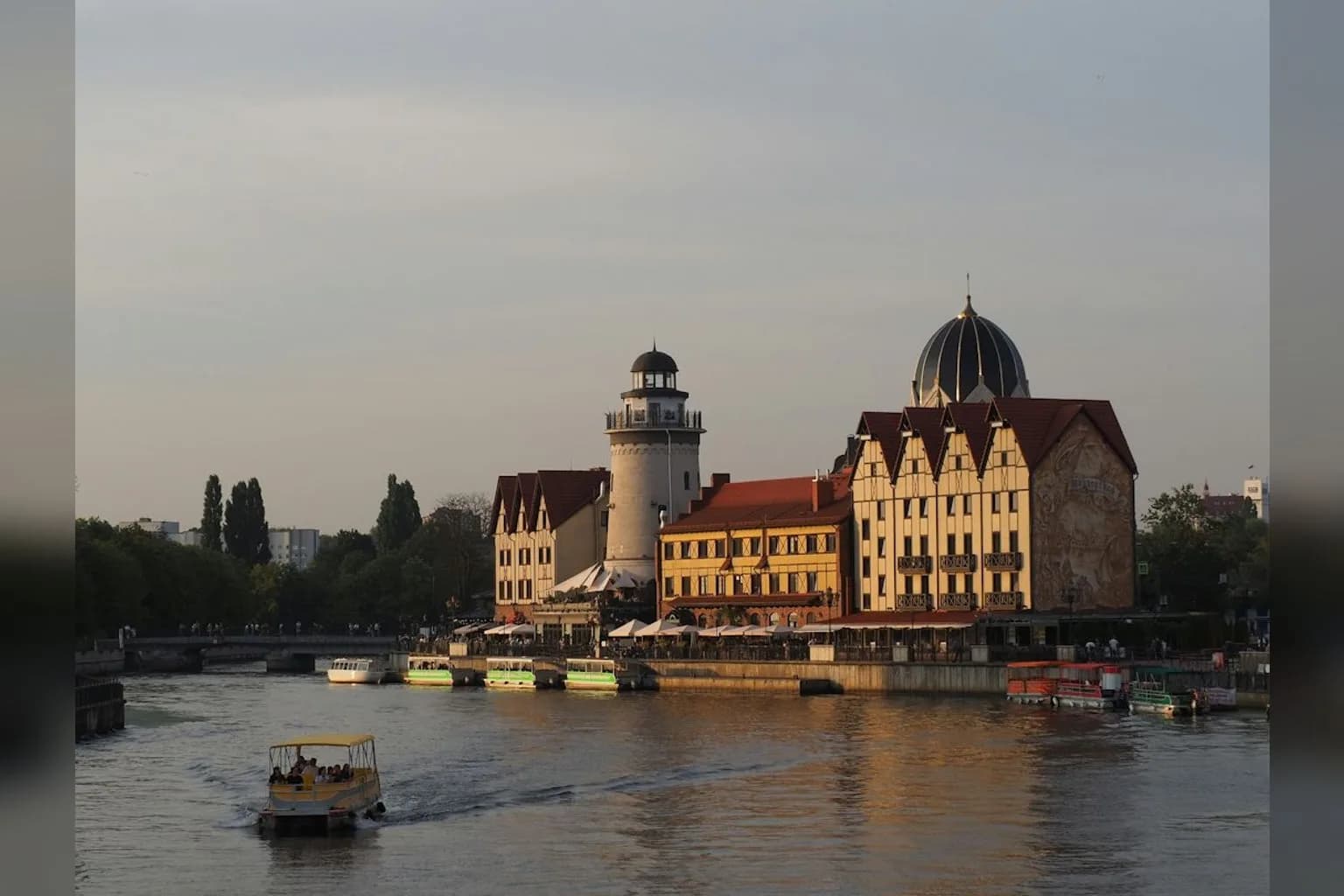
Kaliningrad is strategically important to Russia. It contains Russia’s main Baltic navy base and other military assets, while nuclear-capable Iskander missiles are deployed there. The territory sits between Poland and Lithuania, placing it alongside NATO’s eastern members.
NATO allies have held military exercises in the Baltic Sea region in recent months, with further exercises planned in October. Putin said naval manoeuvres in the Baltic Sea posed serious threats to Kaliningrad. Rutte said none of NATO’s “exercises or activities” posed a threat to Russia.
Tensions around the region have also been sharpened by recent incidents. Poland said a Russian helicopter had entered its territory adjacent to Kaliningrad last week. Lithuania said its population felt “constantly threatened” by Russia, partly because drones had entered its airspace.
Germany’s Chancellor Friedrich Merz said on Thursday that his country was preparing for further hybrid attacks, “including serious ones”. The competing accounts leave unclear what Russia would define as a direct attack on Kaliningrad, or whether Moscow’s allegation of preparations for a blockade rests on concrete evidence.




Comments (0)