
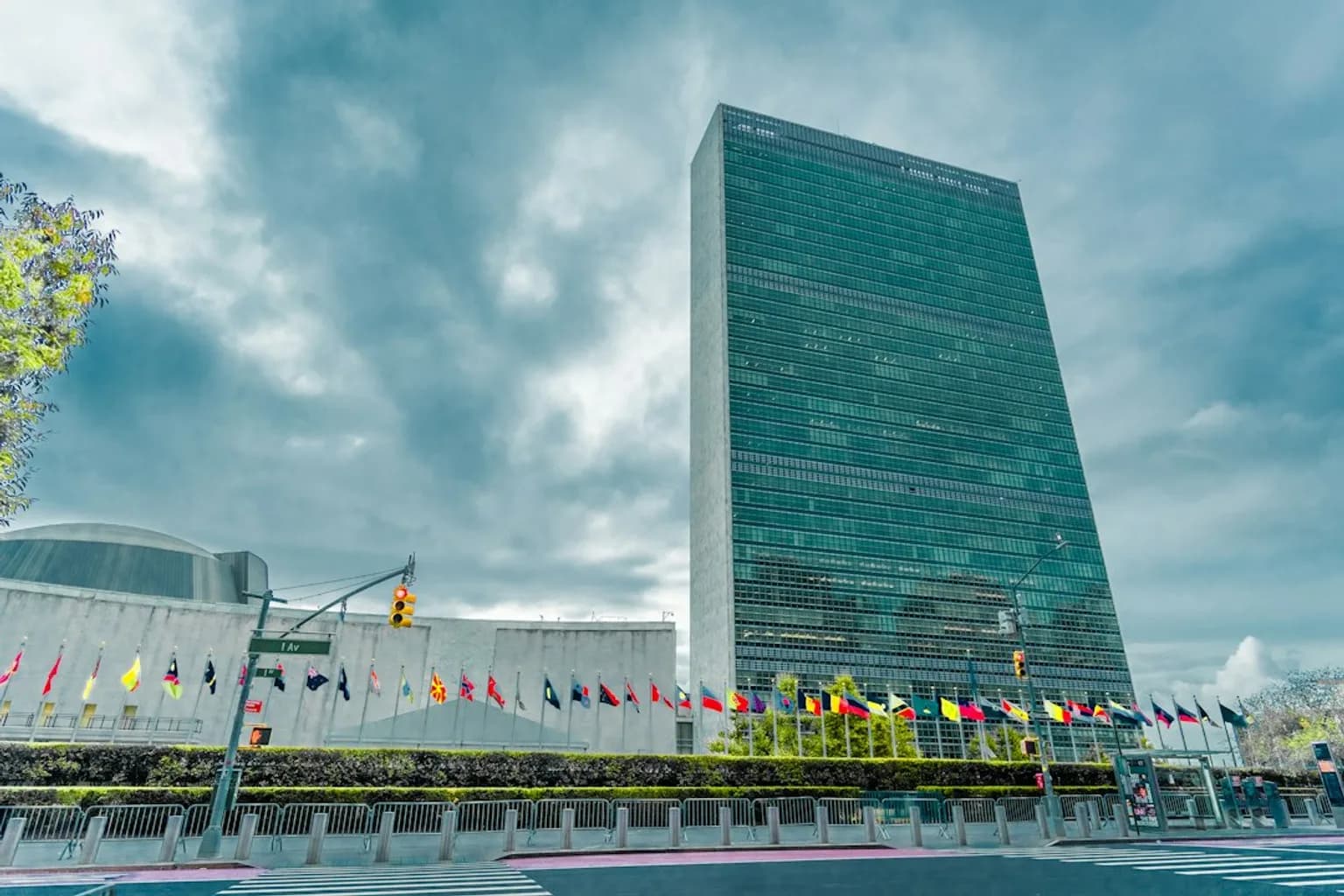
World leaders are gathering at United Nations Headquarters in New York this week as wars in the Middle East and Ukraine place fresh strain on international diplomacy. The annual high-level meeting of the United Nations General Assembly brings together its 193 member nations, with some 130 heads of state and government expected to speak from Tuesday.
The general debate of the eighty-first session of the General Assembly is scheduled for 22–26 and 28 September. Its agenda includes major wars involving Iran, Gaza, Ukraine, Sudan, Congo and Myanmar. Leaders will also address rising fears over artificial intelligence and climate.
Secretary-General Antonio Guterres is due to open the gathering with a 'state of the world' address. The UN chief has called for an interdependent world of cooperation, a message that comes as conflicts remain unresolved and the organisation confronts questions about its own authority and future leadership.
US President Donald Trump and French President Emanuel Macron are scheduled to speak Tuesday. Ukraine's President Volodymyr Zelensky and Iran's President Masoud Pezeshkian are due to address the assembly Wednesday.
Trump has made a UN speech that included a threat towards Iran. He said US and Iranian officials met on Tuesday after his UN remarks about potentially 'annihilating' Iran. The brief provides no account of the discussions or of any agreement between the officials.
The meeting also takes place as the UN considers changes to its central institutions. The organisation's 193 member nations have agreed to a wide-ranging reform package that includes updating key bodies such as the UN Security Council. The specific provisions of that package have yet to be set out.
The Security Council remains the UN's most powerful body, and the US, Russia, China, Britain and France retain inordinate influence through their veto power. The planned reforms therefore concern the balance of authority within an institution whose decisions can be shaped by its five permanent members.
A separate leadership decision is approaching. Guterres' second five-year term as secretary-general ends on 31 December, and no clear successor has emerged. The General Assembly offers leaders a shared forum for debate, though the outcome of the discussions on conflicts, reform and succession remains unknown.





Comments (0)