
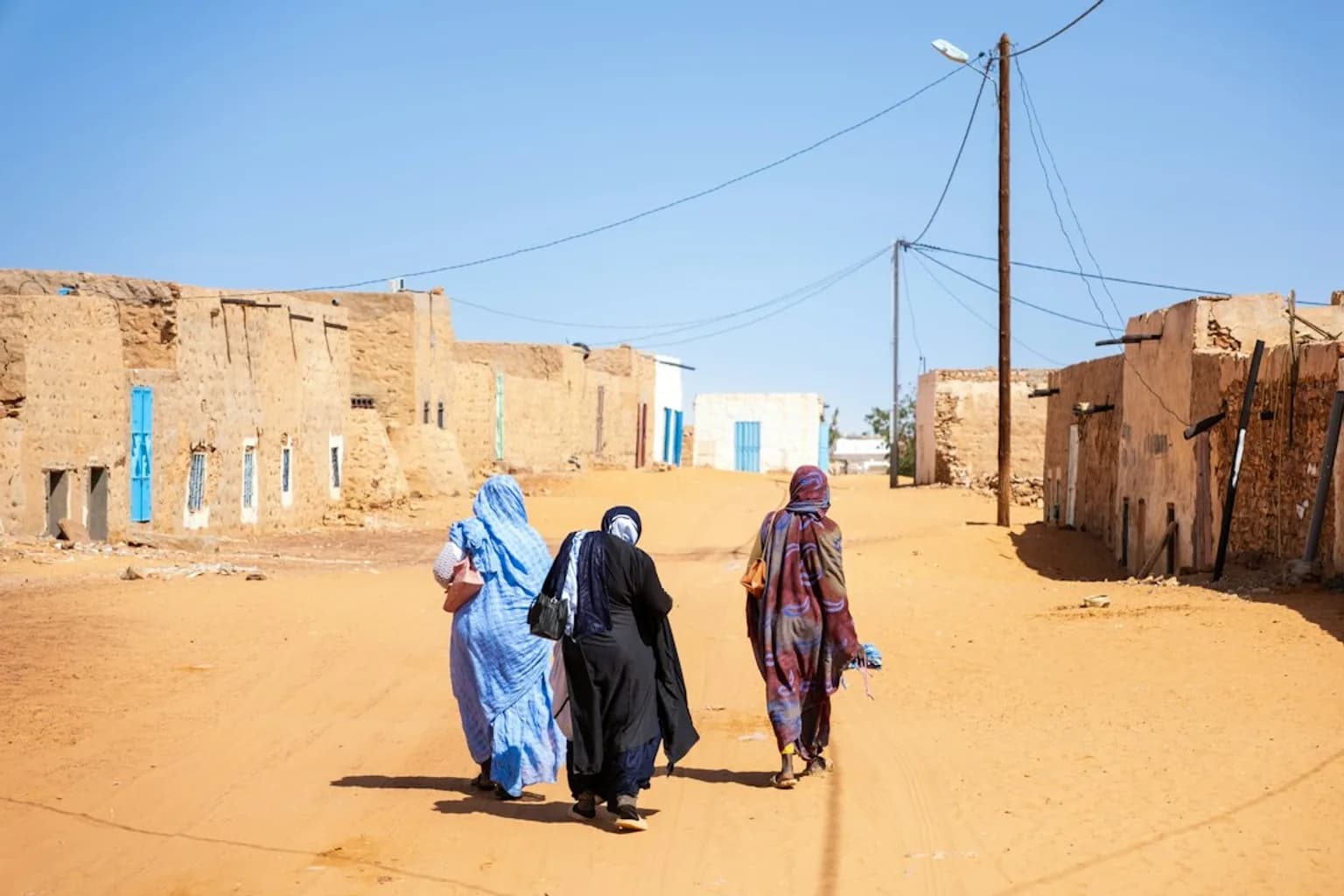
A lack of clean water or electricity can compound hunger and missed schooling for the 1.2 billion people living in multidimensional poverty, the United Nations Development Programme said.
The UNDP said its global poverty index had increased for the first time since it was created in 2010. Its 2026 annual report counted 51.5 million more people in ‘acute’ poverty than in the previous year.
The report was produced by the United Nations Development Programme, working with the Oxford Poverty and Human Development Initiative at the University of Oxford.
Its Multidimensional Poverty Index, or MPI, assesses living conditions through ten indicators across health, education and standard of living. A person may earn more than the official income poverty line and still be counted as multidimensionally poor if they lack schooling, sanitation or medical treatment.
Children account for more than half of people in acute poverty. About one child in three lives in multidimensional poverty, compared with one adult in seven.
The majority of the world’s poorest people live in sub-Saharan Africa and South Asia, including the Indian subcontinent. Sub-Saharan Africa has the largest number of children living in these conditions, at 355 million.
The report cited population growth as a major factor in the increase.
The reversal follows substantial progress in some places. In the past 15 years, 33 nations have halved the share of their populations living in poverty under the index’s definition. China and Vietnam were identified as Asian countries that had made especially rapid progress in reducing poverty.





Comments (0)