
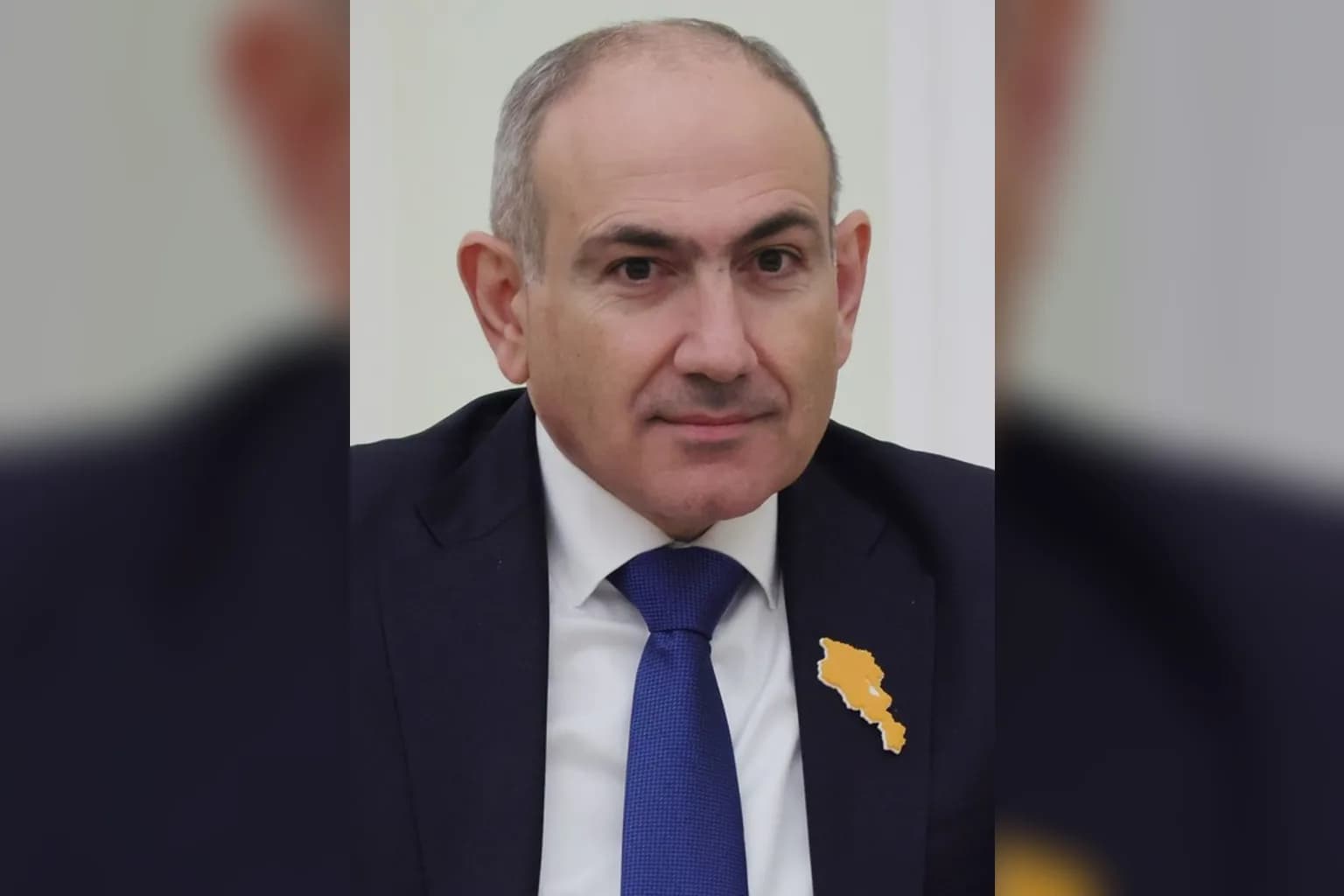
When Nikol Pashinyan spoke to BOON TV in an interview published on Saturday evening, Armenia’s prime minister left Russia firmly in the running to build the country’s next nuclear power plant. “We have never said that we rule out building the nuclear power plant with the Russian Federation”, he said.
The decision will shape the future of a sector in which Armenia already relies on Russian-built infrastructure. Pashinyan said the government would choose a partner on price, quality and construction time.
Armenia and the United States signed a Section 123 civil nuclear cooperation agreement in February, during US Vice President JD Vance’s visit to Armenia.
Armenian officials said earlier this year that they were reviewing proposals from about a dozen companies. The country has considered working with the United States, France, China and South Korea.
Russia presented its own case on 29 September 2026, when Rosatom chief executive Alexei Likhachev met Pashinyan to discuss new nuclear generating capacity. Rosatom proposed a large- or medium-capacity plant with one or two units, and said it could offer technologies ranging from large to small-capacity power units.
Likhachev also informed Armenian counterparts that the first stage of the Armenian NPP modernisation project had been completed.
Russia’s role is already embedded in Armenia’s existing nuclear system. Metsamor has two power units with first-generation VVER-440 reactors, commissioned in 1976 and 1980. Both reactors were shut down after the 1988 earthquake, before the second unit restarted in 1995.
The operating reactor has capacity of about 400 megawatts and produces up to 30% of Armenia’s electricity.
Armenia signed a $65 million modernisation agreement with Rosatom in 2023 to keep the Soviet-designed reactor operating until 2036. The reactor is now scheduled to remain in service until 2036.
Pashinyan said the coming choice should be treated as a practical decision rather than an ideological one. “We do not ideologize or politicize this issue”, he said.
Yet he also set out a limit on how far any partnership should go. “In any case, we should not have disproportionate dependence on any country”, Pashinyan said.
Armenia has set the end of 2027 as its deadline for selecting the technology for the new nuclear unit.
Alongside the reactor discussions, Pashinyan said Armenia would continue mutually beneficial cooperation within the Eurasian Economic Union while seeking to remove restrictions and administrative barriers affecting the common market.
Foreign Minister Ararat Mirzoyan has separately discussed programmes to foster economic connectivity in the region with the US Deputy Secretary of State.
The eventual reactor decision will therefore test Armenia’s effort to keep several partners in play while a large share of its electricity continues to come from an ageing plant maintained through an agreement with Rosatom.




Comments (0)