
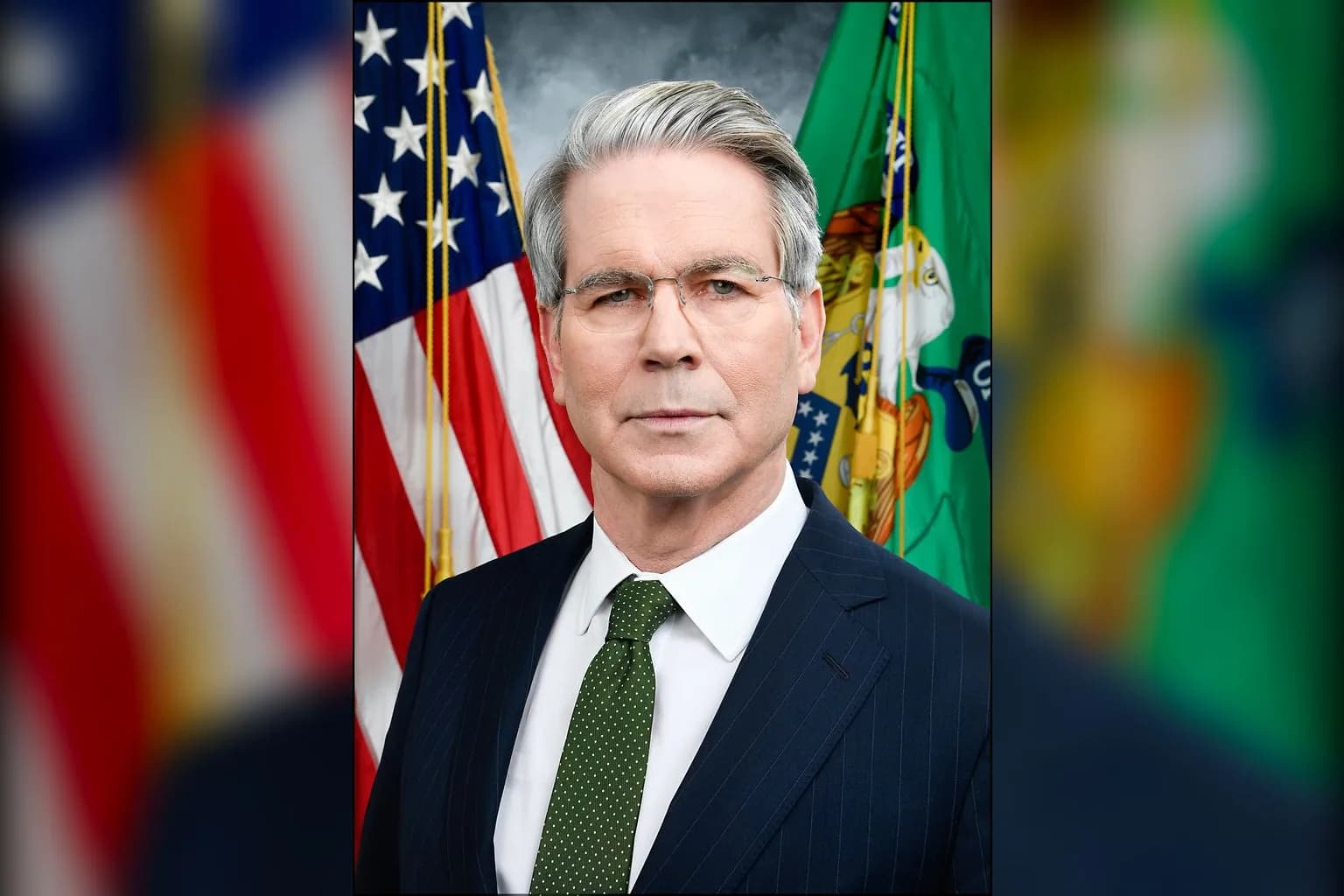
US Treasury Secretary Scott Bessent met Chinese Vice Premier He Lifeng at World Bank headquarters in Washington on Wednesday, seeking to resolve what Bessent called “unfinished business” before US President Donald Trump and Chinese President Xi Jinping meet at the White House on Thursday.
The meeting was the second between Bessent and He in a week. On Sunday, they met at JPMorgan Chase's Manhattan headquarters with US Trade Representative Jamieson Greer. He oversees China's economy, making the discussions a central part of preparations for the presidential summit between the leaders of the two largest economies.
Bessent did not answer questions on whether the countries would renew their trade truce before it expires on November 10. The leaders are expected to discuss the expiring agreement, as well as talks around critical minerals. Whether they will extend the truce or seek a broader agreement remains unclear.
“We want strategic stability but it has to be based in reciprocity and fairness,” Bessent said. He described the Sunday discussions as “successful”.
The officials agreed to put into operation a process first agreed in May, known as the “Board of Trade”. It is intended to allow each side to identify non-strategic goods that could be considered for tariff reductions.
Sunday's talks included possible cuts to mutual tariffs on certain non-strategic products. They also covered Chinese purchases of Boeing aircraft and agricultural goods. Greer said Chinese exports that could be considered for lower tariffs included “consumer goods, low-tech items”. He said US exports could include energy, agricultural goods and medical devices.
China has pledges to buy around $17 billion a year of US agricultural goods and to buy more than 200 Boeing aircraft. The brief did not specify whether Wednesday's meeting produced further commitments on either category.
The two sides also agreed to create a communications “hotline” to notify each other of artificial intelligence safety incidents. Details of the system's timetable and scope were not disclosed.
Greer said on Bloomberg TV on Monday that his “expectation is we'll continue talking and I think both sides want it” when asked about an extension of the trade truce. His comments indicated support for continued negotiations, while leaving the decision on an extension to the leaders.
China's top trade negotiator, Li, said the talks were not bad. Bessent and Greer said “most importantly, what we're doing is we're helping President Trump and President Xi continue their relationship”.
The agreements give the two governments a process for examining tariff reductions and a channel for artificial intelligence safety notifications ahead of Thursday's summit. They do not establish which goods will receive tariff cuts, whether the Board of Trade will lead to concrete reductions, or what will happen to the trade truce after November 10.

Comments (0)