
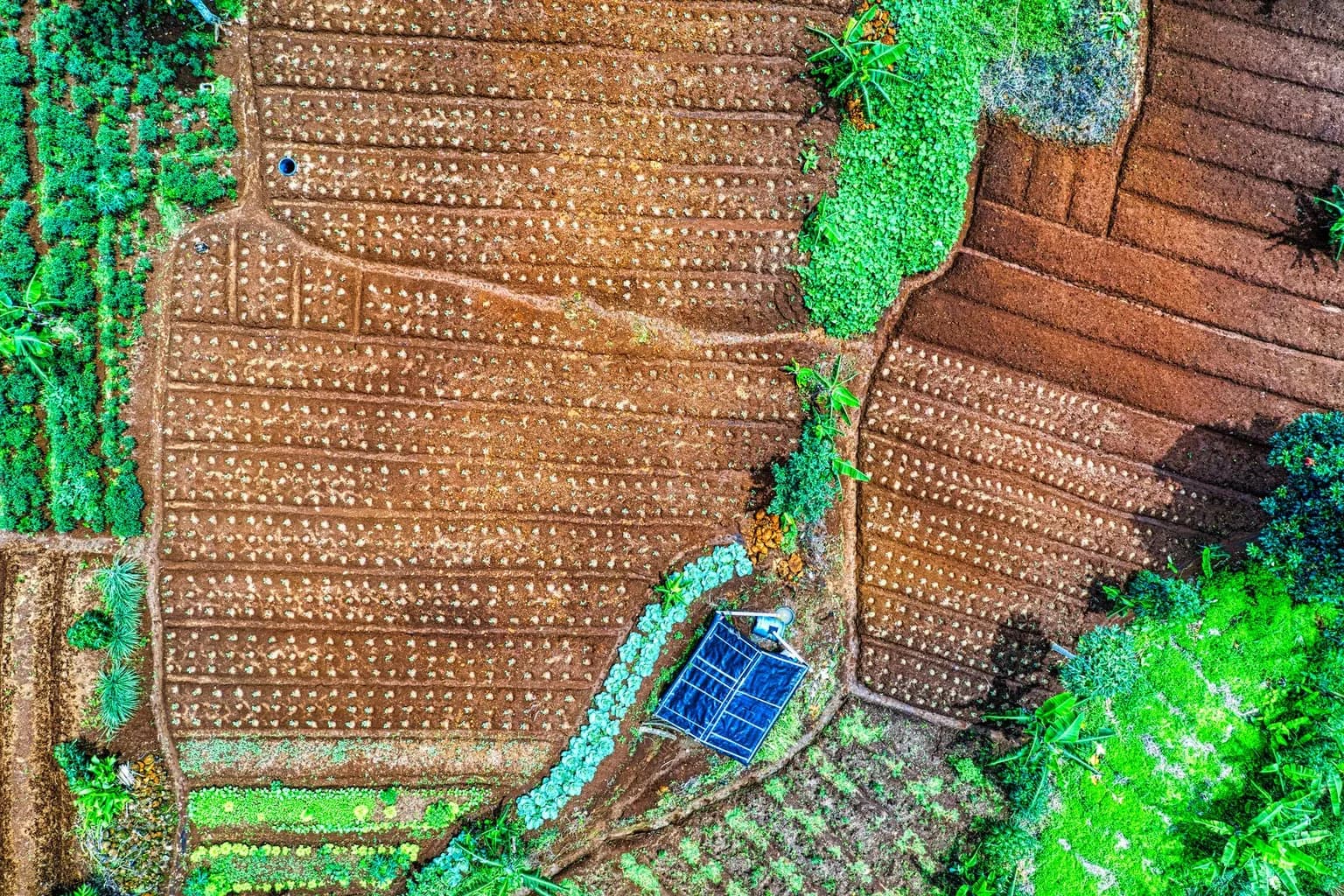
In Dore Bafeno, a village in Ethiopia’s Sidama region, farmers who had used diesel generators to irrigate their land switched to solar power. Solar panels are becoming a common sight there.
That local change reflects a wider shift across emerging economies, from Southeast Asia to Sub-Saharan Africa, where investment is moving towards renewable electricity rather than fossil fuels. The choice offers a different route from the one taken by the US and Europe, which industrialised during the 19th and 20th centuries with coal ovens, gas heating, combustion-engine cars, and coal and gas power plants.
Cost is central to the change. Solar power is now cheaper to produce than fossil electricity. Solar and wind farms can also be built quickly and with much lower upfront costs than coal or gas plants, which take years to construct and require millions in investments.
The fall in solar costs has been steep. From 2010 to 2022, the median global cost decline for utility-scale solar photovoltaic power was about 88%. Over the same period, the global weighted-average cost of utility-scale solar photovoltaic power decreased by about 85%. In 2023, solar photovoltaic module prices averaged about $0.15 per watt globally.
Many middle- and lower-income countries have less energy infrastructure tied to fossil fuels, giving them a stronger position for a rapid rollout of renewable electricity. That matters where governments are weighing the cost and speed of new power systems against the long life of coal and gas infrastructure.
Renewables accounted for 86% of new power generation capacity added worldwide in 2023. Global clean energy investment reached $1.7 trillion that year. Renewable energy investments in developing countries totalled $152 billion in 2022.
China added 219 GW of renewable power capacity in 2023. India added 16.9 GW of renewable energy capacity in the same year, while Brazil added 6.0 GW.
India’s renewable electricity generation, including large hydro, was about 175 TWh in 2023. Mexico generated 29% of its electricity from renewables that year.
Elsewhere, the Democratic Republic of Congo had a 95.9% renewable energy share in 2023. Liberia’s renewable energy share was 94.3% in 2024. Over the past decade, Nauru recorded the largest increase in renewable energy share, up 5,240.0%.
The investment and capacity figures show how quickly the economics of electricity have changed. They leave open whether developing economies can sustain renewable investment, build grids and storage at scale, and meet future demand without becoming locked into fossil-fuel dependence.




Comments (0)