
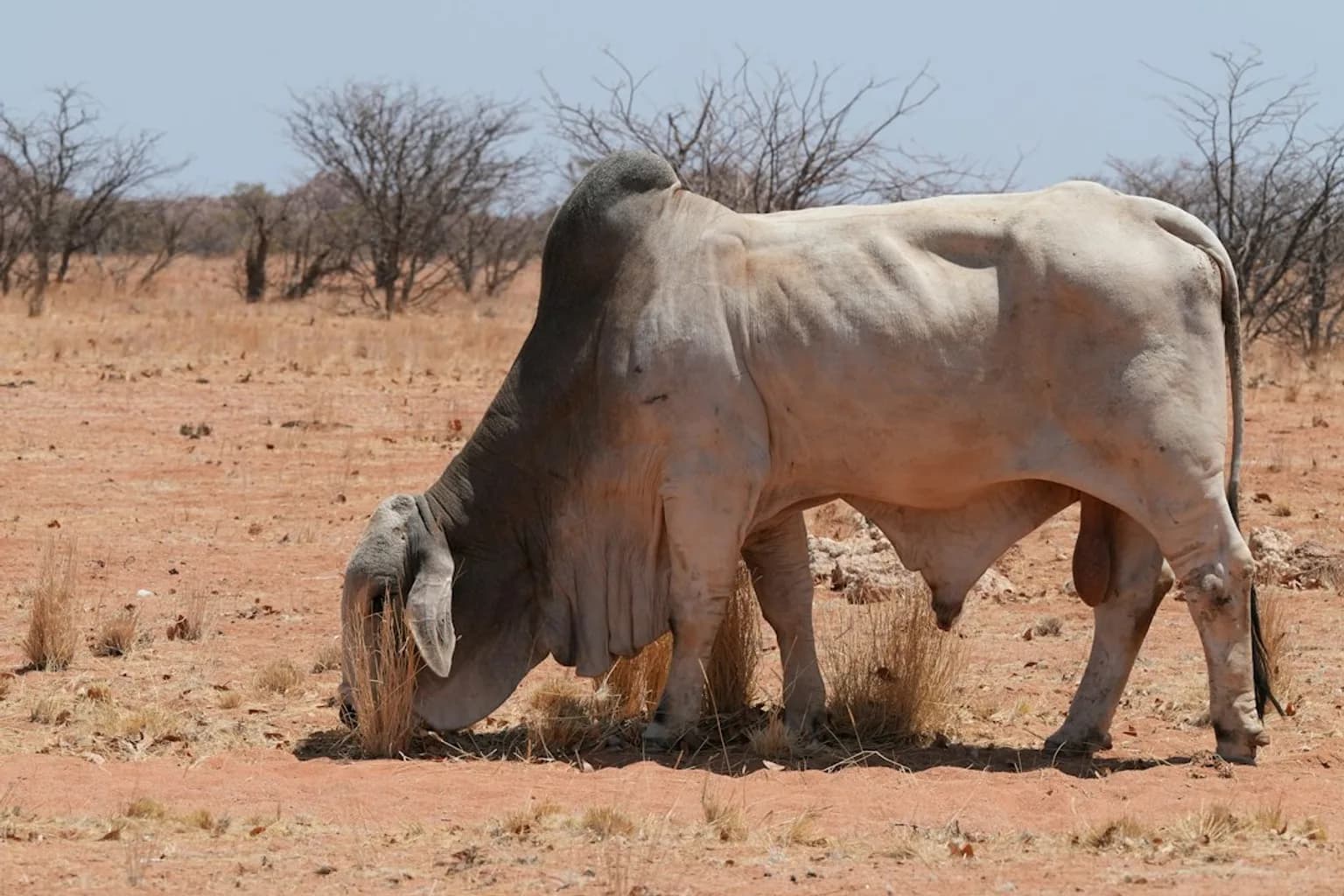
The European Union has suspended all meat imports from Namibia after the country confirmed foot-and-mouth disease on a commercial farm in the Karasburg State Veterinary District in the Kharas Region on Sept. 23.
The decision closes Namibia’s largest beef market at a stroke. More than 80 percent of the country’s beef exports go to the EU, with around 10 million kilos sold in Europe over a year.
Ana Beatriz Martins, the EU Ambassador to Namibia, issued a statement on Monday about the suspension. It follows the loss of the country’s foot-and-mouth disease-free status, which had allowed its beef into premium European export markets.
The World Organization for Animal Health suspended that status effective Sept. 22. Namibia confirmed the outbreak a day later, in its primary commercial livestock zone, where it had maintained the disease-free status for 60 years.
Namibian authorities then introduced controls on the movement of cloven-hoofed animals and suspended exports of affected animals and products. The outbreak also prompted a nationwide ban on livestock movement and meat exports.
The EU restrictions cover fresh meat from cattle, sheep and goats, along with relevant farmed and wild ungulates. They also apply to certain processed products, including biltong and jerky.
There is a limited route for meat already in the system. Fresh ungulate meat certified by Namibian authorities before Sept. 23 can enter the EU during a 90-day period from that date, subject to decisions by border control posts in EU member states. Processed meat that has received the most stringent risk-reducing treatment required by EU law remains eligible for entry.
Foot-and-mouth disease causes fever and blisters near animals’ hooves and in their mouths. The symptoms can prevent animals from eating and can sometimes prove fatal. The disease has recently affected several countries in southern Africa, including Botswana, South Africa and Zimbabwe.
The EU said it would keep assessing the epidemiological situation with Namibia and could review its measures as animal-health conditions permit. Namibia’s preferential trade access under the EU-Southern African Development Community Economic Partnership Agreement remains in place.
Europe has its own history with the disease, which wreaked havoc there 25 years ago. For Namibian exporters, however, the immediate question is how long access to their main overseas market will remain shut.




Comments (0)