
Patrick Pouyanné, the chief executive of TotalEnergies, put caps on petrol and diesel prices in March, charging €1.99 ($2.30) for petrol and €2.25 ($2.60) for diesel. The measure cost the company around €200 million ($233 million).
He has warned that TotalEnergies would remove those caps if the French government imposed a windfall tax on profits linked to the Iran war.
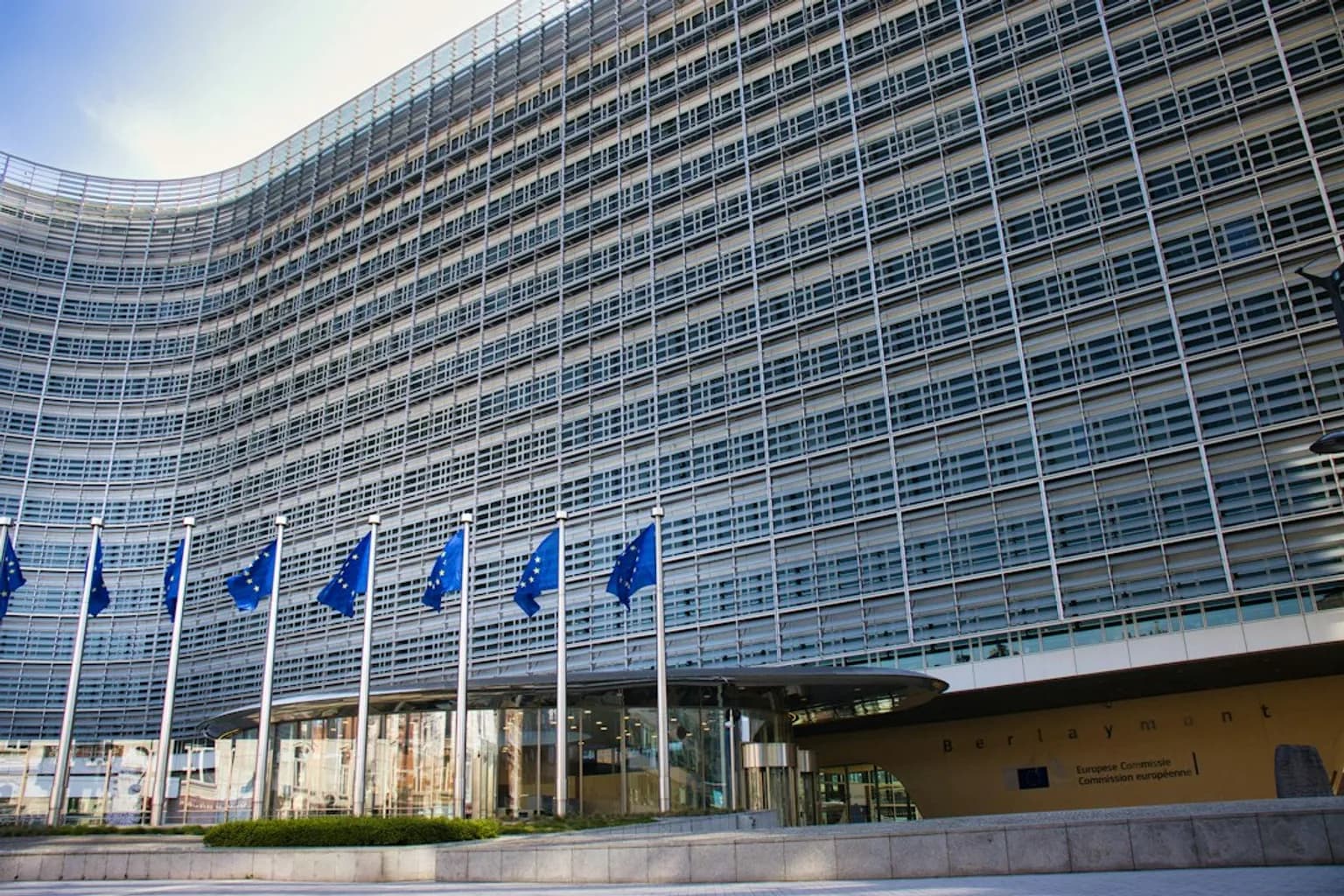
The threat goes to the heart of a dispute now before the European Commission, which is considering a windfall tax on energy groups after geopolitical tensions lifted energy prices.
Wars in Ukraine and Iran pushed up gas and oil prices, increasing energy companies' profits.
Brussels responded in 2022 with a minimum levy of 33% on fossil fuel companies' surplus profits. Surplus profits were defined as those 20% above annual averages from 2018. Portugal also imposed a tax of 33% on oil companies benefiting from the Iran war.
Germany, Spain, Portugal, Italy, Poland and Austria have since put the case for an EU-wide windfall tax to Ireland, which holds the rotating six-month presidency of the Council of the EU.
The next meeting of EU finance ministers is due in Dublin on 18–19 September.
Sara Aagesen Muñoz, Spain's minister for the ecological transition, has written to the EU climate commissioner Wopke Hoekstra recommending a permanent windfall tax on energy companies.
The industry case is that the tax would take money away from companies' own responses to high prices and from future spending. Meg O'Neill, the chief executive of BP, called windfall taxes a “highly flawed response to the situation”.
The Commission must weigh the money a levy could raise to protect consumers against the risk that it limits investment in the energy sector.
The sums already spent elsewhere in the energy system show the scale of the competing demands. Fossil fuel subsidies totalled 97 billion euros in 2024, down 20% from the previous year and 42% from their 2022 peak of 168 billion euros. They still exceeded renewable energy subsidies of 76 billion euros.
Eight member states indicated that they intended to phase out fossil fuel subsidies completely in 2024, the same number as in the previous year.
Spain has used a similar political instrument beyond energy. In July 2022, its Socialist prime minister, Pedro Sánchez, announced a one-off “solidarity” tax on the country's biggest banks.



Comments (0)