
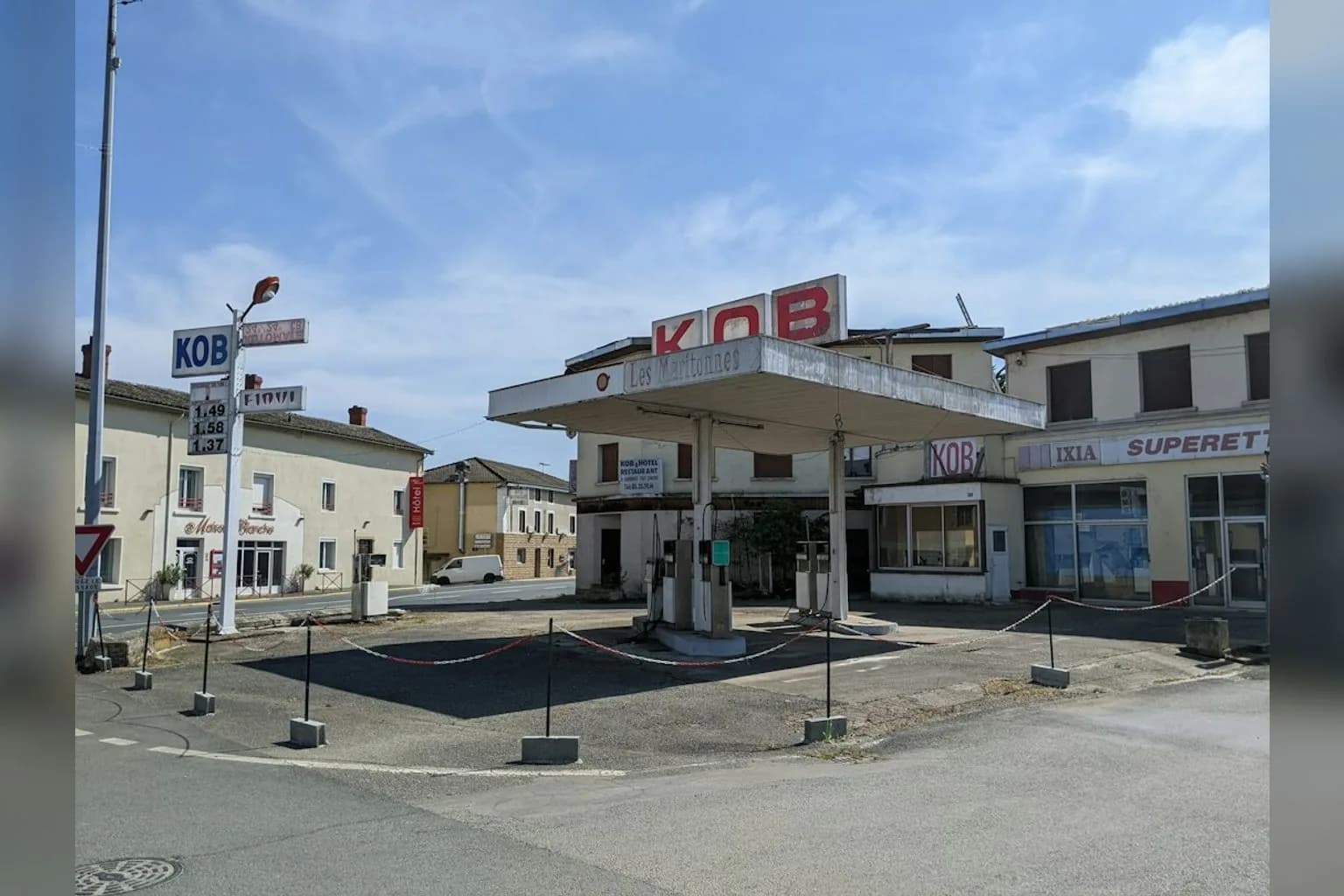
France has expanded and extended targeted fuel relief measures as diesel prices reached a fresh record of €2.41 a litre on Sunday, following a global supply shock linked to the conflict in the Middle East and the closure of the Strait of Hormuz.
The measures announced on Tuesday will cost €450 million, taking total French spending on fuel relief so far to €1.4 billion. They form part of a wider European response in which governments are using subsidies and tax cuts to limit the effect of higher fuel costs on household budgets.
Prices have risen across French forecourts. SP95-E10, the country’s most popular type of unleaded petrol, moved above €2.17 a litre. SP98 exceeded €2.28 a litre on average.
Since March, the French government has responded to higher energy costs through targeted fuel subsidies rather than generalised tax cuts. The approach gives support to selected consumers while limiting the scale of a broader reduction in fuel taxation, though France’s fuel taxes remain higher than those in many other European nations.
The immediate political stakes are high. The 2018 gilets jaunes protests were fuelled by anger over the cost of living crisis and, in particular, the introduction of a new carbon tax on fuel. That experience has left governments cautious about policies that add directly to motorists’ costs during periods of rising prices.
The relief also comes as France faces tight fiscal conditions. Its budget deficit is projected to reach 5.4% of GDP this year, while public debt nears 120% of GDP. Further support for fuel users adds to spending at a time when the government is already managing those pressures.
France’s exposure to the current disruption is shaped by its vehicle fleet and fuel trade. It has one of Europe’s largest fleets of diesel vehicles, and its diesel market depends much more heavily on imports than its petrol market. A disruption to supplies from the Middle East can therefore have a direct effect on costs for a large group of motorists.
The present measures reduce prices paid by households, but they do not change that import dependence or the size of the diesel fleet. The government has set out longer-term investment through the €100 billion France 2030 plan for nuclear power and renewable energy, although the brief provides no timetable or targets for energy-security reforms beyond the current relief measures.
France has used similar intervention during earlier energy-price shocks. The average French household’s gas bill rose by 40% in 2022. France then launched a €10 billion aid package to soften the impact of rising gas prices, while its government price shield for gas and electricity reduced bills for consumers during 2022 and 2023.
At EU level, governments also introduced emergency price caps on Russian gas imports. The bloc set a mandatory price cap of €180/MWh on Russian pipeline gas. France imported 0.9 bcf/d of natural gas on average in 2023, including liquefied natural gas and pipeline supplies.
The current fuel package places France alongside other European governments seeking to contain the household effects of the supply shock. Its scale, and the pressure on the public finances, underline the trade-off between immediate relief for consumers and the longer-term challenge of securing energy supplies.




Comments (0)