
G20 trade ministers opened two days of talks in Milwaukee on Wednesday as the United States presses ahead with tariffs that have strained relations with several of the countries represented at the meeting.
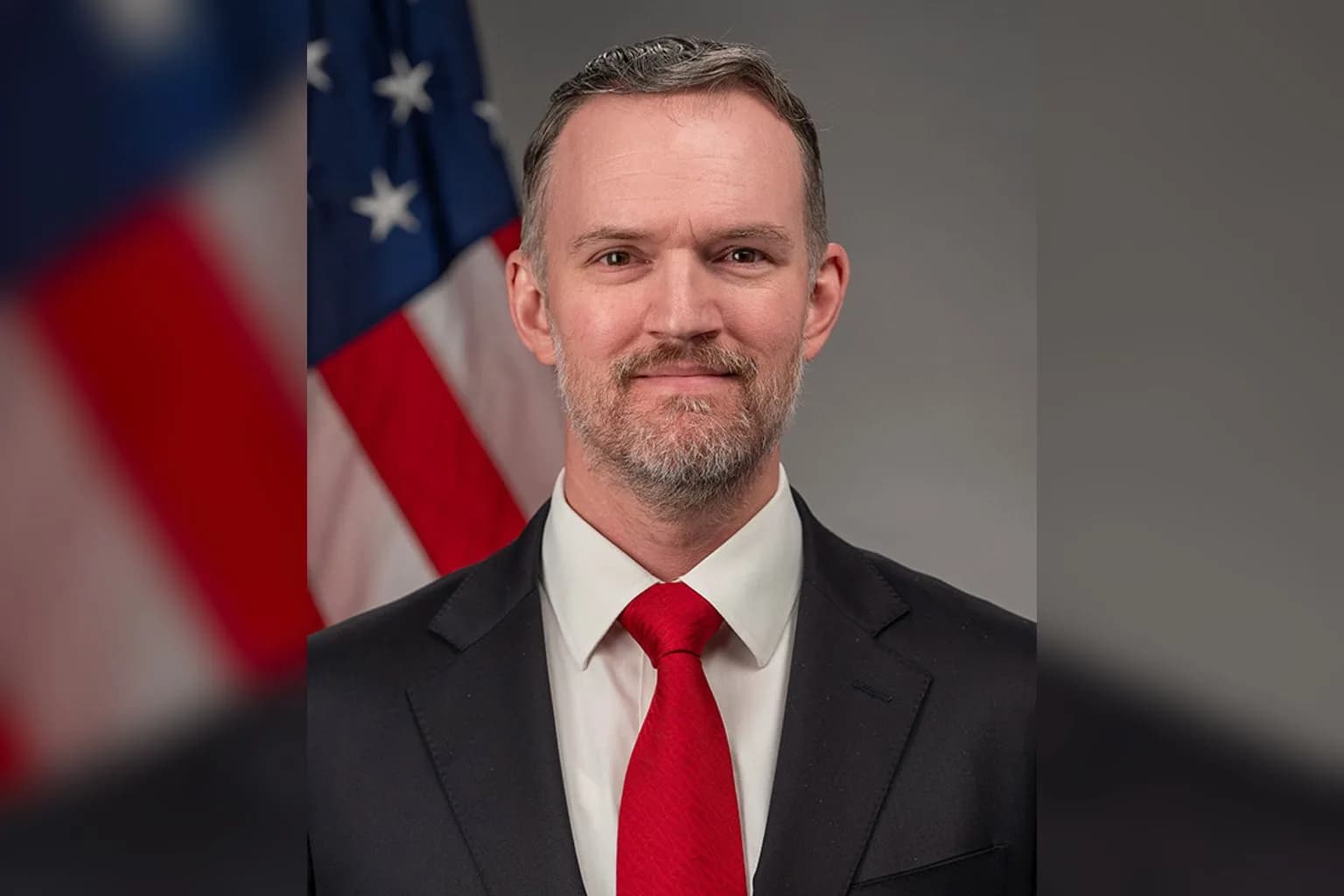
US Trade Representative Jamieson Greer is hosting counterparts from G20 countries while Washington holds the group’s rotating presidency. Officials from China, India, Russia, Japan, Germany and France are among those attending.
The gathering brings together a group comprising 19 nations, the EU and the African Union. Its members arrive as the Trump administration pursues trade measures on several fronts, including action linked to forced labour and investigations into industrial capacity.
Washington has imposed new tariffs on 60 economies after alleging insufficient action against forced labour. The administration is also investigating 16 partners over what it describes as excess industrial capacity.
Trump has imposed a barrage of tariffs on trading partners since last year, with separate measures directed at sectors including steel and autos. The Supreme Court struck down Trump’s country-specific tariffs in February, yet the administration has continued to pursue tariff action tied to forced labour and industrial overcapacity concerns.
The US approach puts Washington in the position of convening a multilateral forum while advancing unilateral measures that affect several participants. The two days of discussions are expected to be deadlocked as the tariffs weigh on relations between the United States and its trading partners.
Greer said the administration “is not anti-trade”. He said countries faced similar challenges from global overcapacity and “non-market policies”.
China rejects concerns about its exports, which critics view as being driven by excess industrial capacity. The dispute over that issue is likely to sit alongside objections to the forced labour-related tariffs during the Milwaukee meeting.
Wendy Cutler, a former US trade official now at the Asia Society Policy Institute, said G20 partners “will also be under pressure to voice their concerns with tariffs”. Her assessment points to a central difficulty for the hosts: countries attending a meeting led by Washington also have grievances over US policy.
Josh Lipsky of the Atlantic Council said, “Don't expect any breakthroughs in Milwaukee”. He cited Trump’s preference for bilateral negotiations, an approach that limits the prospect of broad agreement among the G20 members.
It remains unclear whether the meeting will produce a joint statement or consensus language on tariffs and industrial capacity. The talks also leave open questions over the timetable for the forced labour investigations, the sectors or countries that could face further US measures, and whether G20 members will coordinate a challenge to Washington’s approach.
The Milwaukee meeting therefore tests the ability of the G20 to manage trade disputes while its US host pursues tariffs against economies represented at the table. For now, the divisions over forced labour, industrial capacity and the tariff campaign leave little expectation of a common outcome.




Comments (0)