
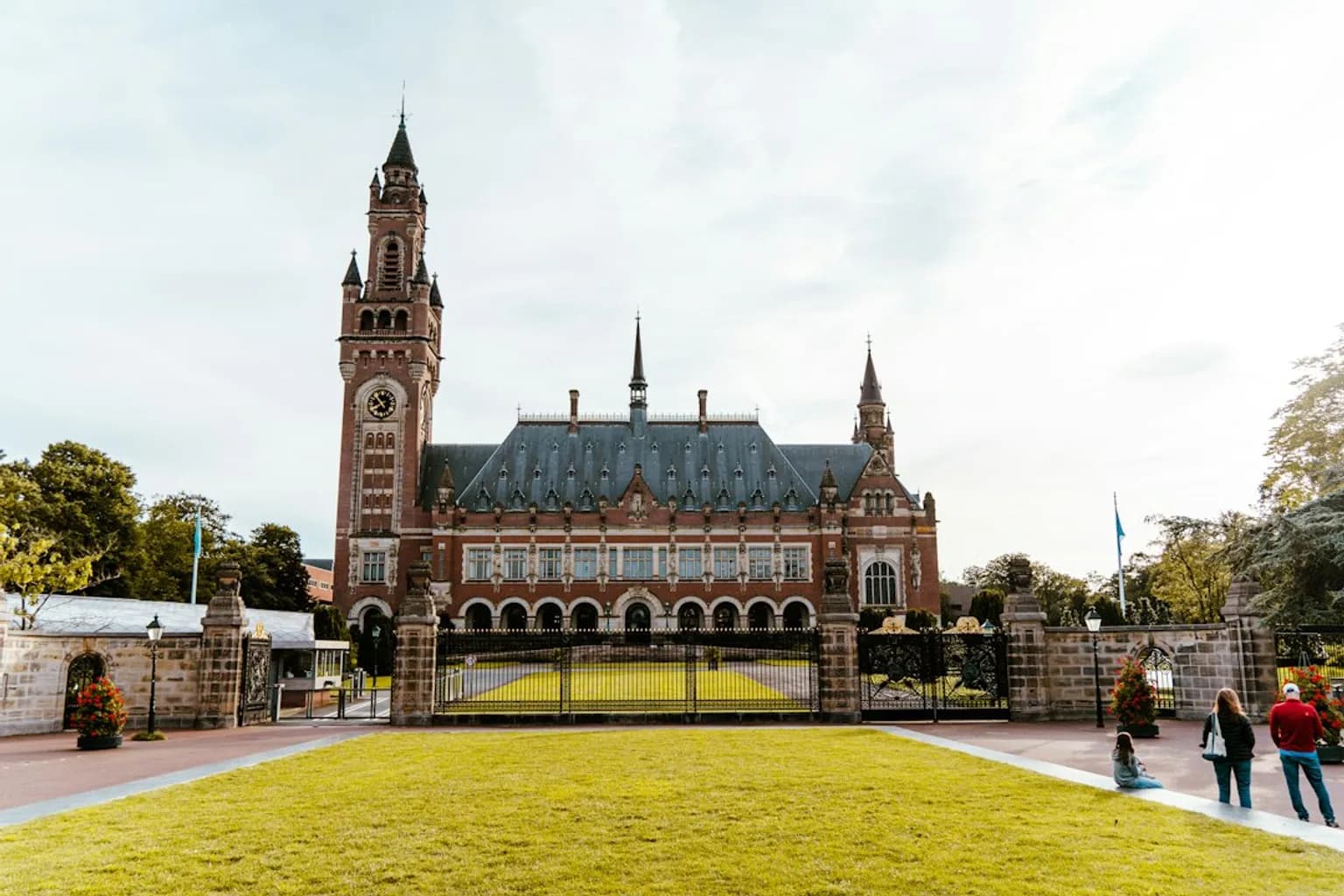
The International Criminal Court has ended its contract with the French health and life insurer Axa with immediate effect, after both sides failed to find a way to shield the arrangement from anticipated US sanctions.
The Financial Times first reported the change on Thursday, as President Donald Trump steps up his attacks on the Hague-based court. An ICC spokesperson told Reuters news agency: 'Axa and the Court have decided by mutual agreement to terminate the contractual relationship.'
Axa and the ICC had spent months in discussions over the risk that US measures could force the Paris-based insurer to stop doing business with the court, the Financial Times reported. They could not reach an agreement without relying on a blocking statute, a legal mechanism intended to protect European companies from the effects of sanctions imposed by third countries.
That mechanism was not used. The Financial Times said the ICC would move to a new health insurance provider, though it did not identify the company.
The decision comes amid a broader dispute between Washington and the ICC over the court's jurisdiction. The Trump administration says the court exceeds its authority when it claims jurisdiction over citizens of countries that have not ratified its founding treaty, the Rome Statute. Those countries include the US and Israel.
Late last month, the Wall Street Journal reported that the White House was preparing sanctions against the ICC following the court's call to arrest Israeli Prime Minister Benjamin Netanyahu. The administration has already imposed sanctions on more than a dozen ICC judges and prosecutors, including the ICC president in August.
The court said potential sanctions could prevent it from carrying out transactions involving the US dollar, according to the Wall Street Journal. The prospect of such restrictions has created a practical problem for companies dealing with the institution, as the end of the Axa contract shows.
At last week's United Nations General Assembly, Trump called the ICC 'evil' and 'a rogue institution'. He urged countries to leave the court. Naoero, a tiny Pacific island nation formerly known as Nauru, is the only country to have followed that call by leaving the ICC.
The ICC is based in The Hague and operates as the world's primary permanent international criminal court. Its break with Axa does not disclose the terms or length of the insurance agreement, nor when the negotiations began. It is also unclear whether other businesses working with the court face comparable pressure or whether the ICC will seek blocking-statute protection in other commercial relationships.




Comments (0)